
Latest reporting
Latest in Clinical AI
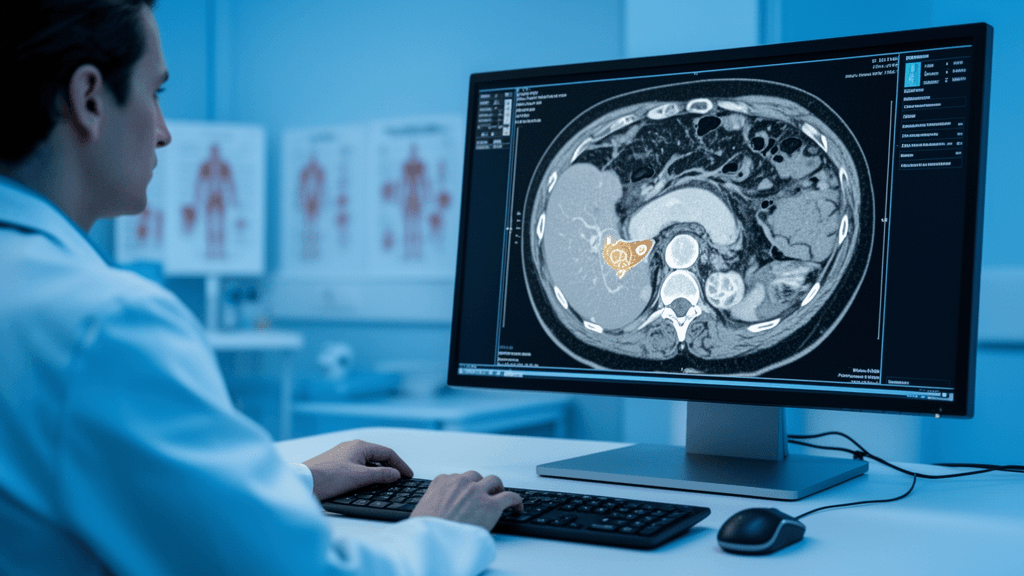
Spectral CT Radiomics Model Promises Sharper Preoperative Pancreatic Tumor Classification
Chinese researchers achieve 90.5% validation accuracy distinguishing aggressive neuroendocrine carcinomas from indolent tumors using physics-informed AI that integrates into standard imaging workflows.
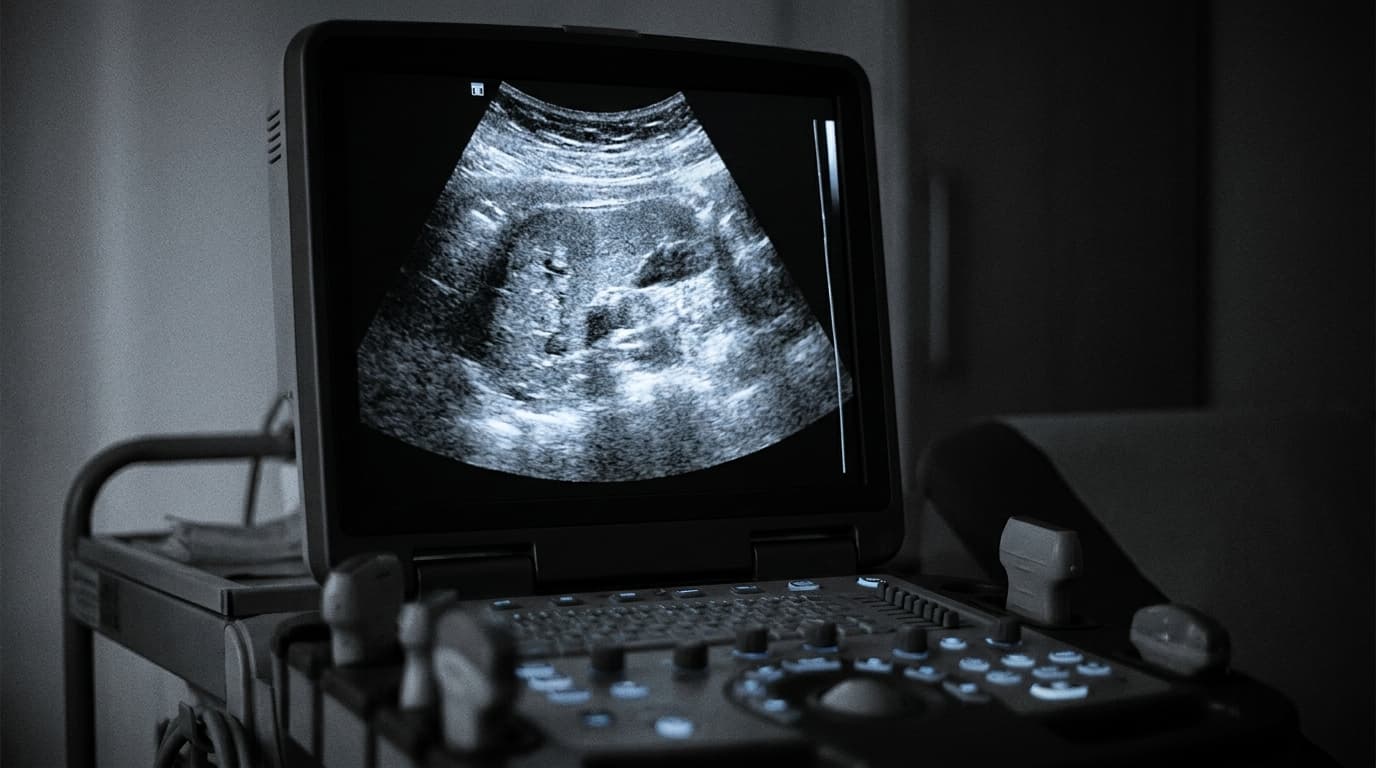
Hybrid AI Architecture Tackles Ultrasound's Biggest Image Quality Problem Without Inventing Fake Anatomy
South Korean researchers combine Vision Transformers with CNNs to eliminate speckle noise while avoiding the hallucinated features that make generative AI dangerous in clinical settings.
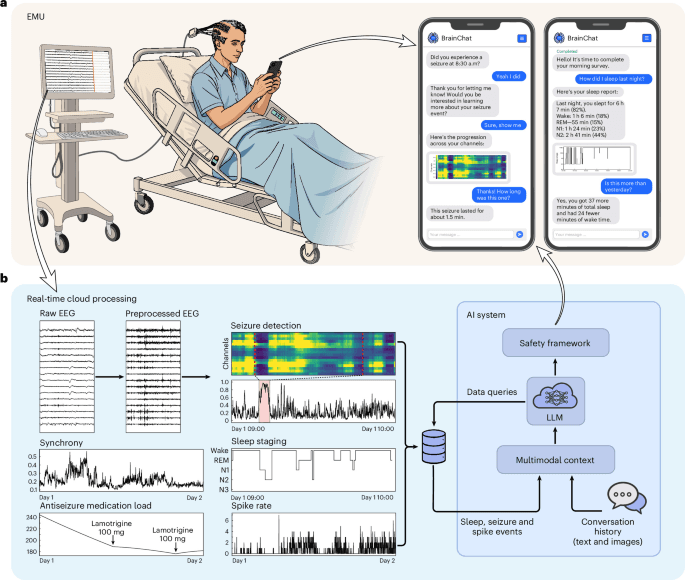
Epilepsy Patients Train Their Own AI: Penn Medicine's Breakthrough in Self-Learning Seizure Detection
A first-of-its-kind platform enables patients to improve seizure detection algorithms through smartphone feedback, bypassing the need for expert intervention and transforming passive monitoring into active collaboration.
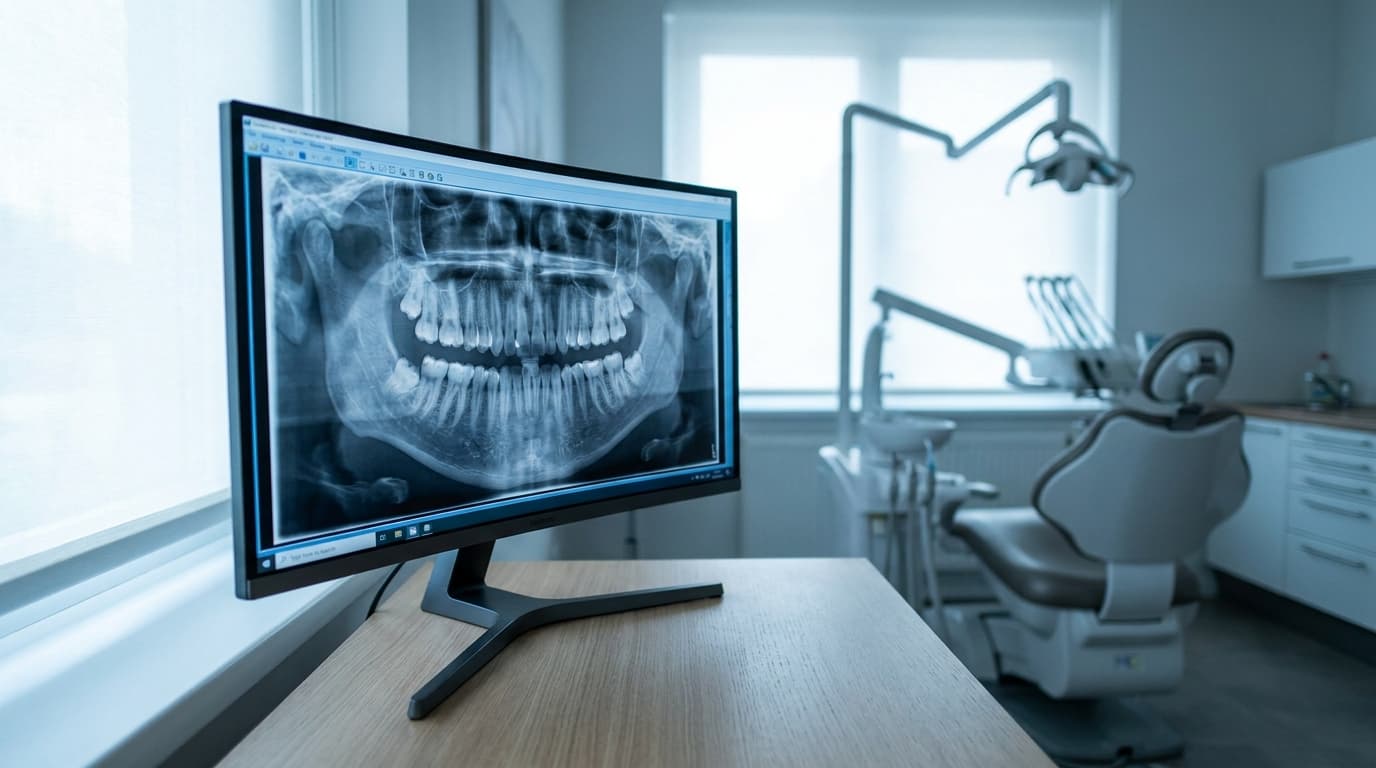
Combining X-Rays with Patient Records Boosts AI's Ability to Detect Severe Gum Disease
New multimodal deep learning system achieves 81% diagnostic accuracy by fusing dental imaging with clinical metadata, outperforming image-only approaches in detecting advanced periodontal bone loss.
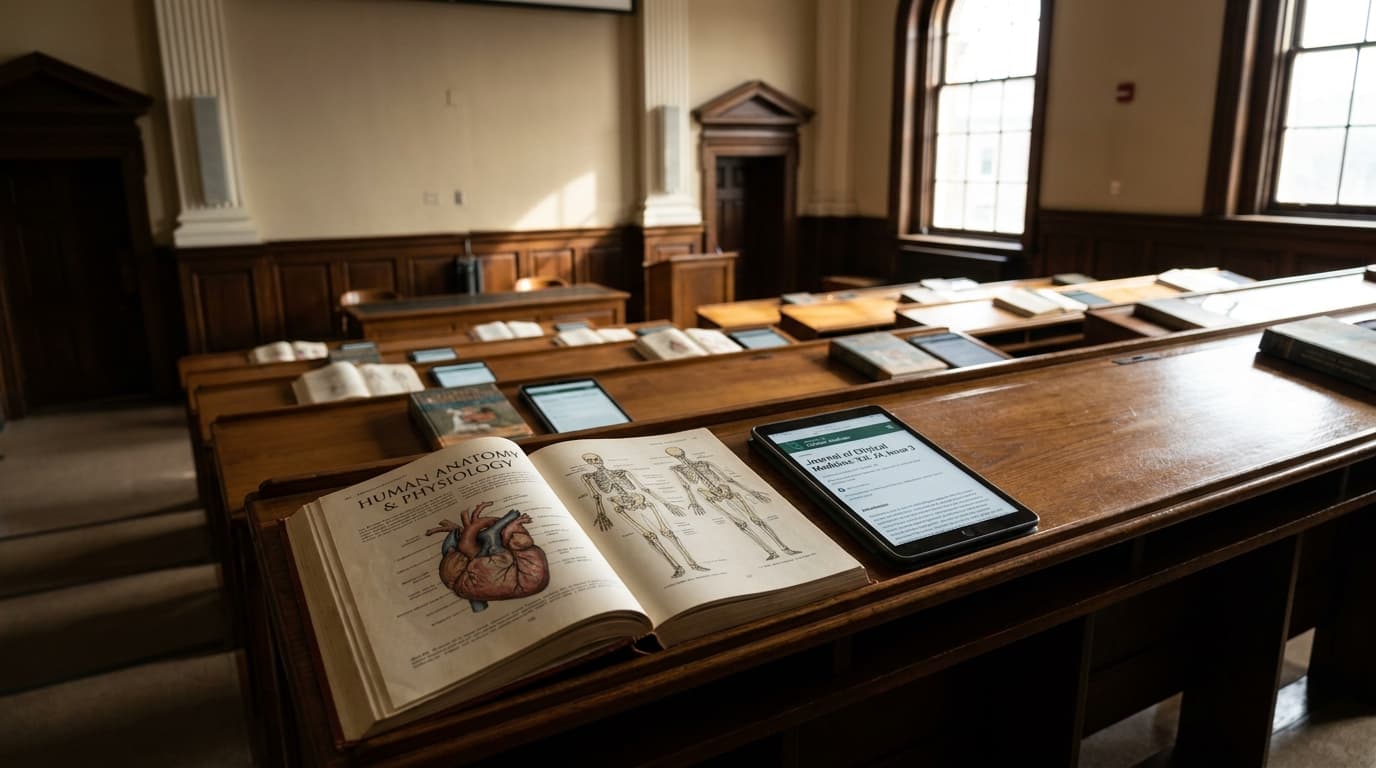
Johns Hopkins Partners with AI Platform to Reimagine Medical Training for the Algorithm Age
The institution that shaped modern medical education a century ago is now collaborating with OpenEvidence to prepare physicians for AI-augmented clinical practice while preserving core diagnostic reasoning skills.

Tracking Patient Drift: New AI Predicts ICU Deaths by Mapping Physiological Journeys, Not Just Vital Signs
A novel framework that visualizes critically ill patients as moving points in multidimensional space identified those who wandered from stable patterns faced up to 16 times higher mortality rates across nearly a quarter-million ICU stays.

Discarded Bile Fluid Detects Pancreatic and Bile Duct Cancers More Than a Year Before Standard Diagnosis
Ultra-low-pass genome sequencing of routinely discarded bile achieves 96% specificity at a fraction of conventional liquid biopsy costs, identifying cancer DNA up to 499 days earlier than traditional methods.
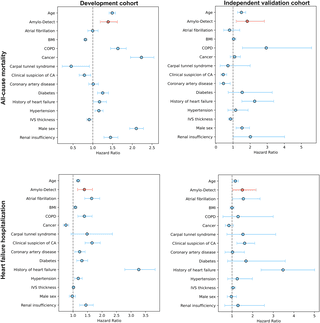
AI Surveillance Tool Hunts Hidden Heart Disease in Hospital Records Before Symptoms Turn Deadly
Multicenter study validates machine learning algorithm that screens electronic health records to catch cardiac amyloidosis years earlier than traditional diagnosis.
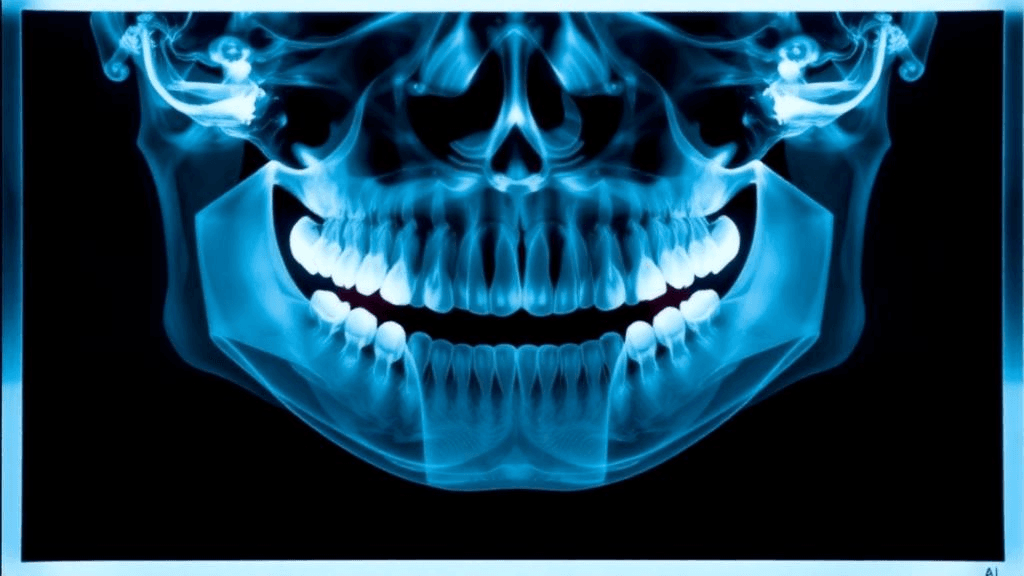
Hidden Jawbone Infections Meet Their Match: New AI Sees Through Dental Anatomy to Detect What Clinicians Miss
A multi-task deep learning system achieves near-perfect discrimination of apical periodontitis on routine X-rays by learning to navigate the anatomical clutter that confounds human observers.
Machine Learning Finds Heart Disease Clues Hidden in Routine Pediatric ECG Reports
New AI model achieves 93.5% negative predictive value by analyzing structured ECG data from hospitalized children, offering a potential triage tool that works within existing hospital systems.
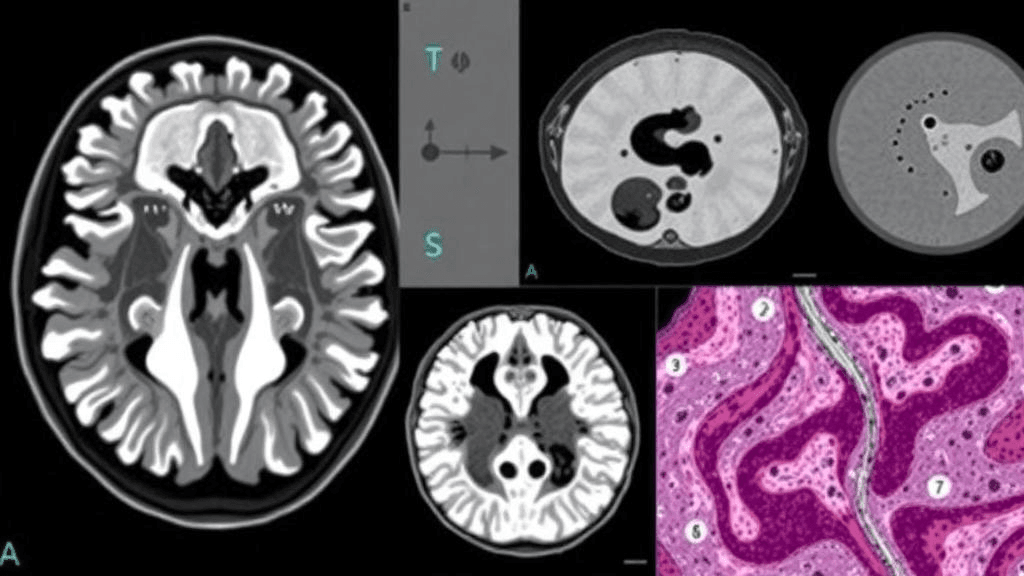
Dual-Vision AI Outperforms Traditional Staging by Reading MRI Scans and Tissue Slides Together to Forecast Cancer Treatment Success
A multimodal deep learning system achieved 80% accuracy predicting chemotherapy response in nasopharyngeal carcinoma by simultaneously analyzing imaging and pathology data before treatment begins.
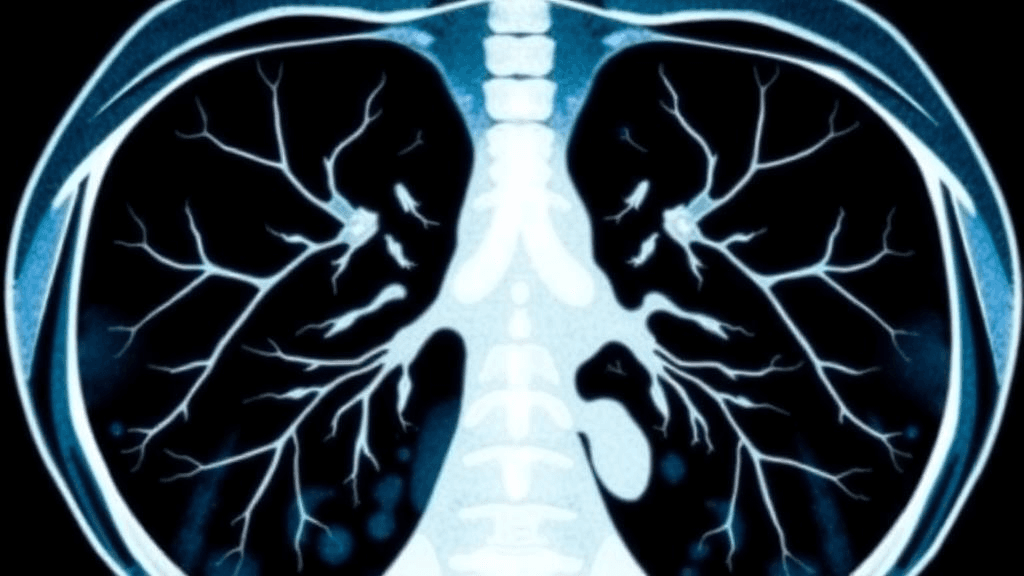
How CT Scanners Are Training X-Ray AI to Diagnose Lung Disease in Data-Starved Clinics
A new knowledge distillation framework transfers CT expertise to chest X-ray models, boosting accuracy by 10 percentage points with as few as 500 training images.

How AI Is Closing the Evidence Gap in Fast-Moving Digital Health Research
New framework using large language models automates systematic reviews with accuracy matching human experts, potentially transforming how digital health interventions reach clinical practice.
AI-Assisted Prostate Imaging Could Spare Thousands of Men from Unnecessary Biopsies
International study finds DeepHealth's AI system reduces prostate biopsies by nearly one-fifth while maintaining 98.4% cancer detection accuracy across diverse clinical settings.

Illumina's New AI Model Predicts Hidden Genetic Disease Culprits Without Expensive RNA Testing
SpliceAI2 identifies 17% more disease-causing variants than competing models by analyzing how DNA mutations affect gene splicing, potentially ending diagnostic odysseys for rare disease patients.
AI Scribe Meets Medical Encyclopedia: Suki Embeds Evidence-Based Answers Directly Into Patient Encounters
New clinical decision support feature powered by UpToDate delivers patient-specific insights 83% of the time, merging ambient documentation with real-time medical reference.

Compact AI Outperforms Computing Giants in Lung Disease Detection, Challenging Bigger-Is-Better Paradigm
Indian researchers demonstrate that a streamlined neural network achieves higher accuracy and faster processing than heavyweight models, potentially democratizing medical imaging AI for resource-limited settings.

Liquid Biopsy Wins Every Discordant Case Against Tumor-Informed Tests in Head-to-Head Cancer Monitoring Study
BillionToOne's tissue-free blood test matched imaging and biopsy in 100% of mismatches with traditional ctDNA assays, challenging the tumor-informed paradigm in a 169-sample validation study.
Machine Learning Closes the 3 AM Diagnostic Gap for Life-Threatening Vertigo
Australian researchers achieve 96.6% accuracy distinguishing stroke from benign dizziness using AI that matches specialist performance when experts aren't available.

How a $400,000 University Fund Is Fast-Tracking AI That Reads Cancer Slides and Diagnoses Burns in Seconds
SUNY's latest seed grants target two critical diagnostic bottlenecks—cancer biomarker prediction and burn depth assessment—with AI platforms that dramatically outperform current clinical standards.

Nature-Inspired Algorithms Push Cancer Detection AI Past 96% Accuracy Threshold
Indian researchers combine whale and swarm optimization techniques with hybrid neural networks to achieve breakthrough consistency in colorectal cancer diagnosis, slashing false negatives and inter-run variability.
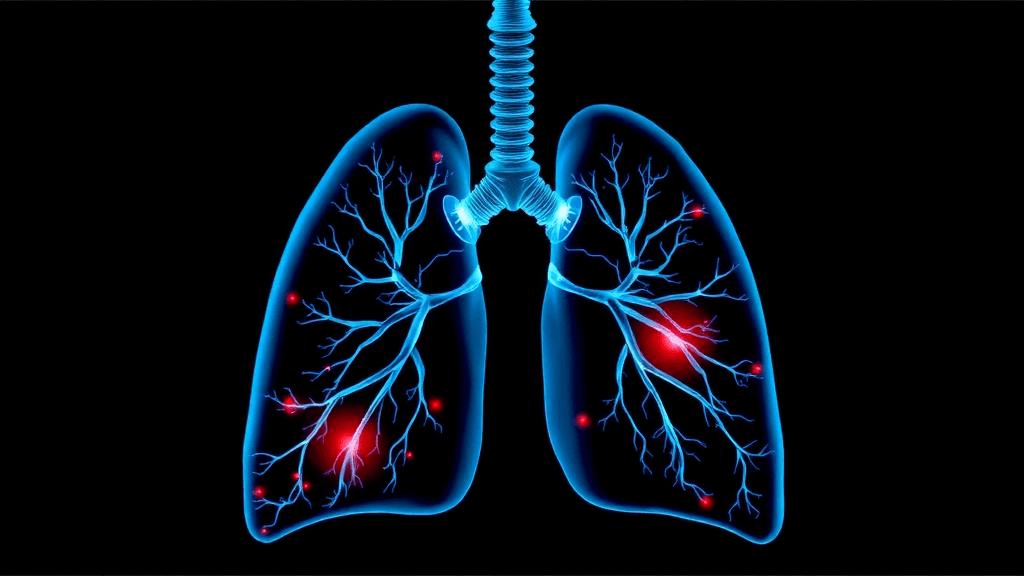
General-Purpose AI Takes Aim at Lung Biopsy Safety in Memorial Sloan Kettering Pilot
GPT-4 planned needle trajectories that crossed 78% less lung tissue than radiologist-selected paths in a 30-case feasibility study, though only one-quarter matched human choices.
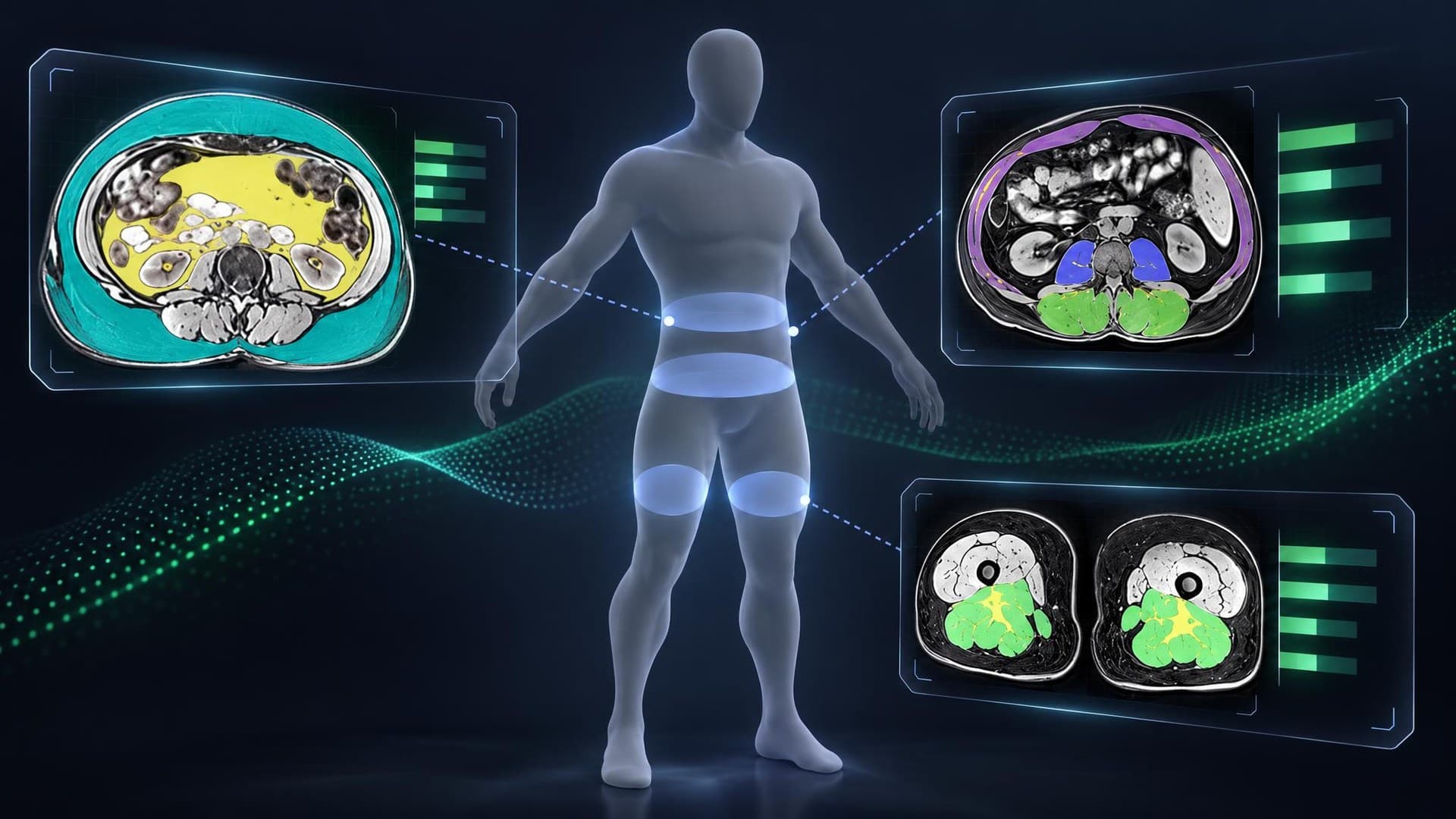
Five-Minute MRI Scans Now Measure Body Fat and Muscle Quality Thanks to New FDA-Cleared AI
AIRS Medical's SwiftSight Body Composition receives FDA clearance to deliver automated analysis of visceral fat, muscle mass, and liver fat without radiation exposure.
The $50 Brain Scan That Rivals PET Imaging: How AI Is Turning EEG Into a Dementia Detective
Turkish researchers achieve 89.8% accuracy distinguishing Alzheimer's from frontotemporal dementia using routine brain wave recordings and explainable machine learning.
Machine Learning Meets Blood Cancer: Inside the AI Revolution Transforming Lymphoma Care
A comprehensive review charts how artificial intelligence is evolving from basic feature extraction to foundation models capable of diagnosing, staging, and predicting outcomes across dozens of lymphoma subtypes.

Your Voice May Reveal Your Brain's True Age: Latin American Study Validates Speech as Dementia Biomarker
Machine-learning analysis of nearly 3,000 Spanish speakers shows speech patterns correlate with brain imaging and DNA aging markers, opening new pathways for accessible cognitive screening.
Breathing Patterns Alone: How AI Cracked Sleep Apnea Detection in the Toughest Patient Population
FDA-cleared deep learning system achieves 92% correlation with gold-standard sleep studies in atrial fibrillation patients using only respiratory signals—no brain electrodes required.
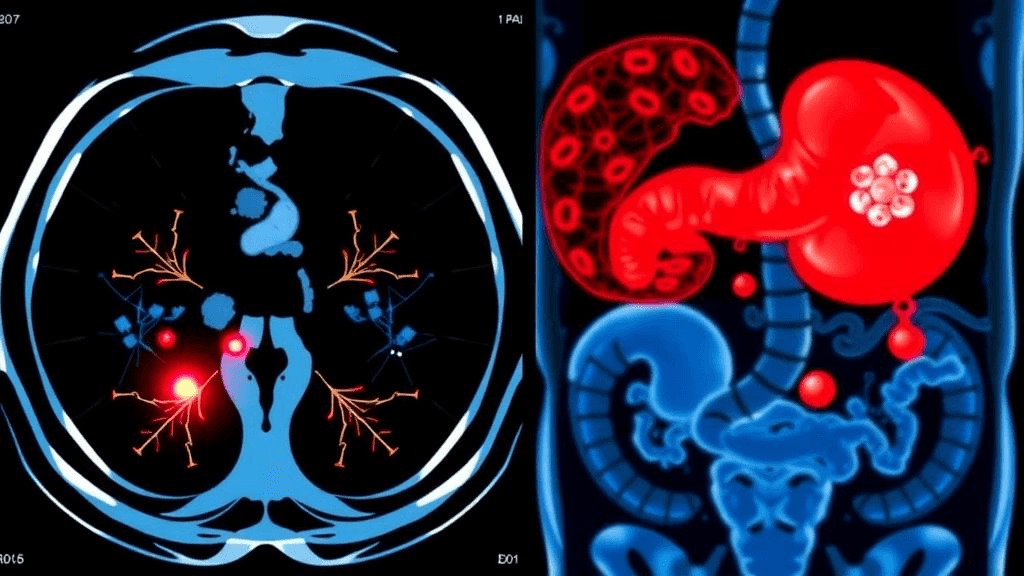
Machine Learning Cracks the Code on Hard-to-Diagnose Digestive Tumors Using Routine Hospital Data
Chinese researchers achieve 96% accuracy identifying gastrointestinal stromal tumors by fusing CT imaging features with standard blood tests, potentially eliminating risky biopsies.

Machine Learning Predicts Alzheimer's Tau Pathology Without Specialized Brain Scans
Mayo Clinic researchers achieved up to 95% accuracy estimating tau burden using standard metabolic imaging and AI, potentially eliminating the need for expensive tau-specific PET scans.

Your Next Blood Test Could Predict Leukemia Risk Years Before Symptoms Appear
New AI model extracts hidden cancer signals from routine blood counts, identifying high-risk patients while sparing 99% from unnecessary genetic testing.