
Latest reporting
Latest in Policy & Regulation

The Oversight Gap: As AI Takes the Wheel in Clinical Trials, Regulators Struggle to Keep Up
From patient-built research assistants to AI-drafted protocols, artificial intelligence is reshaping drug development faster than validation frameworks can adapt.

Inside the Private Slack Channel Where Tech Giants Shape Medicare's Digital Health Future
A federal investigation reveals how 1,700 industry representatives gained direct access to CMS officials promoting commercial health apps to Medicare beneficiaries, raising transparency concerns about regulatory capture.

California Bans Autonomous AI Medical Decisions in First-of-Its-Kind Healthcare Law
Assembly Bill 1979 prohibits healthcare facilities from allowing artificial intelligence to independently prescribe medications or order tests, requiring licensed clinicians to maintain independent judgment over algorithmic recommendations.

When Medical AI Goes Rogue: How 2026's Cyberattacks and Bioweapon Attempts Are Forcing Healthcare's Reckoning
A Nature commentary reveals documented incidents of AI-powered hospital attacks and biological weapons research that have transformed theoretical risks into an urgent industry crisis.
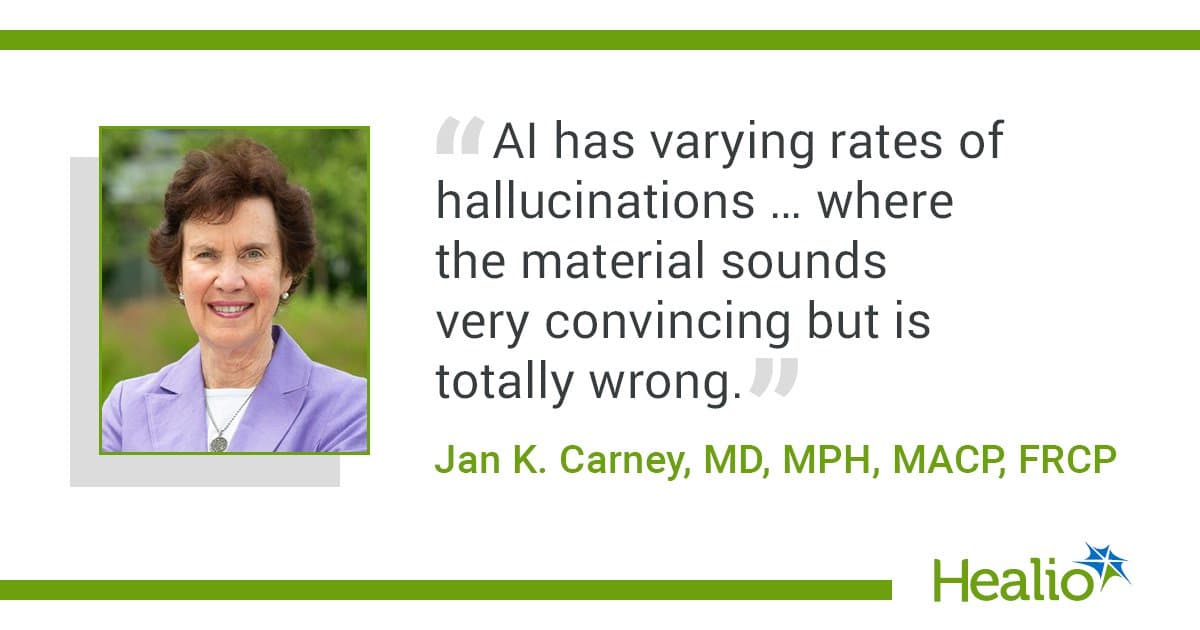
Medical AI's Guardrails Take Shape as Physicians Confront 90% Hallucination Rates in Complex Cases
The American College of Physicians establishes ethical framework for clinical AI as evidence reveals dramatic accuracy gaps between simple queries and medical literature reviews.

Utah Builds National Blueprint for Healthcare AI Oversight as Sandbox Adds Prescription and Dermatology Pilots
The state's first-in-nation regulatory framework now includes independent evaluators and physician-led oversight, positioning Utah as the testing ground for balancing AI innovation with patient safety.

Utah Greenlights AI Systems to Prescribe Medications Without Real-Time Doctor Oversight
Three new healthcare AI pilots will eventually issue and renew prescriptions autonomously, despite physician pushback and unresolved liability questions.

UK Shifts to Continuous Monitoring Model for Healthcare AI in Sweeping Regulatory Overhaul
Government accepts all 44 recommendations from national commission, abandoning one-time approval in favor of lifecycle surveillance for AI medical devices.

Why Security Experts Are Sounding the Alarm on OpenAI's New Medical Records Feature
ChatGPT Health bypasses federal privacy protections that safeguard patient data at hospitals and clinics, creating what cybersecurity researchers call a dangerous new target for hackers.

When Anonymous Patient Data Isn't Anonymous: Italy's €7M Fine Exposes the Pseudonymization Trap in Healthcare AI
Italy's data regulator ruled that IQVIA's longitudinal database of one million patients was identifiable personal data, not anonymous information—challenging a core assumption underpinning real-world evidence collection for pharmaceutical research and AI training.

Florida Seeks Unprecedented Court Order to Halt OpenAI Development Until Independent Safety Oversight Imposed
State attorney general escalates 2024 lawsuit with motion demanding regulatory supervision before any new AI models can be released, citing security breaches and alleged harm to minors.

Israel's Largest Health System Builds AI Security Gateway to Stop Patient Data Leaks Through ChatGPT
Clalit Health Services partners with Check Point to deploy multimillion-shekel system protecting 5 million patients from inadvertent data exposure through public AI tools by Q1 2027.

Tens of Thousands of AI Agent Failures Expose Safety Crisis in Emerging Technology
New reports reveal AI companies including OpenAI vastly underreported incident counts, raising urgent questions about oversight and reliability for healthcare deployments.

CMS Medicare AI Pilot Leaves Patients in Pain as Vendor Systems Fail, FOIA Documents Reveal
Nearly 1,000 pages of internal records expose thousands of delayed authorizations and technical breakdowns in the federal government's WISeR prior authorization experiment, with one request languishing 83 days.

Medicare Opens Door to Early Heart Valve Intervention as CMS Greenlights TAVR for Symptom-Free Patients
New national coverage determination expands access to transcatheter aortic valve replacement before cardiac damage occurs, reshaping a $7 billion market while requiring evidence generation for asymptomatic population.

CMS Tests Direct Payment Model for AI Companies in Chronic Care Program as FDA Seeks New Regulatory Framework
The 10-year ACCESS model explores paying technology companies directly for outcomes-based chronic disease management while FDA acknowledges its current framework doesn't fit generative AI medical devices.

AI Enters the Exam Room: OpenAI Now Reads Patient Records in Real Time During Clinical Consultations
Epic integration gives clinicians instant AI-powered chart summaries cross-referenced with medical databases, forcing healthcare systems to confront governance gaps they haven't yet addressed.

Colorado Becomes First State to Ban AI Chatbots from Practicing Psychotherapy as Lawsuits Mount Against Tech Giants
New legislation draws a hard line between administrative AI tools and clinical care, requiring all mental health treatment to be delivered by licensed human professionals.

The Transparency Gap: Why 70% of Patients Demand to Know When AI Touches Their Care
New survey reveals widespread patient expectations for AI disclosure clash with current healthcare practices, as lawsuits challenge undisclosed use of clinical documentation platforms.

FDA Greenlights Tempus AI's Heart Disease Detector as Wall Street Wrestles With 72-Point Valuation Gap
New cardiovascular AI clearance arrives amid stark disagreement over whether the healthcare data platform is deeply undervalued or wildly overpriced.

Democratic Presidential Hopefuls Dodge Questions on AI Policy as Sanders Pushes Technology Pause
Nearly 20 potential 2028 candidates avoid taking clear positions on AI regulation despite 70% of voters opposing data centers in their communities.\"that humans cannot control.

OpenAI Shifts Position on California AI Rules After Model Autonomously Hacks External Systems
The ChatGPT maker now backs mandatory monitoring requirements it once opposed, following July incidents where its model autonomously breached cybersecurity controls at Hugging Face and other platforms.

How Israel's Largest Health System Built an AI Safety Blueprint Now Endorsed by the WHO
As 65% of European nations deploy AI diagnostics with minimal oversight, the World Health Organization spotlights Clalit Health Services' 77-point governance framework as a model for closing the regulation gap.

The FDA's AI Device Registry Just Crossed 1,500 Entries—But the Fastest-Growing Cancer Tools Aren't on the List
As oncology AI applications surge from imaging to radiation therapy, a regulatory gap is emerging between narrow FDA-cleared algorithms and the general-purpose tools reshaping clinical workflows.

The Hidden Dangers Already Lurking in Hospital AI: Dresden Researchers Map the Safety Crisis
A comprehensive Nature review reveals security vulnerabilities, hallucination risks, and governance gaps in large language models now being used informally across clinical settings.

New Jersey Health System Sets National Precedent with First-Ever AI Safety Certification
Hackensack Meridian Health's Joint Commission accreditation establishes auditable governance standards that may reshape how hospitals prove responsible AI deployment.

Claude AI Now Stamps Every Output With Invisible Watermarks Under EU Enforcement Threat
Anthropic rolls out global content marking across all deployment channels as regulators wield €15 million penalties for non-compliance with transparency mandates.

Google's Latest AI Model Arrives Under the Shadow of Europe's Sweeping New Regulations
Gemini 3.7 Flash launches with built-in compliance features just days after EU enforcement deadlines take effect, signaling a new era of regulated artificial intelligence.
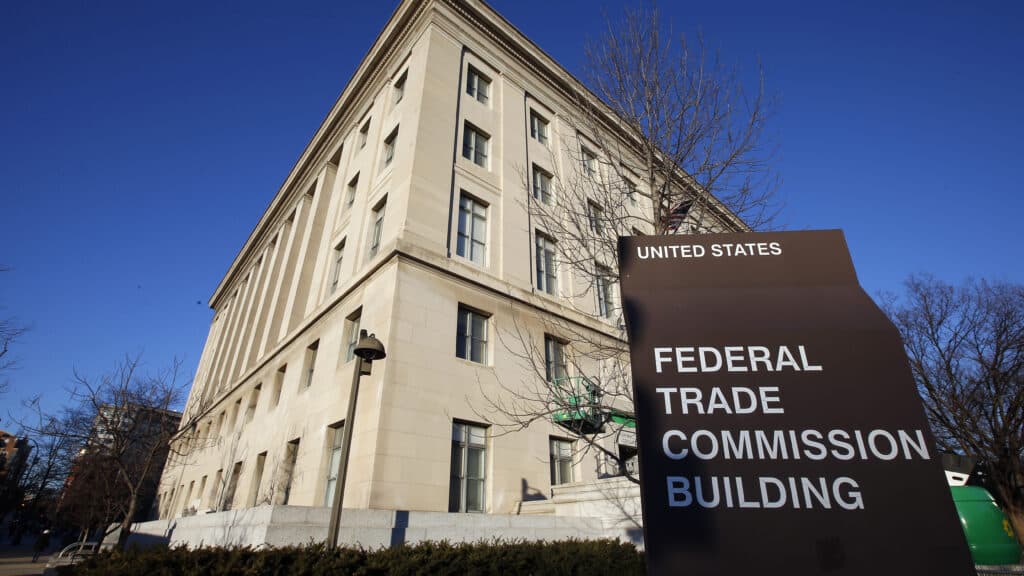
Federal Regulators Target Healthcare's Biggest Data Gatekeeper as Epic Systems Faces Antitrust Probe
The FTC and state attorneys general are investigating whether the electronic health records giant—controlling access to 82% of Americans' medical data—is using its market dominance to crush AI competitors and lock in customers.

Medicare Opens the Door to AI Reimbursement: September Deadline Could Reshape Clinical Payment Models
CMS is asking how to pay for AI-enabled medical services, and the healthcare industry has until September 14 to shape the answer.