
Latest reporting
Latest in Drug Discovery & Research

AI Models Achieve 85% Accuracy Predicting Clinical Trial Outcomes Before First Patient Enrolled
IQVIA's new predictive platform, powered by NVIDIA technology, promises to help drugmakers identify protocol flaws and optimize trial design through virtual simulation.
AI Pathology Firm Lunit Embeds Technology in Pharma Drug Trials Through Lab Services Deal
Korean medical AI company partners with Discovery Life Sciences to integrate its SCOPE platform into biomarker analysis workflows supporting over 350 active clinical trial programs.
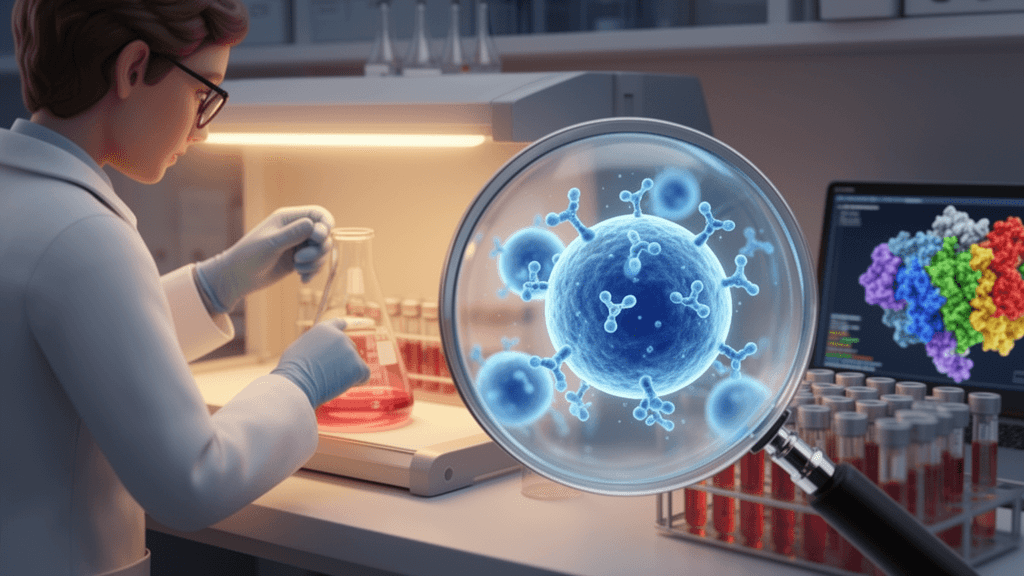
AI's 94% Failure Rate: Why Most Computer-Designed Cancer Proteins Never Make It Past the Cell Door
A landmark competition testing 12,000 AI-designed protein binders in living human T cells reveals a hidden translation crisis undermining computational drug discovery workflows.
Virtual Patients Are Predicting Real Drug Failures—And Pharma Is Taking Notice
AI simulations correctly forecast five of six major clinical trial outcomes, raising questions about the future of human testing in drug development.
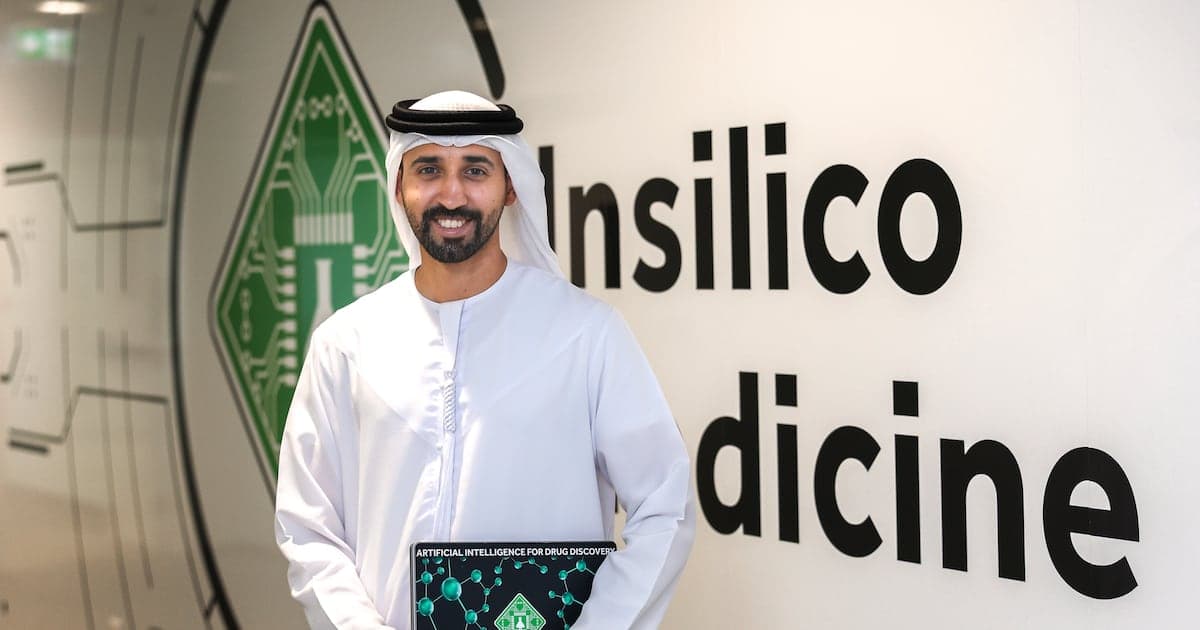
AI Slashes Drug Discovery Time by 75% as UAE Lab Unveils Third Cancer Candidate This Year
Insilico Medicine's artificial intelligence platforms have identified novel blood cancer molecules in 12-18 months, a process that traditionally takes up to four years, marking the company's third major therapeutic announcement in six months.
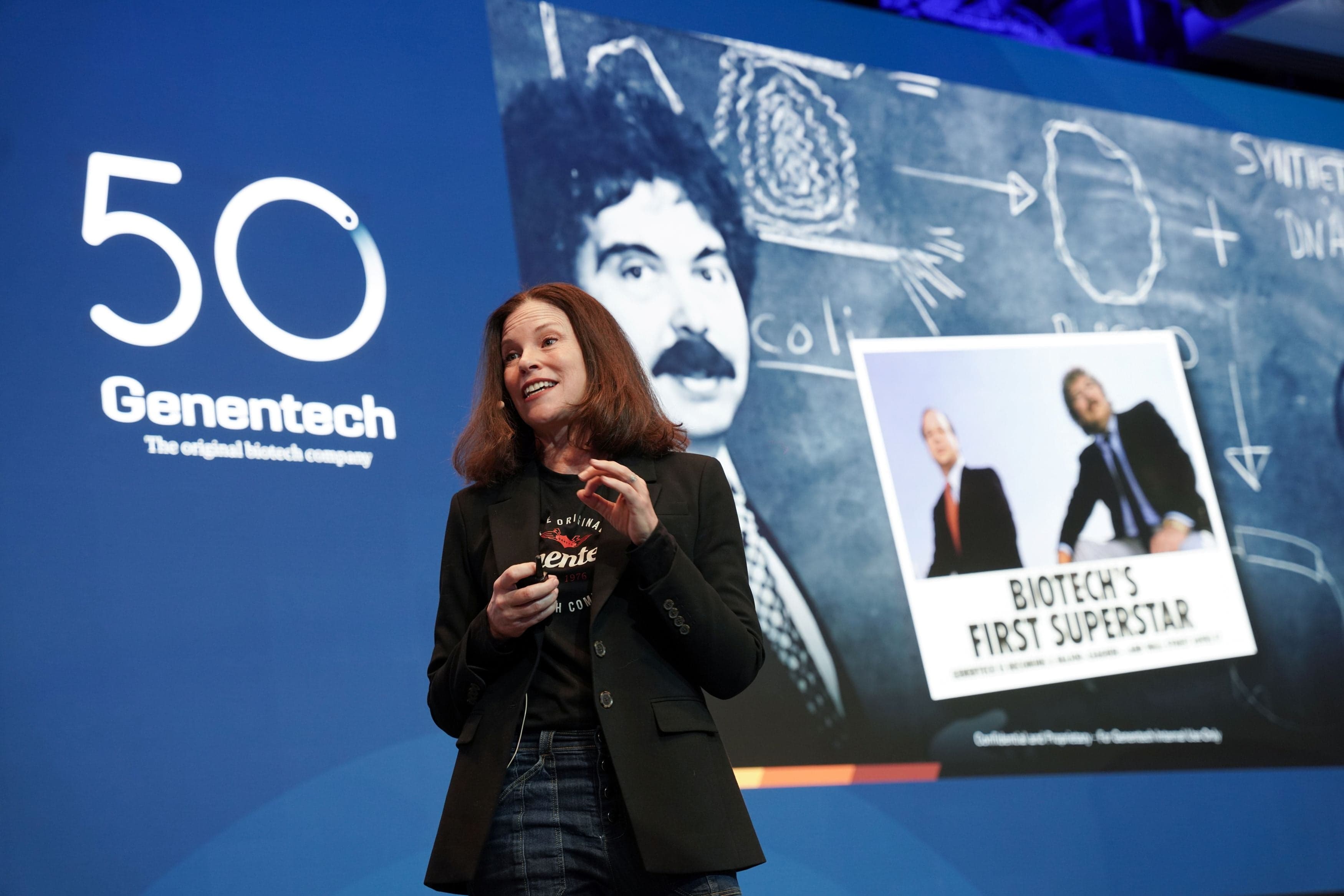
The Original Biotech Company Is Tearing Up the Lab Playbook: Inside Genentech's AI-Powered Reinvention
CEO Ashley Magargee is betting $50 billion and a radical campus redesign on artificial intelligence partnerships with Nvidia and Anthropic to transform 50 years of drug discovery tradition.

Clinical Trials Get a 24-Hour AI Makeover: Veeva's New Agent Slashes Setup Time from Weeks to One Day
Life sciences software giant deploys Anthropic's Claude to automate trial configuration, offering the technology free to existing customers starting December 2024.
AI-Designed Drug Reaches Landmark Phase III Trial for Fatal Lung Disease
Insilico Medicine's rentosertib becomes the first AI-developed therapeutic to enter late-stage testing for idiopathic pulmonary fibrosis, a condition with few treatment options and a median survival of just 3-4 years.
AI Army of 127 Algorithms Cracks the Code on Deadly Heart Drug Side Effect
Researchers deploy massive machine learning ensemble to identify SERPING1 as the first reliable early warning biomarker for amiodarone-induced lung scarring, potentially preventing irreversible damage in cardiac patients.
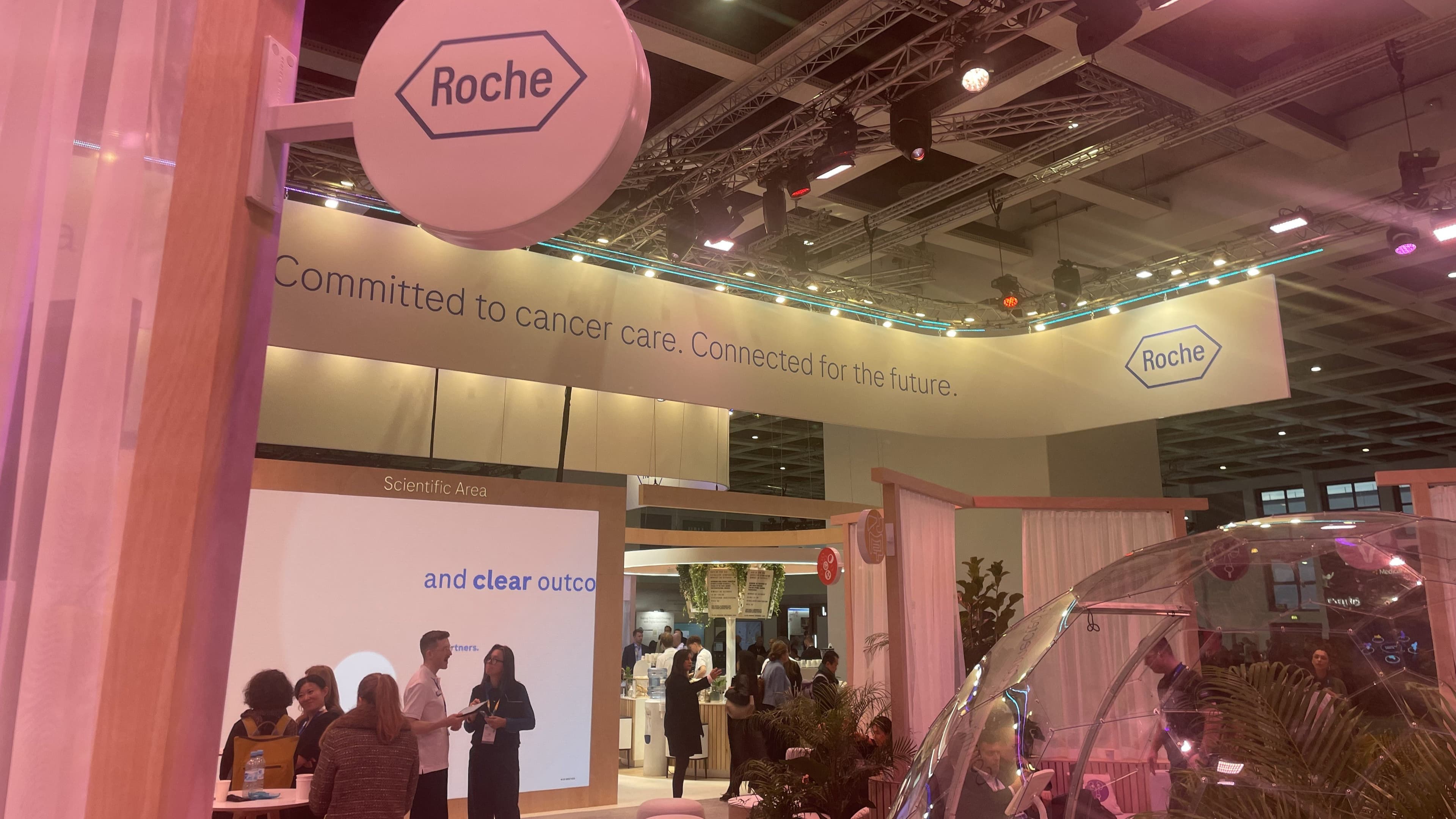
Roche Bets $2 Billion on Hidden Drug Targets as Big Pharma Races Into Heart and Metabolic Disease
Swiss pharma giant taps Atavistik Bio's AI-powered platform to unlock \"undruggable\" proteins in cardiovascular, renal, and metabolic conditions, marking latest mega-deal in CVRM therapeutics.
AbbVie Bets $710 Million on AI-Designed Drugs as Nvidia-Backed Startup Eyes Public Markets
Iambic Therapeutics secures pharma giant partnership and files for IPO in same-day move that tests whether artificial intelligence can deliver on drug discovery promises.
Helix Lands Million-Biospecimen Deal to Power Mayo Clinic's Precision Medicine Moonshot
The genomics company will deploy AI tools and whole genome sequencing across Precure's ambitious initiative to integrate molecular data into routine clinical care.
The Invisible Proteome: How 1,000 Hidden Brain Molecules Could Rewrite Alzheimer's Drug Discovery
Salk Institute researchers unveil a previously undetected class of microproteins that change independently in Alzheimer's disease, exposing critical blind spots in current therapeutic development.
Tempus AI Bets Big on Whole-Genome Data as Stock Surges Despite Path to Profitability Remains Unclear
The precision medicine company's ambitious plan to scale from 100,000 to one million genomes by 2027 sent shares soaring 31.9%, even as analysts question whether massive datasets can overcome current $254 million losses.

The First Fully AI-Designed Drug Reaches Phase 3 Trials—And Its Maker Is Already Profitable
Insilico Medicine's rentosertib marks a watershed moment for artificial intelligence in pharmaceutical development, advancing to large-scale human testing while the company reports $35.5 million in net profit.

AI Safety Leader Anthropic Now Running Physical Biology Lab, Raising Eyebrows Across Industry
The company behind Claude has quietly moved from computational AI into hands-on biological experimentation through a Bay Area wet lab, sparking debate about the intersection of AI safety warnings and biotech ambitions.
AI Meets the Lab Bench: Anthropic Bets $1 Million That Claude Can Design Real Proteins
New competition will experimentally test over 5,000 AI-generated protein designs, building on prior work that achieved a 26.8% success rate in creating functional binders.

Claude AI Slashes Protein Design Costs 100-Fold While Autonomously Rewriting Drug Discovery Code
Anthropic's foundation model optimized 36 biomolecular AI packages in under four weeks, achieving 4x speed gains and enabling therapeutic design for $150 instead of $10,000 per target.
Pharma Giant Novo Nordisk Taps Third AI Partner in Six Months as Drug Discovery Race Intensifies
Anthropic's Claude Science models join OpenAI and AWS in Novo's accelerating push to embed artificial intelligence across research workflows.
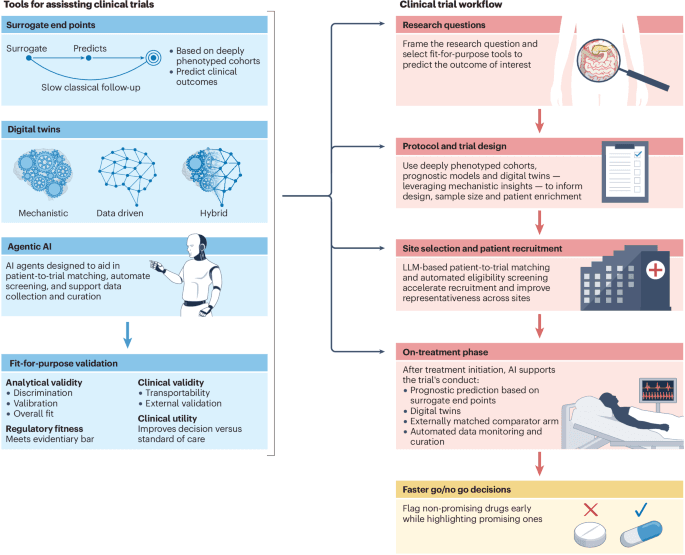
The $300 Billion Problem: How AI Could Redesign Clinical Trials From the Ground Up
A new framework published in Nature Reviews Bioengineering maps out how validated AI tools—from digital twins to agentic systems—could slash trial costs and timelines while maintaining regulatory rigor.
DeepMind Cracks the 98% Problem: Free AI Atlas Maps Every Possible Human DNA Mutation
Google's AlphaGenome Atlas delivers precomputed predictions for 9 billion genetic variants, focusing on the regulatory \"dark matter\" that controls gene expression and has long eluded clinical interpretation.
IQVIA Promises to Slash Clinical Trial Startup Times by One-Third Using AI Platform
Healthcare giant unveils predictive development system claiming 33% faster study launches and 1.7x patient recruitment boost through automation and machine learning.

Machine Learning Cracks the Mitochondrial Code: Five New Drug Targets Emerge for Alzheimer's Treatment
Insilico Medicine's AI platform identifies blood-detectable biomarkers and novel therapeutic pathways by analyzing mitochondrial dysfunction across multiple neurodegenerative diseases.

Federal Government Bets $35 Million on AI to End Diagnostic Odysseys for 350 Million Rare Disease Patients
UNC and Emory will build the world's largest rare disease data repository to train artificial intelligence models capable of identifying conditions that currently take years to diagnose.
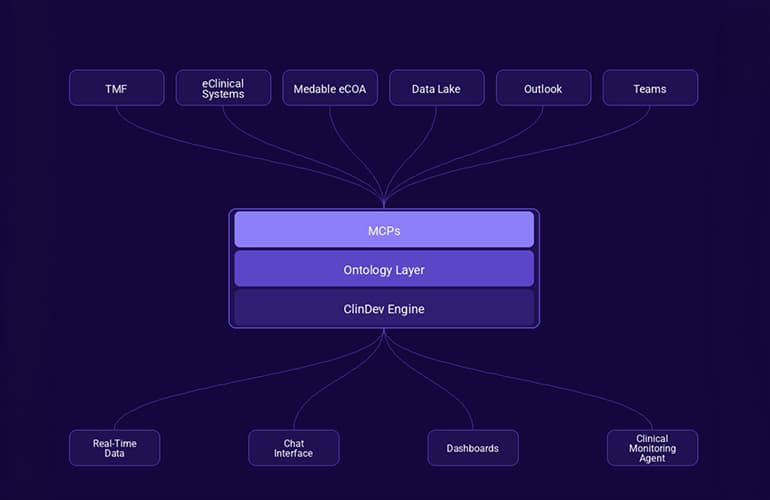
Clinical Trial AI Delivers 82-Fold Return in Tufts Economic Model, But Humans Still Hold the Reins
New analysis quantifies up to $21 million in value from Medable's monitoring agent for phase 3 oncology trials, establishing the first major ROI benchmark as the industry moves from pilot programs to production deployment.

DeepMind Alumni's AI Biotech Lands Third Major Cancer Data Deal in Five Months
Bioptimus secures access to 1,750+ UK colorectal cancer patient profiles as it races to build a 100,000-specimen foundation model for precision oncology.
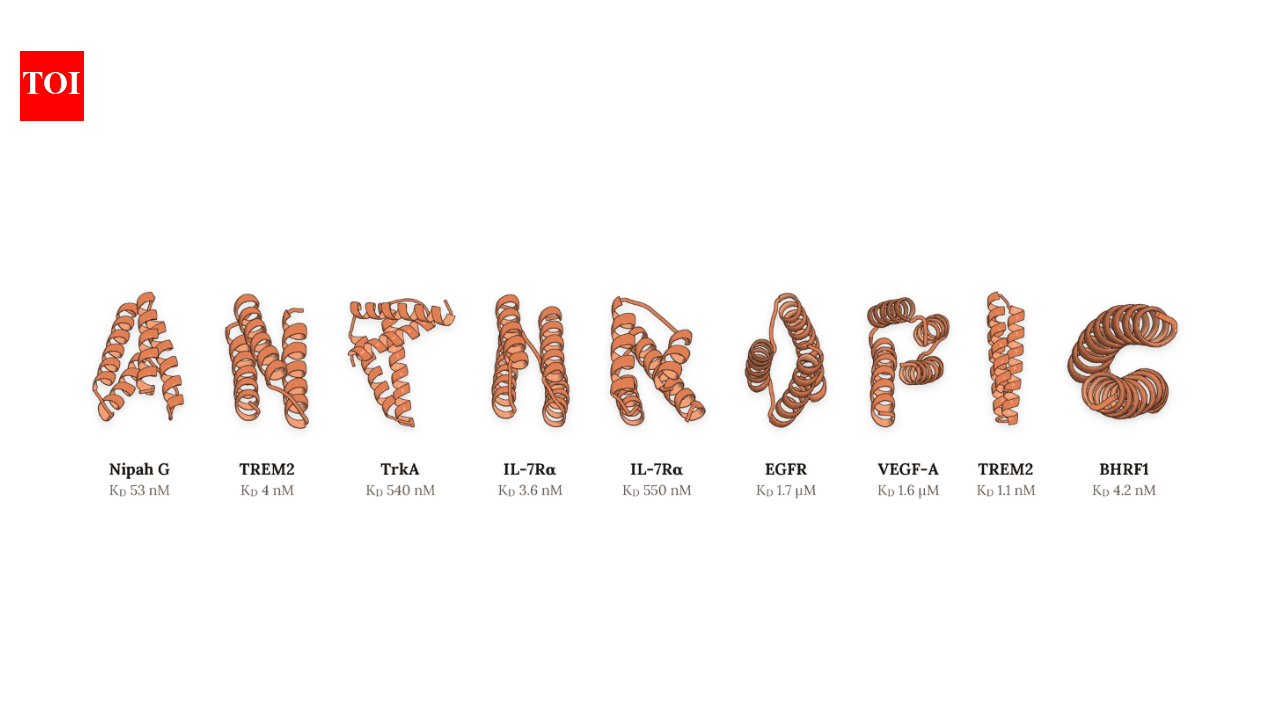
Claude AI Outperforms Human Scientists in Protein Design Competition, Validating 354 Functional Binders
Anthropic's general-purpose AI achieved hit rates up to 35% in lab-validated protein engineering tests—more than double the industry standard—while analyzing complex chemistry data in minutes instead of days.
The Patent Paradox Threatening Billions in AI-Discovered Drugs
As artificial intelligence designs novel therapeutics with minimal human input, U.S. patent law's human-inventor requirement is creating legal uncertainty that could invalidate exclusivity rights for an entire generation of AI-developed medicines.
AI Agent Designs 354 Protein Binders in 48 Hours, Doubling Industry Success Rates
Anthropic's autonomous models orchestrated existing computational tools to generate high-affinity binders across oncology targets, achieving hit rates up to 35% compared to a 10-15% field norm.

The Validation Gap: Why AI-Designed Antibodies Just Hit Their First Real-World Reality Check
A landmark Nature Biotechnology benchmark reveals wildly inconsistent performance across 29 organizations' AI platforms, exposing the fragile evidence base beneath computational drug discovery's regulatory future.