

The Invisible Proteome: How 1,000 Hidden Brain Molecules Could Rewrite Alzheimer's Drug Discovery
Salk Institute researchers unveil a previously undetected class of microproteins that change independently in Alzheimer's disease, exposing critical blind spots in current therapeutic development.
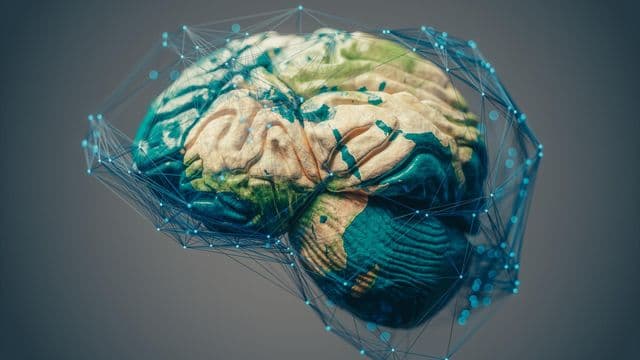
For decades, scientists believed they had mapped the essential protein landscape of the human brain. That confidence has now been shattered. Researchers at the Salk Institute have discovered 1,067 previously undetected microproteins in the human brain—tiny molecular players that standard detection methods have systematically missed, and which may hold keys to understanding and treating Alzheimer's disease.
Published in Nature Aging, the study analyzed over 600 postmortem frontal cortex samples from older adults across the Alzheimer's spectrum, creating the first comprehensive microprotein atlas of the human brain. The findings reveal an entirely new layer of molecular complexity that conventional proteomics has overlooked, with potential implications for drug discovery and precision medicine.
A Hidden Class of Proteins Operating in Plain Sight
Microproteins are diminutive molecules containing 150 amino acids or fewer—far smaller than the proteins typically studied in neuroscience research. Their small size and low abundance make them nearly invisible to standard mass spectrometry techniques, which fragment proteins for analysis but generate too few detectable pieces from these molecular miniatures.
Led by Dr. Alan Saghatelian, Professor and Dr. Frederik Paulsen Chair at the Salk Institute, and first author Dr. Brendan Miller, a postdoctoral researcher, the team employed long-read sequencing and machine learning analysis to validate candidate microprotein signatures that traditional methods would miss. The results were striking: 37% of actively translated microproteins still escape direct detection even with advanced techniques, suggesting the brain's molecular landscape is more complex than previously understood.
Independent Actors in Alzheimer's Pathology
The research revealed that 39% of tested microprotein transcripts changed levels independently of the main protein coded by the same gene. This independence means that tracking conventional proteins alone—the current standard in clinical assessments and drug development—may miss critical disease drivers operating through separate molecular pathways.
The researchers identified specific microproteins with apparent functional roles in Alzheimer's pathology. Micro-MKKS63, a 63-amino-acid microprotein found in microglial mitochondria, drops dramatically in Alzheimer's tissue. When the team disabled its gene, cellular energy production and ATP output were severely impaired—suggesting this molecule may play a role in the metabolic dysfunction characteristic of neurodegenerative disease.
The study even identified functional microproteins emerging from pseudogenes, DNA sequences previously dismissed as non-functional evolutionary remnants. One such microprotein, ACTBP7, was found to regulate cell structural integrity, challenging assumptions about which portions of the genome matter for brain health.
Implications for Drug Discovery
This discovery expands the druggable proteome for Alzheimer's and other neurodegenerative diseases. For AI-driven drug discovery platforms and precision medicine tools, the atlas provides a reference dataset that could inform diagnostic biomarker panels and disease staging algorithms.
Current genomic and proteomic screening workflows may be missing key disease drivers, the findings suggest, potentially necessitating updated bioinformatics pipelines and mass spectrometry protocols. Healthcare providers and pharmaceutical companies developing Alzheimer's therapeutics now face both a challenge and an opportunity: their existing approaches have systematic blind spots, but an entirely new class of therapeutic targets has emerged to explore.
The Human Protein Atlas released its Brain Atlas in 2019, but missed this entire microprotein class—a reminder that even comprehensive mapping efforts can overlook what they're not designed to detect. As machine learning models increasingly guide drug discovery, incorporating microprotein data may prove relevant to identifying treatments that have eluded conventional approaches.
Sources
Companies in this article

Google Search
Follow Health AI Central on Google
Choose Health AI Central as a preferred source, and Google is more likely to show our reporting in Top Stories.
Reporting & accountability
How we maintain accuracy
Health AI Central separates reported facts, analysis, and public-source data. Readers can review our standards, request a correction, or consult the relevant research methodology before relying on a claim.