

The 100-Million-Cell Dataset That Could Rewrite AI Drug Discovery Rules
Parse Biosciences and Nomic Bio unveil Cascade, a massive multimodal immune profiling dataset backed by GSK, Pfizer, and Sanofi to train next-generation therapeutic AI models.
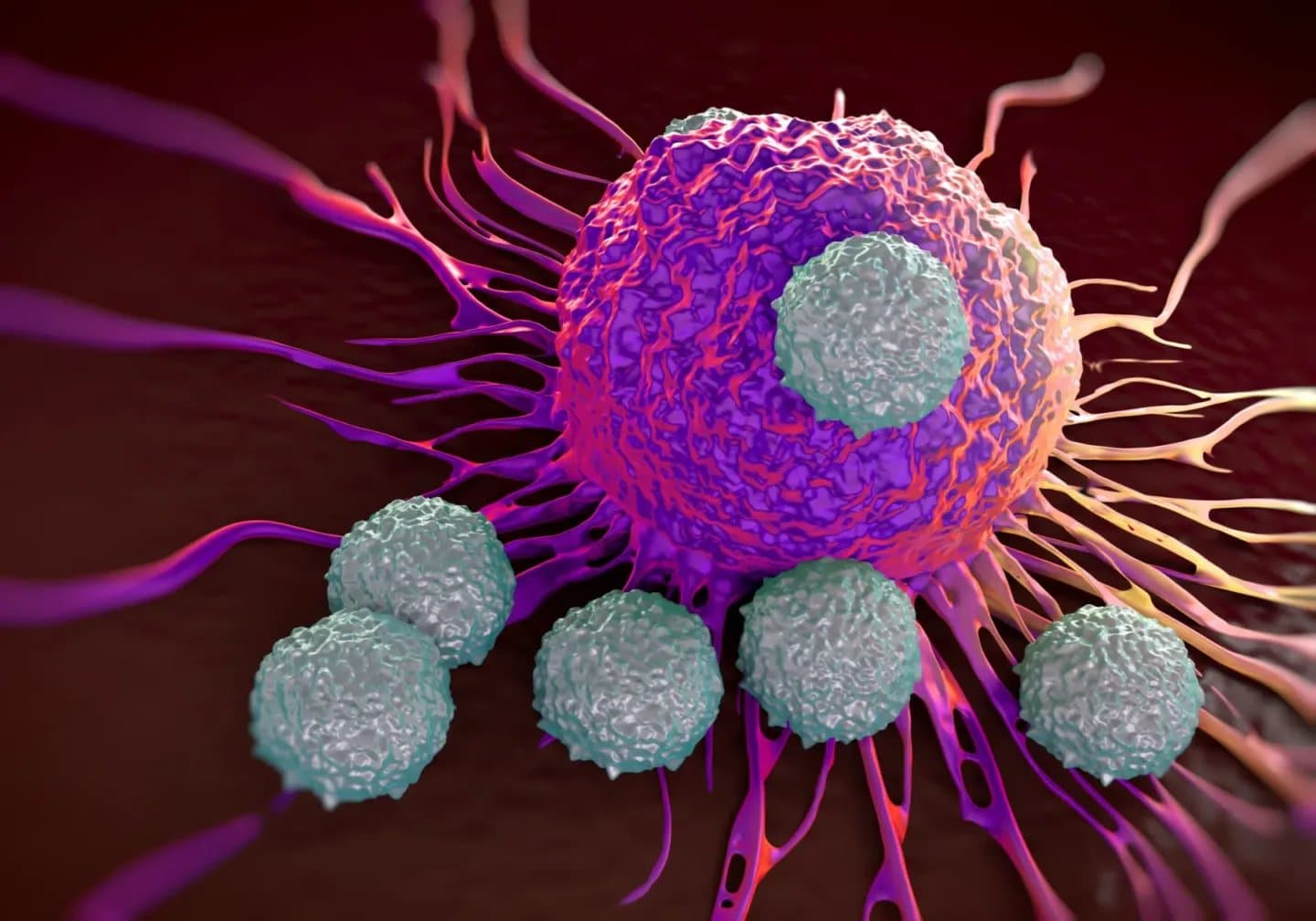
Artificial intelligence in drug discovery has a data problem. While AI models promise to accelerate therapeutic development, they've been constrained by a fundamental limitation: the lack of large-scale, high-quality biological datasets needed to train predictive models of human immune responses. Now, Parse Biosciences—a QIAGEN subsidiary—and Nomic Bio are tackling that bottleneck with Cascade, a 100-million-cell immune dataset that has already secured commitments from pharmaceutical giants including GSK, Pfizer, and Sanofi.
The collaboration combines Parse's single-cell RNA sequencing capabilities with Nomic's high-throughput protein analysis to create what the companies describe as an unprecedented multimodal resource for AI-driven immunology research.
Unprecedented Scale Meets Multimodal Depth
Cascade's ambition is reflected in its numbers: 100 million single-cell RNA sequencing profiles paired with measurements of more than 11,000 secretory protein profiles. The dataset will track immune cell responses across over 150,000 individual and collective cytokine and drug conditions, capturing temporal dynamics that have historically been difficult to model at scale.
The technical foundation relies on Parse's GigaLab high-throughput service facility, which the company says can analyze billions of cells annually, combined with Nomic's Omini 1000 platform capable of measuring 1,000+ secreted proteins across all samples. This multimodal approach—integrating transcriptomic and proteomic measurements with temporal tracking—addresses what Charlie Roco, CTO of Parse Biosciences, characterized as a critical gap in predictive immunobiology modeling.
Pharma Giants Signal Industry Shift
The early commitment from major pharmaceutical players suggests industry recognition that current AI drug discovery efforts are data-starved. Beyond the three pharmaceutical giants, biotechnology companies Graph Therapeutics and Turbine have also signed on as foundational partners, indicating that both large pharma and emerging AI-native drug discovery firms see value in standardized, large-scale immune profiling data.
For these partners, Cascade promises cell- and protein-level insights that could accelerate target identification and validation—potentially compressing drug development timelines and reducing the costs of bringing new therapeutics to market. Milad Dagher, CEO of Nomic Bio, emphasized the dataset's potential to enable more accurate predictive models of human immune responses.
The Data Infrastructure Play
Parse Biosciences' role in this partnership reflects a strategic evolution for single-cell sequencing companies. Operating under QIAGEN's corporate umbrella, Parse is positioning itself not merely as a service provider but as essential data infrastructure for the pharmaceutical AI ecosystem. The GigaLab facility's capacity to generate billions of cellular profiles annually gives Parse a structural advantage in an era when AI model performance increasingly depends on training dataset scale.
For health AI companies developing immunology-focused therapeutic discovery platforms, Cascade establishes a new benchmark for dataset scale and multimodal integration. It also creates competitive pressure: access to comparable high-quality immune profiling data may become a differentiating factor in the crowded AI drug discovery landscape.
The partnership signals a broader industry recognition that the next frontier in AI-powered drug development isn't just better algorithms—it's the massive, multimodal biological datasets needed to train them.
Sources
Google Search
Follow Health AI Central on Google
Choose Health AI Central as a preferred source, and Google is more likely to show our reporting in Top Stories.
Reporting & accountability
How we maintain accuracy
Health AI Central separates reported facts, analysis, and public-source data. Readers can review our standards, request a correction, or consult the relevant research methodology before relying on a claim.