

Roche Bets $2 Billion on Hidden Drug Targets as Big Pharma Races Into Heart and Metabolic Disease
Swiss pharma giant taps Atavistik Bio's AI-powered platform to unlock \"undruggable\" proteins in cardiovascular, renal, and metabolic conditions, marking latest mega-deal in CVRM therapeutics.
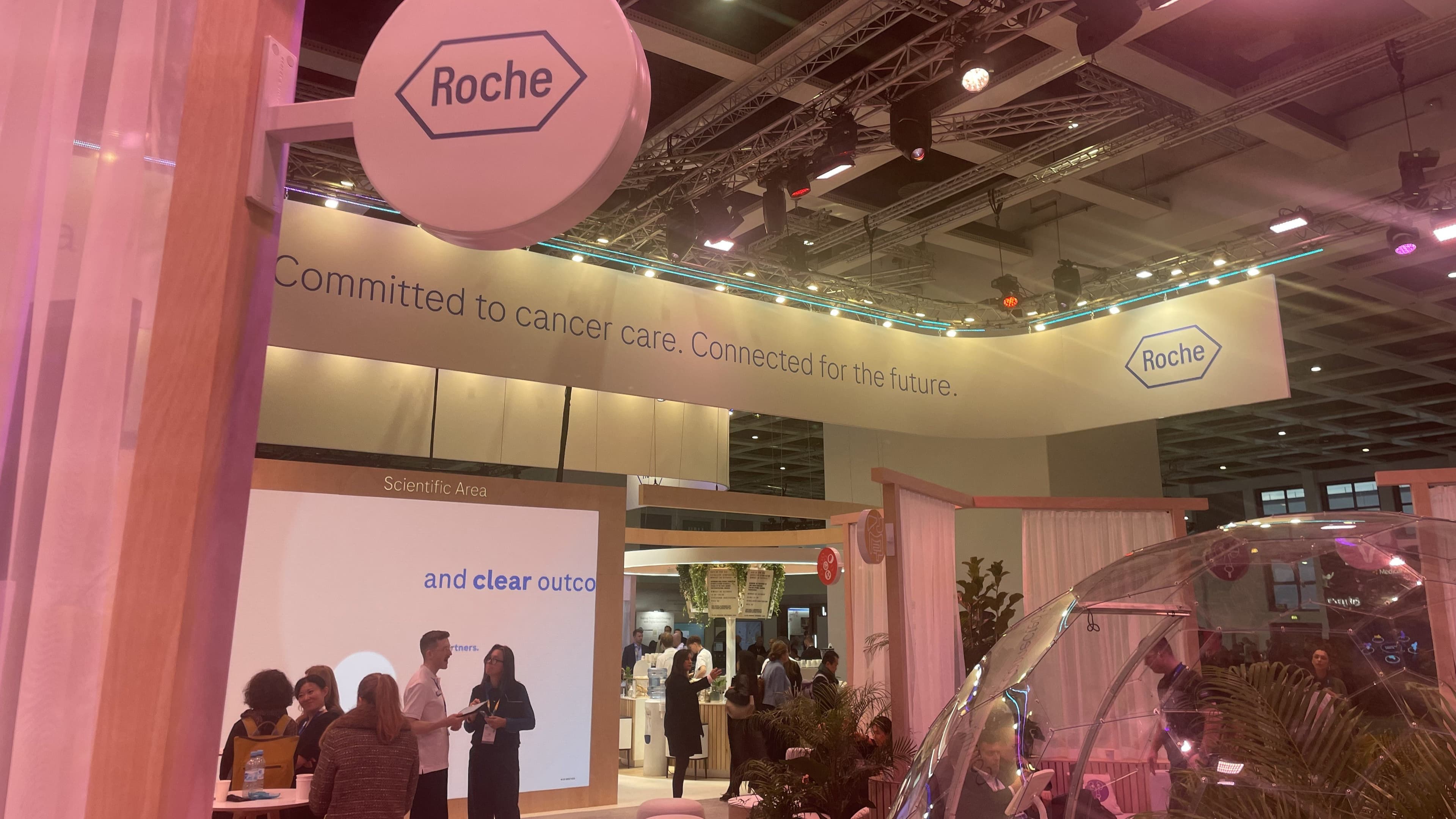
Roche has committed up to $2 billion to partner with Cambridge-based Atavistik Bio in a deal that underscores Big Pharma's intensifying push into cardiovascular, renal, and metabolic (CVRM) diseases—and its growing reliance on AI-enabled platforms to crack historically elusive drug targets.
The agreement, announced September 24, 2024, includes $70 million upfront and up to $1.9 billion in milestone payments. Atavistik will handle discovery and research using its proprietary metabolite-protein screening (AMPS) platform, which identifies what the company calls "cryptic, biologically relevant binding pockets" for developing allosteric small molecule drugs. Roche will then take over preclinical development and commercialization.
Unlocking the "Undruggable" with Allosteric Approaches
Traditional drug discovery typically targets a protein's active site—the orthosteric binding pocket where natural substrates attach. But many disease-relevant proteins lack suitable orthosteric sites for small molecule intervention, earning them the label "undruggable."
Atavistik's AMPS platform takes a different approach, hunting for allosteric sites—alternative binding pockets that can modulate protein function indirectly. According to the announcement, this method opens access to targets previously considered beyond reach for conventional small molecule therapies.
The company's lead asset, ATV-1601, exemplifies this strategy. The oral allosteric AKT1 inhibitor is currently in phase 1/2 trials for hereditary hemorrhagic telangiectasia, while allosteric JAK2 selective inhibitors remain in preclinical development for myeloproliferative neoplasms. Atavistik recently raised $160 million in series B financing from RA Capital Management, Regeneron Ventures, and other investors.
Roche's Strategic Pivot Into Cardiometabolic Territory
The Atavistik partnership represents Roche's continued expansion beyond its traditional oncology stronghold into CVRM therapeutics—a shift backed by substantial infrastructure investment, including a dedicated research campus in Boston.
This deal follows a string of high-value CVRM acquisitions and collaborations. Roche partnered with Alnylam on zilebesiran for hypertension, acquired 89bio for $3.5 billion to gain fatty liver disease assets, and paid $2.7 billion for Carmot Therapeutics' obesity and diabetes pipeline.
"This collaboration with Atavistik Bio exemplifies our commitment to advancing innovative approaches in drug discovery," said Boris Zaïtra, Head of Corporate Business Development at Roche, in the announcement.
Bryan Stuart, CEO of Atavistik Bio, emphasized the platform's potential, stating the partnership aims to leverage the AMPS technology to "discover and develop transformative therapies" for CVRM patients.
Implications for AI-Driven Drug Discovery
The deal structure—separating platform-driven discovery from capital-intensive development—offers a replicable model for biotech-pharma partnerships. For computational biology and AI companies, Roche's willingness to pay premium valuations for technologies that expand the targetable protein universe signals robust appetite for platform deals in the cardiometabolic space.
Success could yield oral small molecule therapies for conditions currently lacking effective treatments or dependent on injectable biologics, potentially improving patient adherence. The allosteric mechanism may also deliver improved selectivity and reduced side effects compared to traditional competitive inhibitors.
With cardiovascular disease, chronic kidney disease, and metabolic disorders affecting millions globally, the collaboration addresses significant unmet medical needs—provided the platform can translate computational predictions into clinical successes.
Sources
Reporting & accountability
How we maintain accuracy
Health AI Central separates reported facts, analysis, and public-source data. Readers can review our standards, request a correction, or consult the relevant research methodology before relying on a claim.