

Hospitals Hesitate on Breast Cancer AI That Spots Tumors Years Before Radiologists
Despite algorithms detecting three times more cancers in high-risk patients, implementation costs and insurance gaps are stalling adoption of FDA-authorized screening tools.
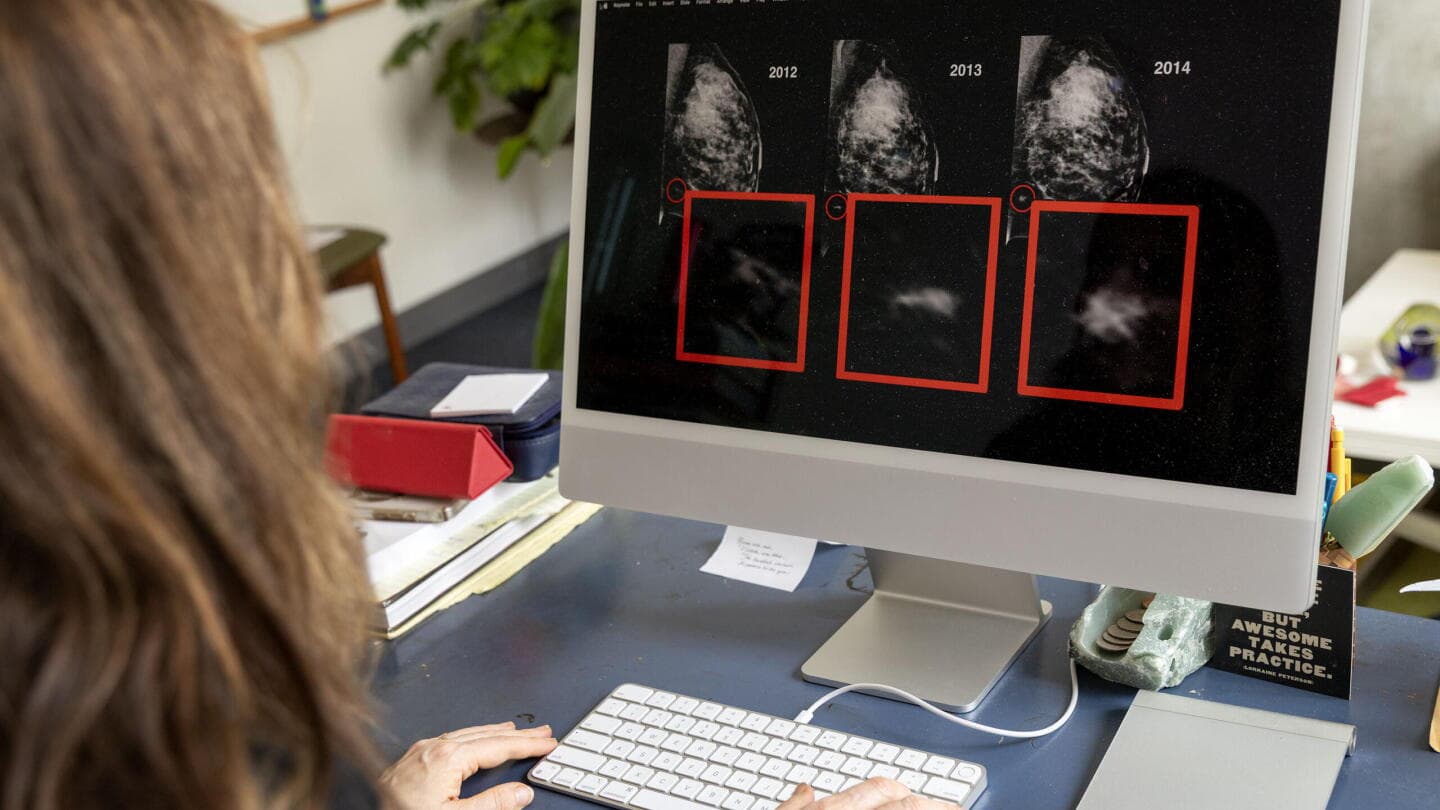
Artificial intelligence can now predict breast cancer risk up to five years before human radiologists spot warning signs, analyzing mammogram images for subtle patterns invisible to the trained eye. Yet despite compelling clinical evidence—including a threefold increase in cancer detection among high-risk patients—most hospitals remain on the sidelines, deterred by implementation costs, insurance coverage gaps, and the slow pace of guideline integration.
The disconnect between clinical promise and real-world adoption reveals a critical bottleneck in medical AI deployment: even FDA-authorized tools with strong evidence struggle to cross the reimbursement chasm.
Algorithms Outperform Traditional Risk Assessment
MIT professor Regina Barzilay's Mirai algorithm has been trained on mammogram data from Massachusetts General Hospital and tested across more than 2 million images from over 100 hospitals globally. A 2023 Mass General study demonstrated that physicians detected three times more cancers among women flagged as high-risk by AI compared to those identified through conventional assessment methods.
At UMass Memorial Medical Center, the first prospective U.S. study using Mirai analyzed 65,000 patients receiving routine mammograms. The algorithm identified 4,000 high-risk patients that radiologists had missed. Among 145 patients who received follow-up breast MRIs, six already had undetected cancer—validating the AI's predictive capability.
Ellen Costello, a 68-year-old study participant, exemplifies the technology's potential. AI detected a precancerous growth that standard screening had overlooked. She now takes tamoxifen preventive therapy and undergoes screening every six months instead of annually.
The Reimbursement Roadblock
Despite these outcomes, widespread adoption faces formidable barriers. The average breast MRI in Massachusetts costs $1,400, and insurers don't routinely cover MRIs ordered solely on AI predictions. Beth Israel Deaconess Medical Center offers the FDA-authorized Clairity AI tool for $200 out-of-pocket—insurance won't pay—and aims to expand to 10,000 patients annually.
The cash-pay model creates equity concerns. Patients who can afford the screening gain access to earlier intervention through preventive medications and intensified monitoring, while those who cannot remain dependent on standard protocols that may miss early warning signs.
Implementation costs extend beyond patient fees. Hospitals need data centers, servers, and infrastructure investments that strain budgets, limiting adoption primarily to well-resourced academic medical centers. Researchers at UMass Chan, including Dr. Mohammed Salman Shazeeb and Dr. Gopal Vijayaraghavan, are navigating these financial constraints while building evidence for broader deployment.
Guideline Updates Signal Momentum
The National Comprehensive Cancer Network updated its 2024 cancer screening guidelines to include AI tools, marking regulatory progress. Yet guideline inclusion hasn't translated to payer coverage, leaving providers like Dr. Elizabeth Mittendorf at Beth Israel Deaconess to manage patient expectations while advocating for reimbursement policy changes.
Dr. Connie Lehman, Clairity's founder and former Mirai collaborator, represents the commercial pathway forward. Her company's FDA authorization demonstrates regulatory feasibility, but the business model remains constrained by the insurance gap—a challenge facing the broader medical imaging AI market.
The breast cancer AI case study illuminates a fundamental tension: clinical validation and regulatory approval are necessary but insufficient for healthcare AI adoption. Until payers recognize these tools in coverage policies, even life-saving algorithms will reach only patients who can pay cash or access well-funded academic centers.
References:
1. AI can detect breast cancer risk before humans. Why it may take hospitals a while to adopt the tech
Companies in this article

Reporting & accountability
How we maintain accuracy
Health AI Central separates reported facts, analysis, and public-source data. Readers can review our standards, request a correction, or consult the relevant research methodology before relying on a claim.