

When AI Catches What Pathologists Miss: The New Frontline in Cancer Misdiagnosis Prevention
Oncology experts reveal how artificial intelligence combined with molecular profiling is creating a critical safety net for diagnostic errors, with nurses emerging as unexpected gatekeepers of accuracy.
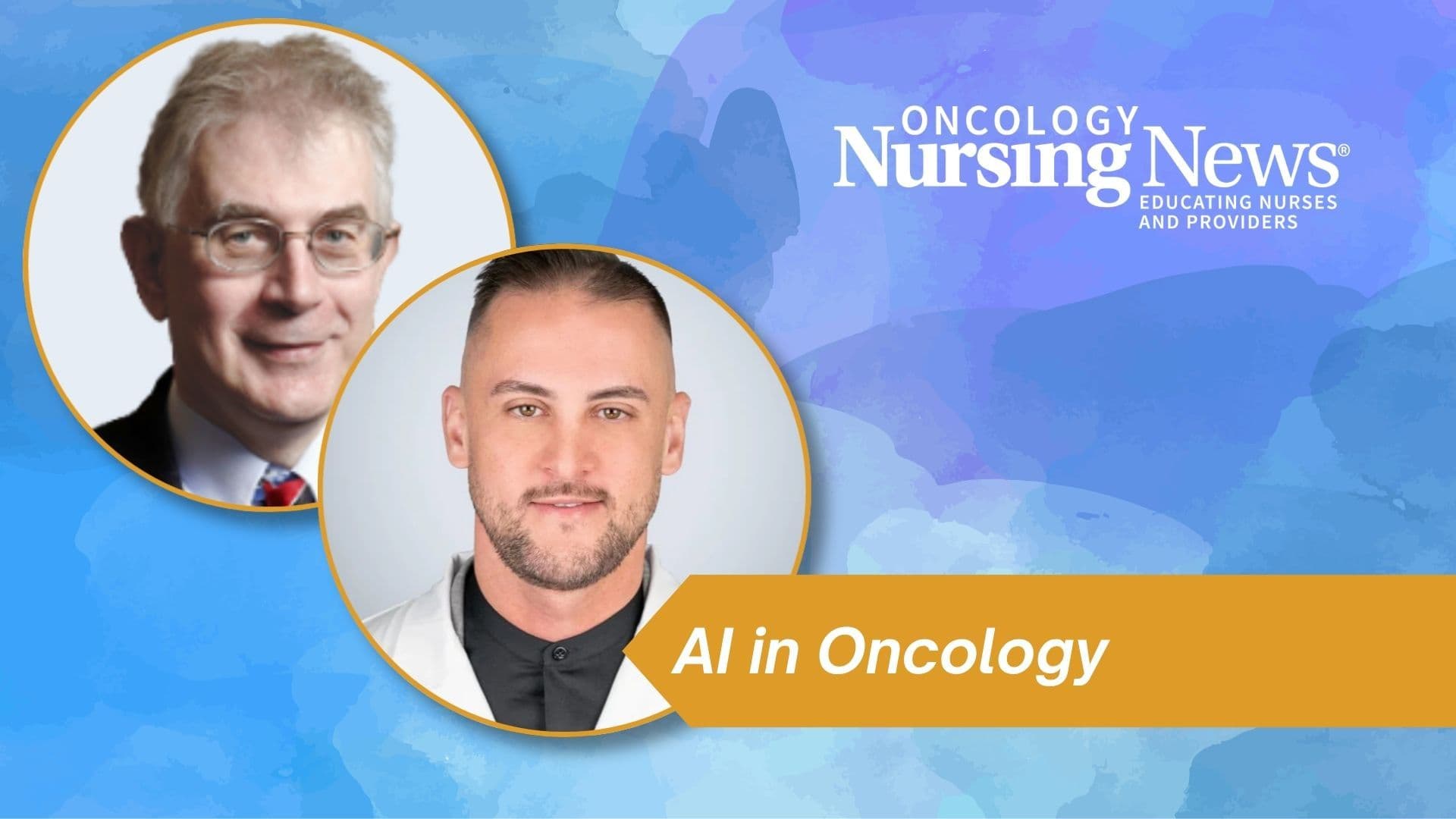
Cancer misdiagnosis remains one of the most devastating errors in medicine, potentially leading patients down months of ineffective treatment before the mistake is discovered. Now, a compelling case study presented by oncology experts Dr. Sledge and Dr. Pastorini demonstrates how artificial intelligence paired with molecular profiling successfully identified and corrected a cancer misdiagnosis—and reveals the surprising role oncology nurses play as "early warning systems" in this technological revolution.
The presentation highlights a fundamental shift in how diagnostic accuracy is being safeguarded in modern oncology, moving beyond traditional pathology alone to incorporate molecular signatures analyzed by machine learning algorithms.
The AI-Molecular Profiling Safety Net
Traditional cancer diagnosis relies heavily on histopathological examination—a pathologist examining tissue samples under a microscope. While highly accurate in most cases, this approach can miss subtle molecular characteristics that distinguish one cancer type from another, particularly in diagnostically ambiguous presentations.
The case presented by Sledge and Pastorini demonstrates how AI-powered molecular profiling creates an additional verification layer. By analyzing the genetic and molecular signatures of tumor tissue and comparing them against vast databases of known cancer profiles, AI algorithms can flag cases where the molecular fingerprint doesn't align with the initial histopathological diagnosis. This discrepancy triggers a diagnostic reassessment that can prevent patients from receiving inappropriate treatment protocols.
The integration represents a critical evolution in precision oncology workflows, where molecular testing moves from a supplementary tool to an essential diagnostic checkpoint.
Nurses as Diagnostic Gatekeepers
Perhaps the most striking revelation from the expert discussion is the elevated role of oncology nurses in this AI-enhanced diagnostic pathway. Rather than positioning AI as a physician-only tool, the experts identified nurses as providing crucial "early warning" signals that prompt molecular workup.
Oncology nurses, who spend more direct time with patients than physicians and coordinate care across multiple touchpoints, are uniquely positioned to notice clinical presentations that don't align with expected disease progression. These observations—a patient not responding as anticipated, symptoms that don't quite fit the diagnosis, or treatment side effects that seem disproportionate—can trigger the molecular profiling that ultimately reveals diagnostic errors.
This workflow integration suggests that effective AI diagnostic tools must be designed with nursing interfaces in mind, providing actionable alerts and decision support that empowers nurses to advocate for diagnostic reconsideration when molecular and clinical pictures diverge.
Implications for Cancer Care Delivery
The case study validates a growing category of AI-powered molecular profiling platforms in oncology, demonstrating tangible clinical utility beyond incremental improvements. For healthcare systems, it underscores the need for multidisciplinary diagnostic protocols that incorporate molecular verification, particularly in complex cases.
For patients facing cancer diagnoses, particularly in diagnostically ambiguous situations, the findings highlight the potential value of requesting molecular profiling as a diagnostic safeguard. As these technologies become more accessible and integrated into standard care pathways, they represent a meaningful safety net against one of oncology's most consequential errors.
The evolution of AI in cancer diagnosis isn't replacing clinical expertise—it's creating a more robust system of checks and balances, with nurses emerging as essential interpreters at the intersection of technology, molecular data, and patient care.
Source: OncNursingNews.com
Reporting & accountability
How we maintain accuracy
Health AI Central separates reported facts, analysis, and public-source data. Readers can review our standards, request a correction, or consult the relevant research methodology before relying on a claim.