

The Radical Workforce Gambit Behind Microsoft's AI-First Transformation: What 60,000 Buyout Offers Tell Us About the Future
CEO Satya Nadella reveals Microsoft's voluntary departure program was designed to reshape the workforce around AI agent management rather than traditional task execution, signaling seismic shifts for healthcare technology organizations.
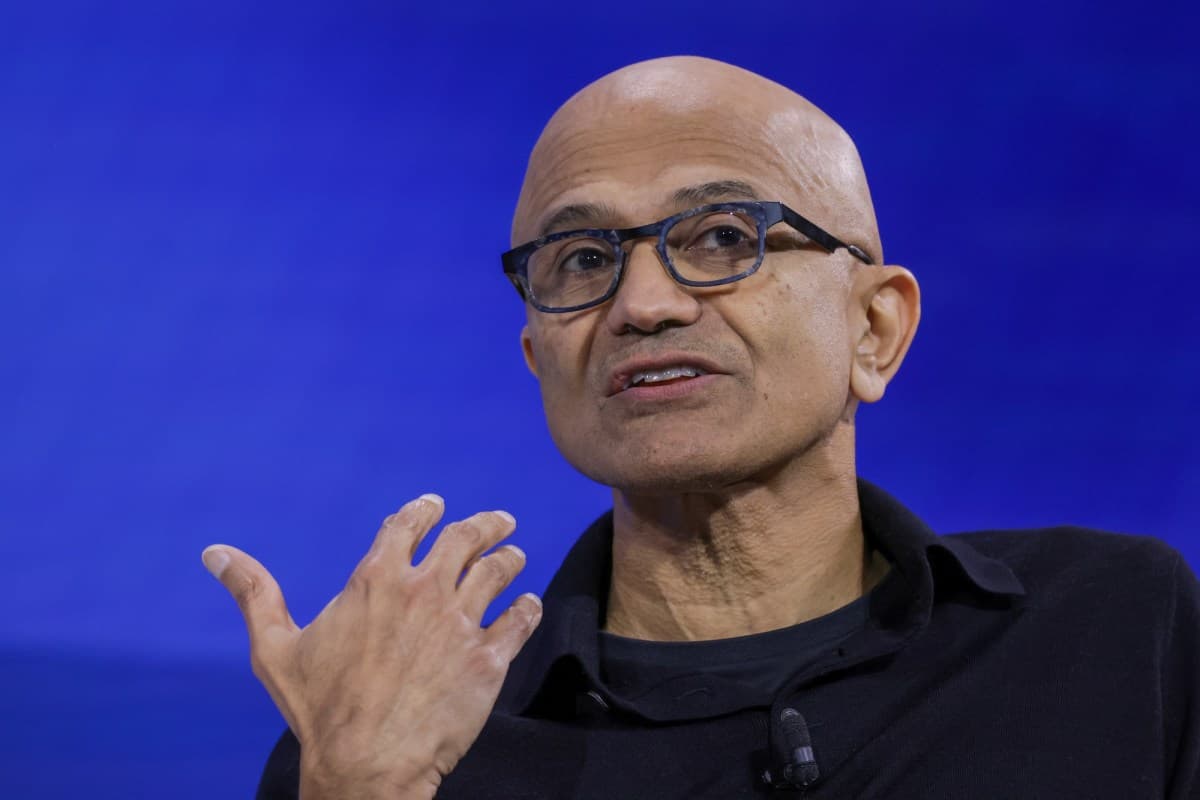
Microsoft CEO Satya Nadella has publicly explained the strategic rationale behind the company's October 2024 voluntary buyout offer to 60,000 employees, framing the controversial move as a necessary step in transforming the 51-year-old technology giant into an "AI-first" organization. Speaking at the DealBook Summit in November 2024 and on The Pragmatic Engineer podcast, Nadella described the restructuring as enabling employee agency during a fundamental shift in how work gets done—a transition with profound implications for healthcare AI vendors and health systems alike.
From Task Performers to Agent Managers
Nadella articulated a vision where Microsoft employees evolve from directly performing tasks to becoming "managers of agents"—human orchestrators of AI systems that handle execution. He cited Microsoft's Copilot development team as a working example of this new paradigm: just 11 developers who use AI tools to "build a software factory that builds the product." This represents a dramatic departure from traditional software development models and suggests Microsoft envisions similar productivity multipliers across its operations.
The CEO acknowledged that this transformation creates "enormous anxiety" among employees regarding job security, but positioned the voluntary buyout program as giving workers agency during the transition rather than imposing involuntary layoffs. The approach reflects Microsoft's attempt to reshape its workforce composition while managing the human dimensions of AI-driven organizational change.
Healthcare AI Implications
For healthcare organizations, Microsoft's workforce strategy carries direct relevance. The company maintains significant presence in health technology through Azure cloud services, Microsoft Cloud for Healthcare, and partnerships with major players including Epic Systems. Microsoft's 2022 acquisition of Nuance brought clinical documentation AI capabilities into its portfolio, including DAX Copilot for ambient clinical documentation.
As Microsoft accelerates its shift toward AI-agent-managed workflows, healthcare products built on its platforms will likely reflect these architectural assumptions. Clinical informaticists, health IT staff, and digital health companies may need to adopt similar operational models—training workers to orchestrate AI agents rather than perform manual documentation, data entry, or analysis tasks directly.
Workforce Planning for an AI-Native Future
Healthcare organizations deploying Microsoft's evolving AI-first products should anticipate more than simple feature updates. The underlying philosophy driving Microsoft's internal transformation—that human workers should manage AI agents rather than execute tasks themselves—will likely permeate product design across Azure OpenAI Service for health applications, clinical workflow tools, and administrative systems.
This shift may necessitate workforce retraining programs, new competency frameworks distinguishing AI orchestration skills from traditional clinical or administrative capabilities, and revised change management strategies. Health systems will need to determine which roles transform into agent management positions and which functions AI systems can handle with human oversight rather than direct human execution.
Microsoft's voluntary buyout approach, while controversial, provides a case study in how large technology organizations are attempting to manage workforce transitions during the generative AI era—lessons that healthcare organizations implementing AI-native systems will increasingly need to apply within their own operations.
Sources
Companies in this article
Follow Health AI Central
Keep up with health AI where you already read
On LinkedIn
The day’s strongest health AI stories in your feed, one or two each weekday.
On Google
Choose Health AI Central as a preferred source, and Google is more likely to show our reporting in Top Stories.
Reporting & accountability
How we maintain accuracy
Health AI Central separates reported facts, analysis, and public-source data. Readers can review our standards, request a correction, or consult the relevant research methodology before relying on a claim.