

Steve Jobs' Son Launches $350 Million Bet That AI Can Crack Cancer's Toughest Targets
Reed Jobs' Yosemite fund backs 25 companies using artificial intelligence to design therapies for previously "undruggable" tumors, blending CRISPR, epigenetic editing, and computational biology with a unique philanthropic model.
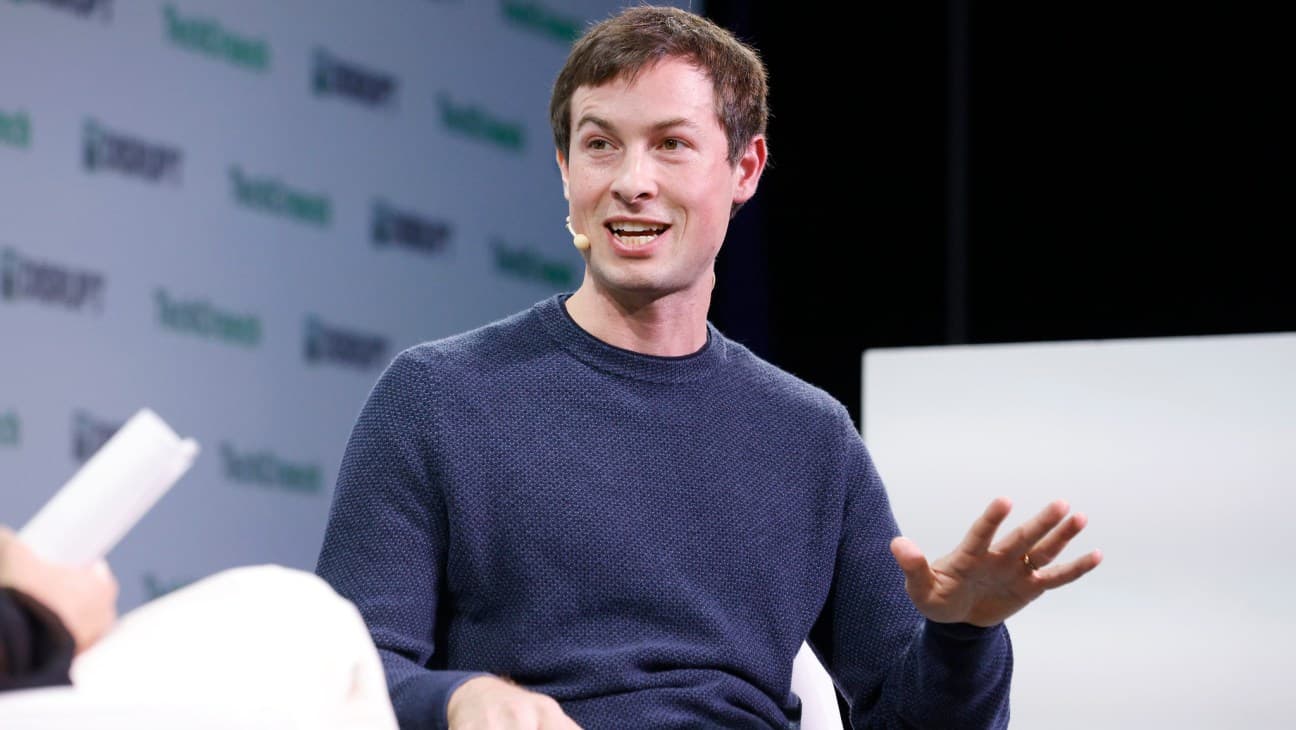
Fifteen years after losing his father to pancreatic cancer, Reed Jobs is channeling personal loss into a calculated gamble on artificial intelligence's ability to revolutionize oncology drug discovery. Yosemite, the venture firm he founded in 2023, has completed the first close of its second fund targeting $350 million—capital earmarked for companies that merge computational biology with novel therapeutic approaches including CRISPR gene editing, protein degradation technology, and non-invasive tumor destruction devices.
The fund's portfolio of approximately 25 companies represents a deliberate bet that AI has matured from speculative tool to operational accelerant in cancer research, particularly for predicting protein structures and designing molecules that target biological mechanisms once considered beyond pharmaceutical reach.
From Academic Labs to Clinical Trials
Yosemite operates with an unusual capital allocation model: one-third of its funds support de novo company creation from academic research, while two-thirds flow to co-investment opportunities. This structure has produced a portfolio spanning multiple frontiers of precision oncology.
Azalea Therapeutics, spun from Nobel laureate Jennifer Doudna's laboratory, is advancing CRISPR-based cancer therapies into clinical development. Quarry Therapeutics employs induced proximity technology—a method that forces disease-causing proteins into contact with cellular degradation machinery—to target proteins historically dismissed as "undruggable." Tune Therapeutics is testing epigenetic editing platforms in hepatitis B trials, aiming to reduce liver cancer risk by modifying gene expression without altering DNA sequences.
The portfolio also includes Histosonics, which uses focused ultrasound histotripsy to mechanically destroy tumors without radiation or surgical incisions—a non-invasive approach that could reshape treatment protocols for solid tumors.
Jobs acknowledges the inherent risk: two portfolio companies have failed due to scientific rather than commercial obstacles. However, this failure rate appears acceptable given oncology's complexity—cancer kills approximately 10 million people annually and represents roughly 40% of global biotech activity.
AI's Transition from Hype to Utility
The fund's 17-person team reports tangible AI acceleration across portfolio companies, particularly in protein structure prediction and molecular design—capabilities that compress timelines for identifying drug candidates. This operational evidence suggests computational tools have crossed a threshold from experimental to essential in modern drug discovery.
Yosemite pairs its investment strategy with an unusual philanthropic component: 2.5% of assets under management plus $1 million annually from management fees flow into a donor-advised fund supporting unrestricted cancer research. This structure acknowledges that breakthrough science often emerges from basic research without immediate commercial application.
Clinical Implications
For healthcare providers, Yosemite's portfolio signals multiple novel treatment modalities entering clinical pipelines over the next 3-7 years. Oncology practices should prepare for precision medicine approaches that target previously inaccessible proteins and employ non-invasive tumor destruction techniques.
The typical oncology drug requires 10-15 years from discovery to approval, meaning Yosemite's portfolio companies face long development timelines before patient impact becomes measurable. However, the fund's willingness to pursue high-risk mechanisms targeting intractable biology suggests these companies are addressing cancers with limited treatment options rather than pursuing incremental improvements to existing therapies.
Whether AI can truly crack cancer's toughest targets remains an open question. Yosemite's $350 million second fund represents a substantial wager that the answer is yes—and that the computational tools now available can accomplish what traditional drug discovery could not.
Sources
Companies in this article

Reporting & accountability
How we maintain accuracy
Health AI Central separates reported facts, analysis, and public-source data. Readers can review our standards, request a correction, or consult the relevant research methodology before relying on a claim.