

How AI is Shaving 10 Minutes Off Every Heart Ultrasound—And Identifying 17 Organs in Milliseconds
Siemens Healthineers unveils real-time artificial intelligence that automates organ detection and accelerates cardiac imaging, signaling a major shift in point-of-care diagnostics.
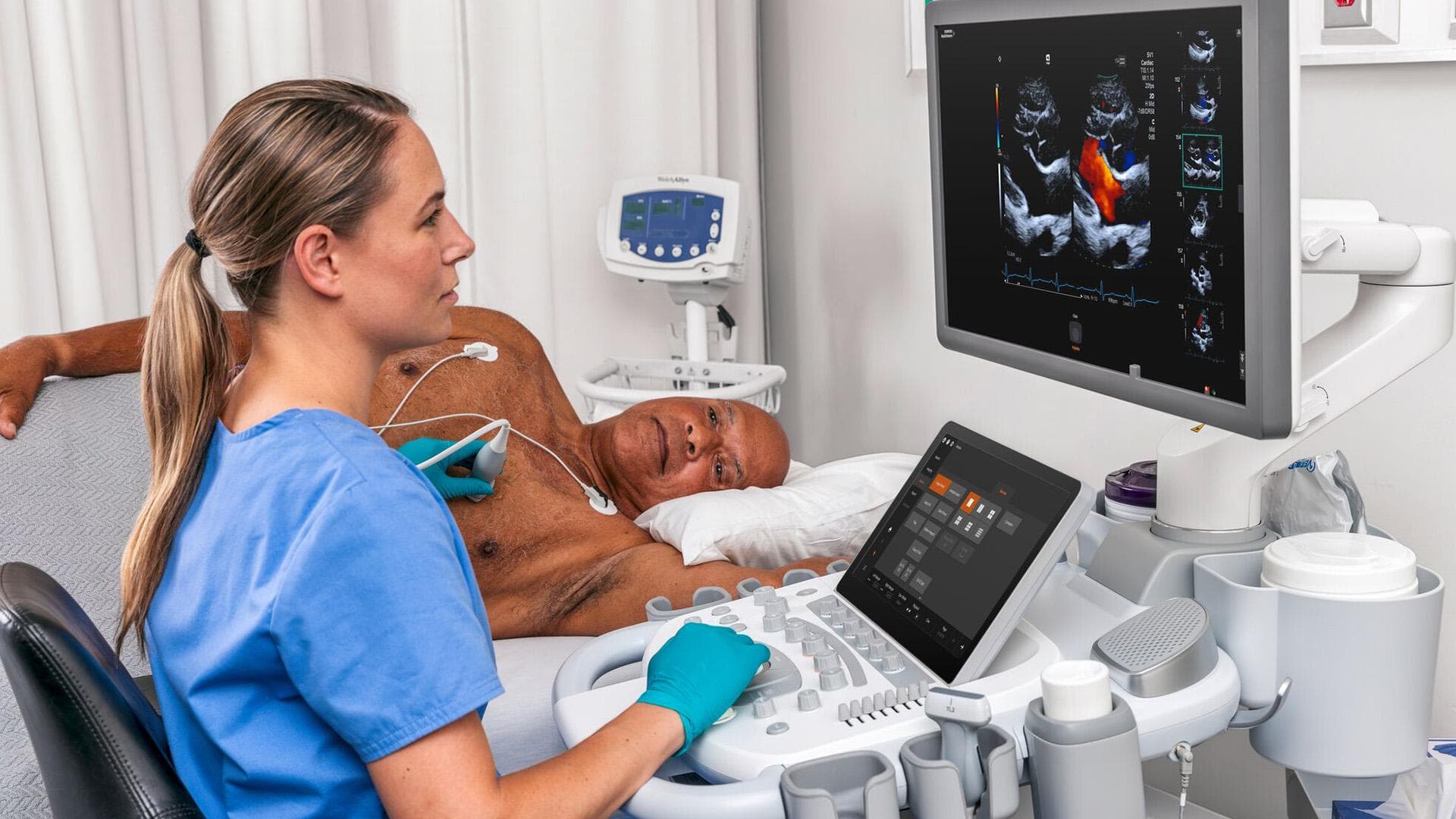
Ultrasound technology is undergoing a transformation that could reshape how quickly and accurately clinicians diagnose patients at the bedside. Siemens Healthineers has introduced real-time AI capabilities that automatically identify 17 abdominal structures in milliseconds and reduce standard echocardiography exam times by up to 10 minutes—advances that address two of ultrasound's most persistent challenges: operator dependency and workflow bottlenecks.
In an interview with Radiology Today, Sourabh Pagaria, Head of Ultrasound at Siemens Healthineers, outlined the company's vision for AI-assisted ultrasound that enhances clinical decision-making while reducing the physical and cognitive strain on sonographers and physicians. The technology represents a significant leap beyond basic image enhancement, embedding intelligence directly into the scanning workflow to guide probe placement, optimize image acquisition, and deliver quantitative assessments in real time.
Automating the Diagnostic Workflow
The core innovation lies in the system's ability to perform automated organ identification across 17 abdominal structures almost instantaneously. This capability addresses a fundamental limitation of traditional ultrasound: its dependence on operator skill and anatomical knowledge. By automatically recognizing and labeling structures as the probe moves across the patient's body, the AI reduces cognitive load on clinicians and increases diagnostic reproducibility—a critical factor as ultrasound expands beyond radiology departments into emergency rooms, primary care clinics, and mobile settings.
The 10-minute reduction in standard echocardiography exams is particularly significant in high-volume settings where imaging backlogs can delay diagnosis and treatment. For cardiac imaging, where precise measurements and multiple views are required, this time savings could translate to examining several additional patients per day without compromising quality. The technology also supports non-invasive liver fat quantification, offering a diagnostic alternative to biopsy for assessing hepatic steatosis—a growing concern as metabolic syndrome and non-alcoholic fatty liver disease rates climb globally.
Competitive Landscape and Market Implications
Siemens Healthineers' push into real-time AI ultrasound intensifies competition with GE HealthCare and Philips, both of which have invested heavily in AI-enhanced imaging platforms. The differentiator here is the emphasis on millisecond-speed organ identification and workflow integration rather than post-processing analysis. As value-based care models increasingly reward efficiency and reproducibility, healthcare systems may prioritize technologies that demonstrably reduce exam times and operator variability.
The technology arrives as point-of-care ultrasound adoption accelerates beyond traditional imaging departments. Emergency physicians, hospitalists, and primary care providers are increasingly using portable ultrasound devices for rapid assessment, but many lack the extensive training of dedicated sonographers. AI guidance that automates organ identification and optimizes image acquisition could lower the skill barrier and expand ultrasound's diagnostic reach into settings where it was previously impractical.
Clinical Practice Implications
For healthcare providers, these AI enhancements address workflow pain points while potentially expanding diagnostic capabilities. Shorter exam times mean higher patient throughput without additional staffing, while automated organ identification may reduce the training time required for new sonographers. The non-invasive liver fat quantification feature could shift some diagnostic pathways away from more expensive or invasive procedures.
Patients stand to benefit from faster exams and potentially earlier diagnoses, particularly in emergency settings where rapid triage is critical. The increased reproducibility of AI-assisted imaging may also reduce the need for repeat scans due to suboptimal image quality—a common challenge in ultrasound practice.
As AI becomes embedded in real-time diagnostic workflows, the question shifts from whether artificial intelligence can enhance medical imaging to how quickly healthcare systems can integrate these tools into daily practice—and what barriers remain to widespread adoption.
Sources:
1. Siemens Healthineers. "Real-time AI tools expand ultrasound's diagnostic and procedural impact." Available at: https://www.siemens-healthineers.com/sk/ultrasound/news-stories/ai-tools-expand-ultrasound-diagnostic-impact
Companies in this article
 Siemens Medical Solutions, IncMalvern, PA, USASiemens Healthineers USA provides advanced medical imaging, laboratory diagnostics, point-of-care testing, and healthcare IT solutions to support clinical decision-making across the healthcare continuum. The company serves hospitals, health systems, laboratories, and outpatient care facilities nationwide.View company profile →
 GE HealthCareChicago, IL, USA · Founded 2023GE HealthCare is a global medical technology company providing imaging systems, ultrasound, patient monitoring, pharmaceutical diagnostics, and AI-powered software solutions. The company serves healthcare providers, payers, and life sciences organizations worldwide with advanced medical devices and digital health platforms.View company profile →
Reporting & accountability
How we maintain accuracy
Health AI Central separates reported facts, analysis, and public-source data. Readers can review our standards, request a correction, or consult the relevant research methodology before relying on a claim.