
AI Slashes Cardiac MRI Analysis Time from Minutes to Seconds While Matching Expert Accuracy
A 27,000-patient study shows artificial intelligence can predict heart disease mortality as well as clinicians in a fraction of the time, though questions remain about real-world implementation.
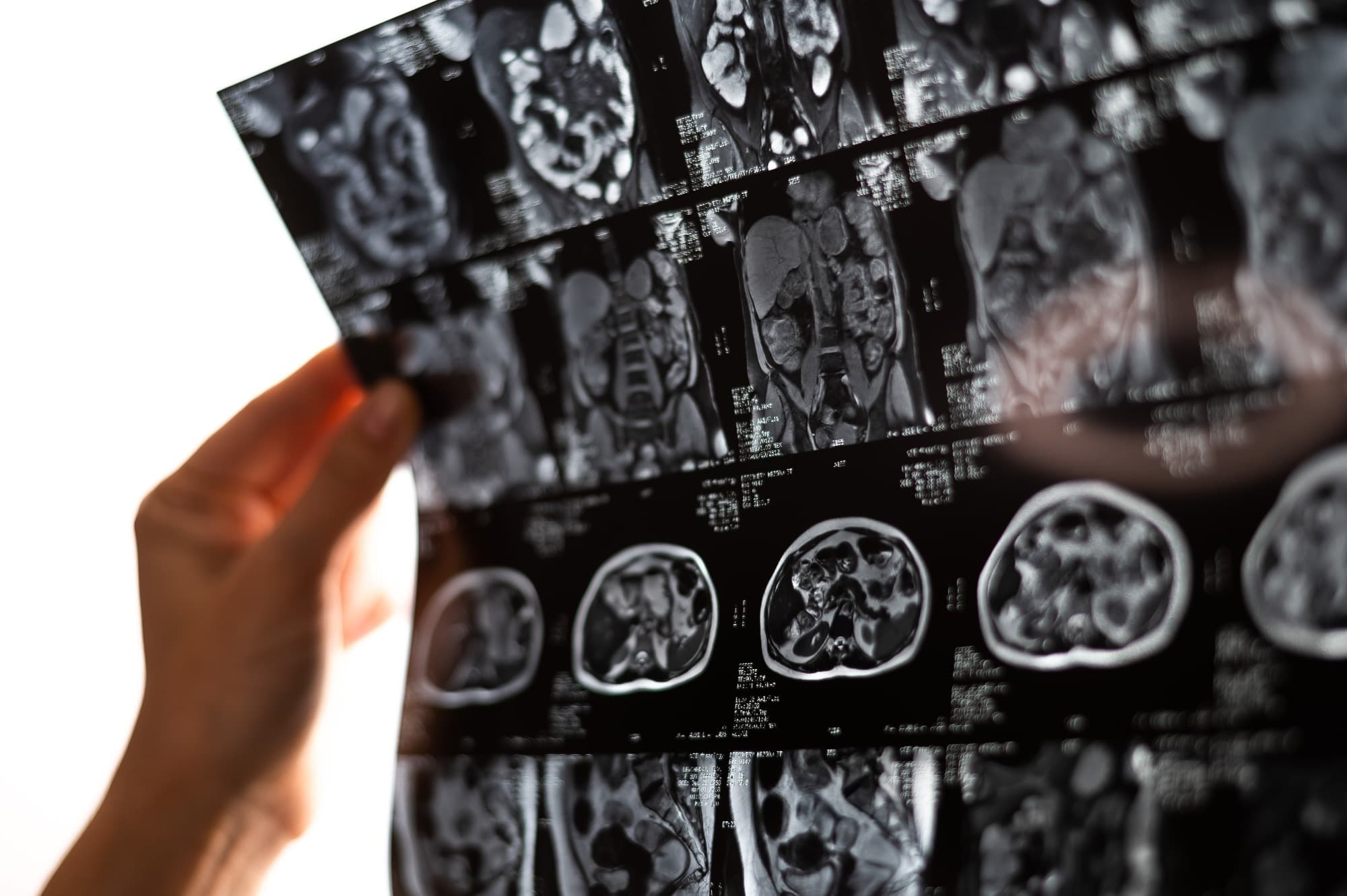
Measuring how well the heart pumps blood—a critical metric called left ventricular ejection fraction—typically requires a cardiologist or radiologist to spend 13 minutes carefully analyzing MRI scans. New research suggests artificial intelligence can do the same job in 3-4 seconds while delivering equal or slightly better predictions of patient survival.
A retrospective study of 27,382 patients published in The Lancet Digital Health found that AI-derived measurements from cardiac MRI scans predicted all-cause mortality marginally better than expert clinician measurements. After adjusting for age and sex, the AI achieved a C-index of 0.781 compared to 0.777 for human experts—a statistically significant but clinically modest difference that researchers say warrants further investigation.
Speed Versus Precision in Cardiac Imaging
The MycardiumAI segmentation algorithm analyzed cardiac MRI scans across two medical centers in the UK and USA, processing each patient's imaging in seconds compared to the median 13 minutes required for manual clinician segmentation. During a median 5.6-year follow-up period, 13% of patients died, providing a substantial dataset for comparing predictive accuracy.
Without age and sex adjustment, the AI's predictive performance showed a more pronounced advantage, achieving a C-index of 0.669 versus 0.637 for clinician measurements. However, the AI consistently measured lower ejection fractions than human experts—a median of 57.8% compared to 62.1%—raising questions about measurement standardization between automated and manual approaches.
A quality check of 600 randomly selected patients revealed a 1% segmentation error rate, with mistakes occurring more frequently at extreme ejection fraction values, particularly very low measurements. The AI showed particular strength in predicting outcomes for patients with obstructive coronary artery disease and non-ischemic cardiomyopathy, while clinician measurements performed slightly better for hypertrophic cardiomyopathy cases.
Clinical Implementation Requires Further Validation
Despite the impressive speed and scale advantages, researchers emphasized that prospective validation is essential before clinical implementation. The study's retrospective design, lack of cause-specific mortality data, and absence of risk calibration assessment represent significant limitations. Additionally, the patient population was predominantly from the UK, and ethnic diversity was not evaluated—factors that could affect the algorithm's generalizability.
Multiple study authors disclosed financial relationships with the company behind MycardiumAI, underscoring the importance of independent validation. The 1% error rate, while low, suggests that continued clinician oversight remains necessary, particularly for patients with extreme measurements or complex cardiac conditions.
For healthcare systems facing radiologist shortages and imaging backlogs, such tools could accelerate diagnostic turnaround times and reduce clinician workload. However, the marginal improvement in mortality prediction raises questions about whether faster, equally accurate analysis will translate to better patient outcomes. Prospective trials showing that AI-assisted cardiac MRI analysis leads to earlier interventions, improved treatment decisions, or better patient survival—not just statistical equivalence with human experts—will be needed to establish clinical value beyond efficiency gains.
Sources
Google Search
Follow Health AI Central on Google
Choose Health AI Central as a preferred source, and Google is more likely to show our reporting in Top Stories.
Reporting & accountability
How we maintain accuracy
Health AI Central separates reported facts, analysis, and public-source data. Readers can review our standards, request a correction, or consult the relevant research methodology before relying on a claim.