

AI Pathology Tool Catches Diagnostic Errors in 5% of Prostate Biopsies in Major NHS Trial
Real-world study across three UK health trusts shows Tempus's AI software reduced turnaround times by nearly a day while prompting clinically significant diagnostic changes in over 1% of cases.
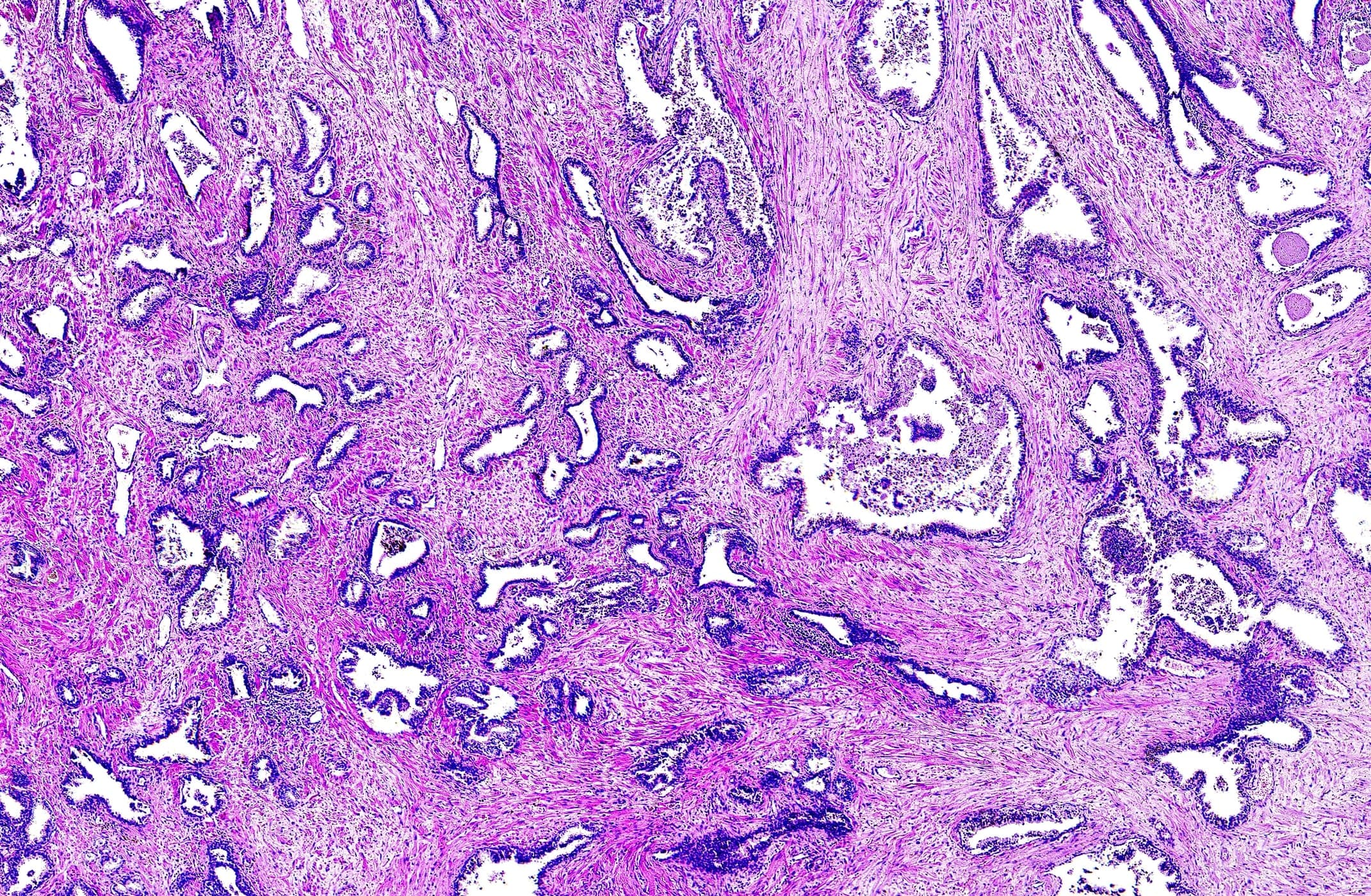
Artificial intelligence is moving from research labs into routine clinical practice, with a new multi-center study demonstrating its potential to catch diagnostic errors that could alter patient treatment. The Articulate Pro study, published in Nature Digital Medicine, found that AI-assisted review of prostate biopsies led pathologists to update their initial diagnoses in 5% of cases—with 1.3% representing changes significant enough to potentially alter clinical management.
The real-world evaluation involved over 1,000 patients across three UK National Health Service pathology laboratories, where Tempus's Paige Prostate Suite was integrated directly into clinical workflows. Beyond improving diagnostic accuracy, the AI system reduced turnaround times by nearly one day compared to standard review processes, addressing a critical bottleneck in overstretched pathology departments.
Real-World Validation in Routine NHS Workflows
The study's design distinguishes it from typical AI validation research. Rather than retrospective analysis of archived samples, Articulate Pro evaluated the technology in real-time clinical settings at Oxford University Hospitals NHS Foundation Trust, North Bristol NHS Trust, and University Hospitals Coventry and Warwickshire NHS Trust.
"This study demonstrates how AI can be successfully integrated into routine pathology workflows to improve both accuracy and efficiency," said Clare Verrill, Professor at the University of Oxford's Nuffield Department of Surgical Sciences and lead researcher. The technology also reduced requests for additional immunohistochemistry staining—a costly and time-consuming supplementary test—suggesting potential resource optimization for laboratories operating under budget constraints.
The Paige Prostate Suite holds regulatory clearances including FDA authorization, CE marking, and UKCA marking for certain clinical applications.
Competitive Implications for AI Pathology Market
For Tempus, the NHS deployment represents a significant validation milestone in the increasingly competitive computational pathology market. Razik Yousfi, Senior Vice President and General Manager of AI Products at Tempus, emphasized the importance of demonstrating value in real-world settings rather than controlled research environments.
The study's findings establish a benchmark against which competing platforms from PathAI, Proscia, Ibex Medical Analytics, and other vendors will be measured. Successful integration into NHS workflows—notoriously challenging for new technologies—addresses a critical adoption barrier for health systems evaluating AI pathology solutions globally.
Clinical Impact and Next Steps
For patients, the technology offers dual benefits: faster results and improved diagnostic consistency. The nearly one-day reduction in turnaround time can accelerate treatment planning, while diagnostic corrections in 1.3% of cases represent potentially significant interventions for those individuals.
The study adds to growing evidence that AI can serve as an effective quality assurance layer in pathology, catching errors that might otherwise go undetected until later in the treatment process. As digital pathology adoption accelerates and regulatory pathways for AI diagnostic tools mature, real-world validation studies like Articulate Pro will likely become the standard for demonstrating clinical utility and justifying reimbursement.
Sources
Companies in this article
 TempusChicago, IL, USA · Founded 2015Tempus AI applies artificial intelligence to clinical and molecular data to advance precision medicine, helping physicians make data-driven decisions for personalized patient care.View company profile →
 PathAIBoston, MA, USA · Founded 2016PathAI improves patient outcomes with AI-powered pathology technology, offering insights for biomarker discovery, drug development, and enhanced laboratory workflows.View company profile →
 ProsciaPhiladelphia, PA, USA · Founded 2014Proscia provides digital and computational pathology solutions that help pathologists work more efficiently and accurately in cancer diagnosis.View company profile →
 Ibex Medical AnalyticsTel Aviv, Israel · Founded 2016Ibex Medical Analytics develops AI-powered cancer diagnostics for pathology labs, improving accuracy and efficiency in cancer detection.View company profile →
Reporting & accountability
How we maintain accuracy
Health AI Central separates reported facts, analysis, and public-source data. Readers can review our standards, request a correction, or consult the relevant research methodology before relying on a claim.