

When AI Chatbots Aren't Enough: Why Two-Thirds of Teens Still Need More Mental Health Help
A survey of 24,000 English adolescents reveals that while half found AI mental health support helpful, most users—especially vulnerable youth—still sought additional care.
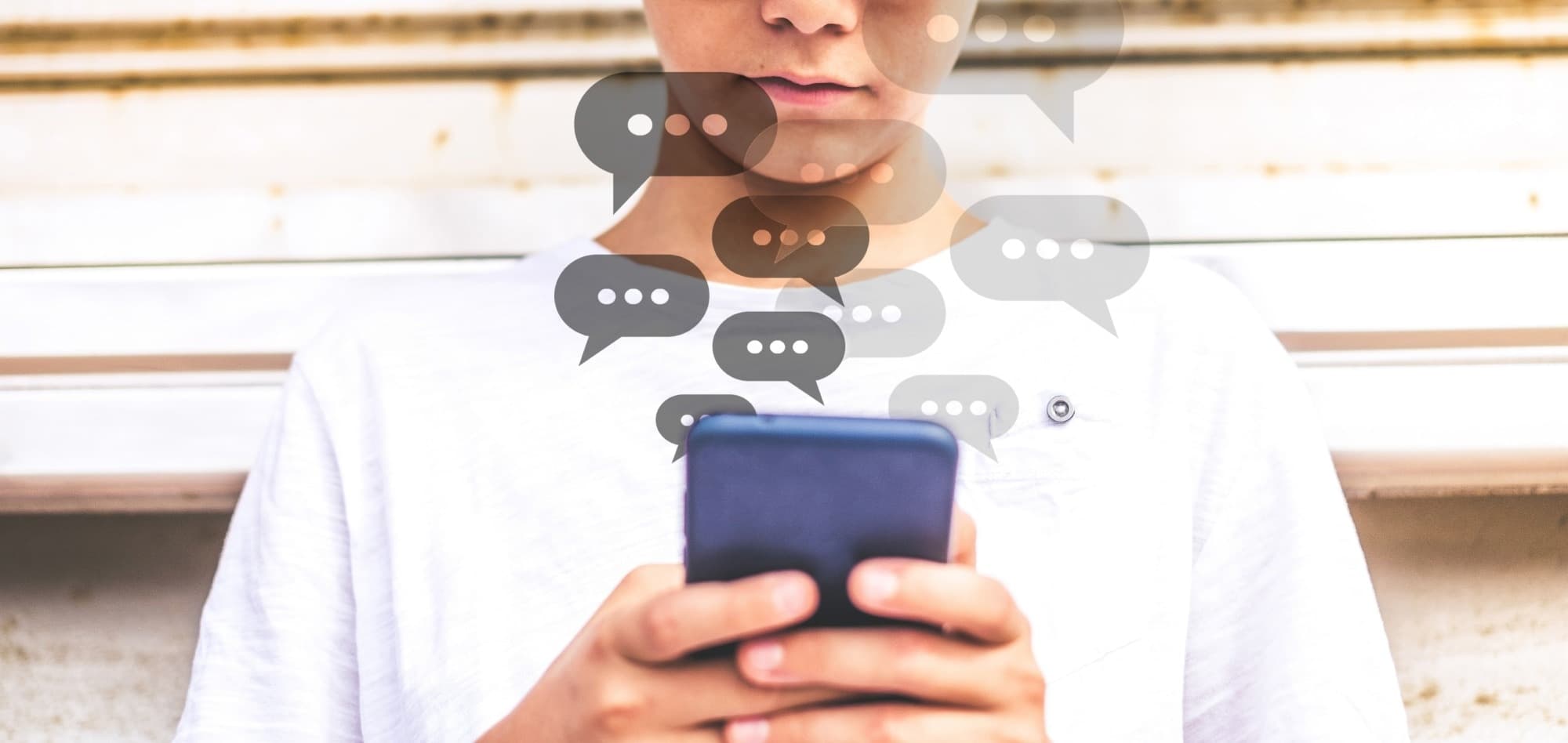
Artificial intelligence chatbots are emerging as a mental health resource for teenagers, but new research suggests these tools may be creating expectations they cannot fulfill. According to a study published in npj Mental Health Research, 63.2% of adolescents who turned to general-purpose AI platforms for mental health support still wanted additional help, raising questions about the role and limitations of AI in youth mental healthcare.
The cross-sectional survey, conducted between February and May 2025, examined 24,132 students from secondary schools and further education colleges in England as part of the OxWell Student Survey. Researchers found that 662 students—2.7% of the sample—had used general-purpose AI or large language model platforms for mental health support in the past year.
A Supplementary Tool, Not a Replacement
While 55.9% of users who rated their experience found AI chatbots helpful, the findings suggest these platforms function primarily as supplements rather than substitutes for traditional care. An overwhelming 92.1% of AI users also accessed other forms of mental health support, and 46.1% had engaged with formal mental health services.
Only a small fraction—7.9% of AI users, or 52 adolescents—relied solely on AI without any other support. An additional 57 students used AI alongside online resources but no offline support, bringing the total of those without traditional support to 16.5% of AI users.
The gap between perceived helpfulness (55.9%) and the proportion wanting additional support (63.2%) suggests that while AI chatbots may provide some value, they leave significant clinical needs unaddressed for many users.
Vulnerable Youth Turning to AI
The study revealed that AI mental health chatbot use was concentrated among some of the most vulnerable adolescent populations. Transgender and gender-diverse youth showed elevated rates of AI use, as did students with frequent food insecurity, higher depression and anxiety symptoms, previous self-harm history, frequent loneliness, and occasional bullying experiences.
Adolescents from Asian or Asian British ethnic backgrounds also demonstrated higher rates of AI mental health support use compared to other demographic groups. The mean age of survey participants was 14.0 years.
Lead researchers Okechukwu, Bear, Fazel, and Soneson conducted the study primarily in Oxfordshire and Liverpool, capturing a snapshot of how general-purpose AI platforms—not specifically designed for mental health intervention—are being adopted by young people seeking psychological support.
Implications for Healthcare and Technology
The findings raise important questions for healthcare providers, technology developers, and families. For clinicians, the data suggest a need to proactively discuss AI chatbot use with adolescent patients, particularly those in high-risk groups. The fact that general-purpose AI platforms lack clinical oversight and crisis intervention capabilities is especially concerning given their use among adolescents with self-harm history and active mental health symptoms.
For AI companies, the 2.7% adoption rate indicates limited market penetration but identifies specific demographic segments that may be turning to these technologies. The high rate of unmet needs despite perceived helpfulness suggests that responsible development must account for the gap between user satisfaction and actual clinical adequacy.
The study underscores that AI mental health chatbots should not be considered standalone interventions for adolescents, particularly those at elevated risk. While these tools may offer accessible first-line support, the majority of young users still require—and actively seek—additional mental health resources.
Sources
Google Search
Follow Health AI Central on Google
Choose Health AI Central as a preferred source, and Google is more likely to show our reporting in Top Stories.
Reporting & accountability
How we maintain accuracy
Health AI Central separates reported facts, analysis, and public-source data. Readers can review our standards, request a correction, or consult the relevant research methodology before relying on a claim.