

Utah Hospital Deploys AI-Enhanced MRI That Slashes Scan Times and Eliminates Breath-Holds
Intermountain Medical Center becomes second U.S. site to install GE HealthCare's AI-powered imaging system that improves cardiac diagnostics while boosting patient throughput.
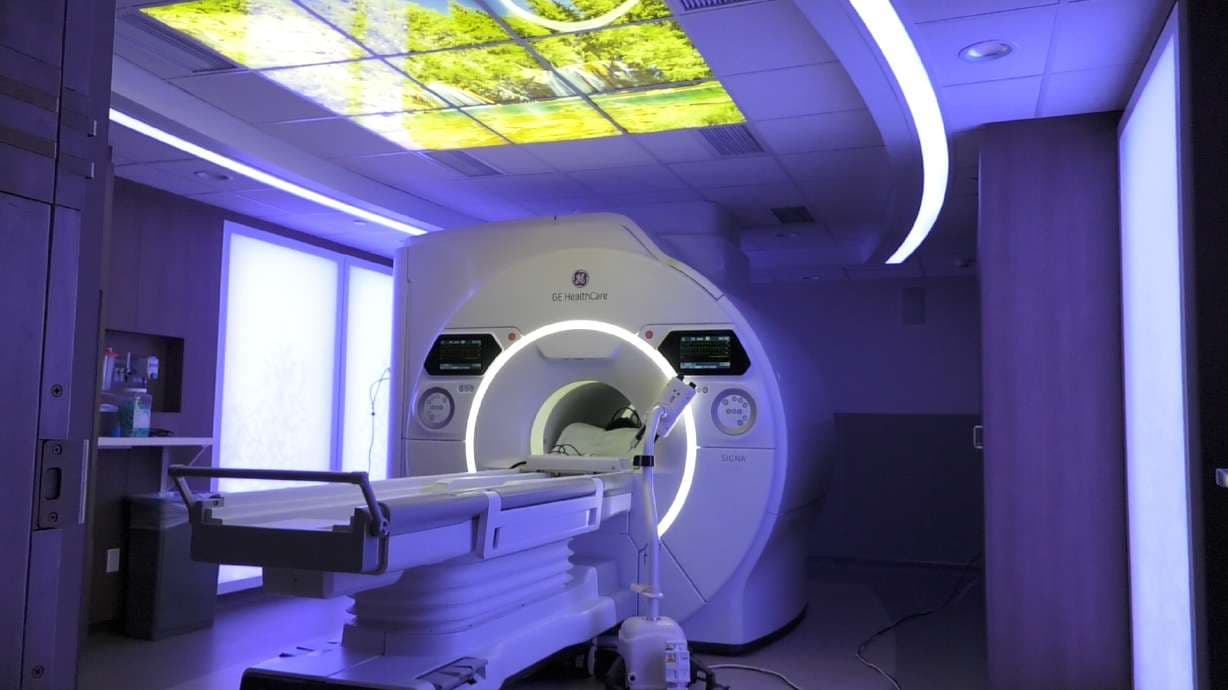
Intermountain Medical Center in Murray, Utah has installed an AI-powered MRI system that promises to reshape cardiac and cancer imaging by simultaneously reducing scan times and improving image quality. The facility is only the second U.S. hospital to deploy GE HealthCare's Signature Sprint Elite MRI, a system that leverages artificial intelligence to address longstanding challenges in diagnostic imaging workflow and patient comfort.
AI Algorithms Enhance Image Quality While Cutting Scan Duration
The Signature Sprint Elite MRI distinguishes itself through integrated AI software that improves the signal-to-noise ratio during image acquisition. According to the report, this technological advancement produces clearer images while requiring less time in the scanner, addressing two critical bottlenecks that have historically constrained MRI departments.
For cardiac patients, the system eliminates the need for extended breath-holds during scanning—a requirement that has traditionally limited access for patients with respiratory compromise. Dr. Brent Wilson, a cardiologist at Intermountain Health, noted that the technology enables improved mapping of injured heart tissue, a capability particularly relevant for cardiac diagnostics.
Amy Warnick, MRI coordinator at the facility, reported immediate observable improvements in both image quality and patient comfort following deployment. The system is being utilized for both cardiac imaging and cancer patient diagnostics, two high-volume clinical applications where image clarity directly impacts treatment decisions.
Limited U.S. Rollout Suggests Controlled Market Introduction
Intermountain Medical Center's installation represents a notably restricted deployment pattern for the technology. The facility is the second U.S. site to receive the system, following an initial installation in Virginia, with one additional deployment reported in Belgium. This limited rollout suggests GE HealthCare may be pursuing a controlled market introduction strategy, potentially gathering real-world clinical evidence before broader commercialization.
Joel Christensen from GE HealthCare emphasized the system's potential to support timely clinical decision-making for serious conditions, framing the technology as addressing urgent diagnostic needs in cardiology and oncology departments.
Operational and Patient Experience Implications
The dual benefits of reduced scan times and improved image quality carry significant operational implications for healthcare facilities. Faster scanning enables higher patient throughput, potentially reducing wait times for diagnostic imaging appointments. For MRI departments operating at capacity, this efficiency gain could translate directly into expanded access without additional capital investment in scanner quantity.
From a patient experience perspective, eliminating breath-hold requirements removes a significant barrier to MRI compliance, particularly for elderly patients or those with cardiopulmonary conditions. Shorter overall scan times also reduce patient anxiety and discomfort associated with extended periods in the confined scanner environment.
The technology represents GE HealthCare's approach of embedding AI directly into imaging hardware rather than offering standalone post-processing software—a strategy that integrates artificial intelligence at the point of image acquisition rather than as an aftermarket enhancement.
Sources
Companies in this article

Reporting & accountability
How we maintain accuracy
Health AI Central separates reported facts, analysis, and public-source data. Readers can review our standards, request a correction, or consult the relevant research methodology before relying on a claim.