

Telehealth Giant Teladoc Abandons Fee-Per-Visit Model in Bold Bet on Outcomes-Based Payment
The virtual care leader is shifting to risk-based contracts that tie reimbursement to clinical results, signaling the industry's evolution beyond pandemic-era transactional telehealth.
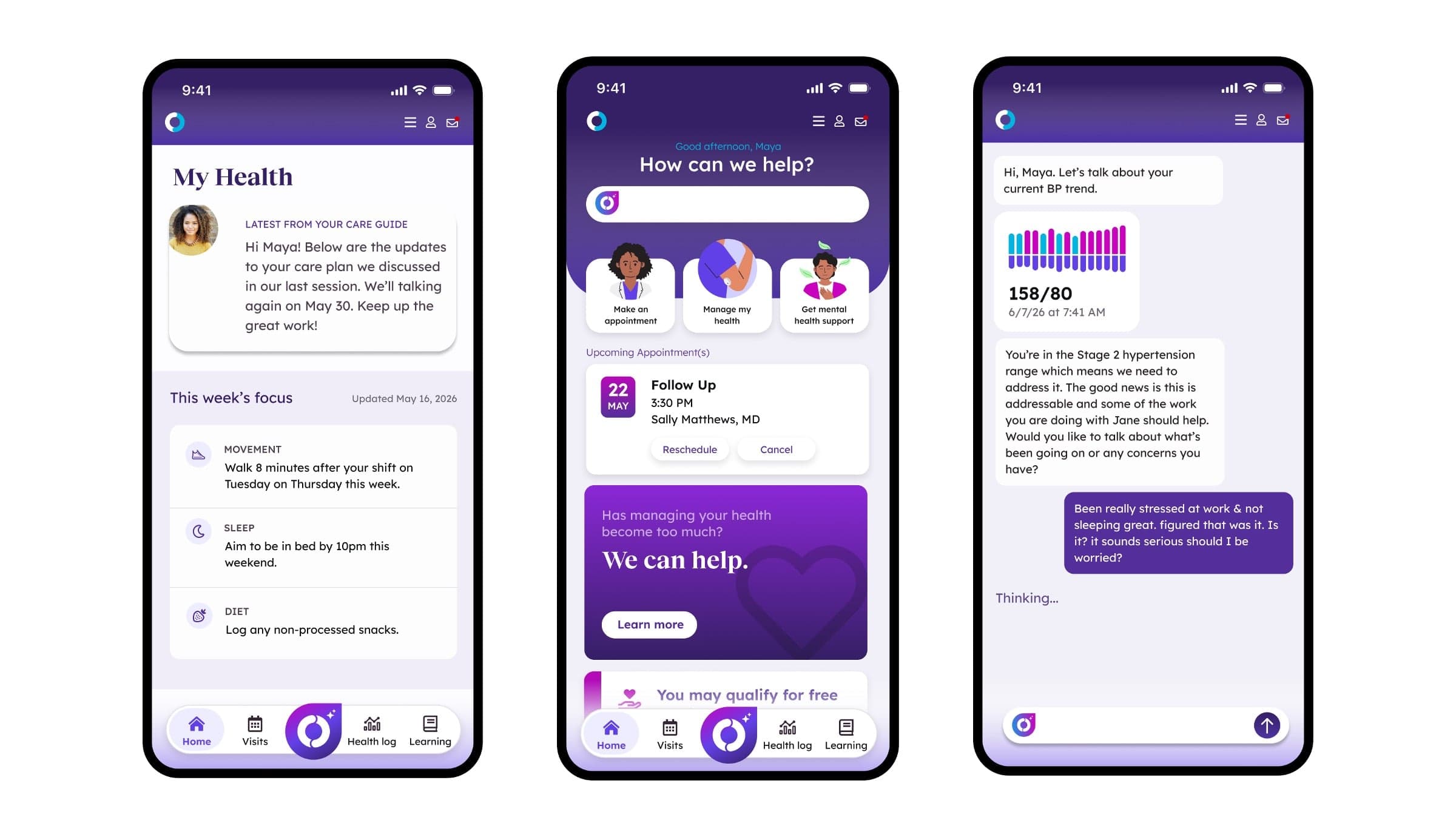
The telehealth industry is undergoing a fundamental business model transformation, and Teladoc Health is leading the charge. The virtual care giant has unveiled a new value-based payment model for employers and health plans that abandons traditional fee-for-service structures in favor of outcomes-based reimbursement—a strategic pivot that could reshape how digital health platforms compete and deliver care.
Under the new model, Teladoc's compensation will be directly tied to clinical and financial results rather than visit volume, marking a significant departure from the transactional telehealth approach that dominated during the pandemic. The company is betting that coordinated, personalized virtual care can deliver measurable population health improvements while creating more sustainable economics for payers and employers.
From Volume to Value: What's Driving the Shift
Teladoc's move reflects broader market pressures facing the telehealth sector as it matures beyond pandemic-era growth. Employers and health plans increasingly demand demonstrable return on investment from their digital health vendors, not just convenient access to on-demand video visits. By accepting risk-based contracts, Teladoc is aligning its financial incentives with payer goals around cost containment and quality outcomes.
The model emphasizes care coordination and longitudinal patient relationships rather than episodic encounters—a fundamental shift in how virtual care platforms operate. This approach positions Teladoc to manage chronic conditions, preventive care, and population health initiatives that require sustained engagement rather than one-off consultations.
For the company, success hinges on robust data infrastructure, accurate risk adjustment methodologies, and care delivery protocols that can consistently achieve contractual benchmarks. If executed effectively, the model could improve margins while differentiating Teladoc from competitors still operating on volume-based pricing.
Competitive Implications Across the Virtual Care Landscape
Teladoc's strategic repositioning creates immediate pressure on rival platforms including Amwell, MDLive, and Doctor on Demand to develop comparable value-based offerings or risk losing enterprise contracts. Traditional health systems expanding virtual care capabilities may find their existing value-based care expertise gives them an advantage in this new competitive environment.
The shift also challenges emerging AI-native care navigation platforms that promise superior outcomes through algorithmic triage and personalized care pathways. Teladoc's scale and established payer relationships provide advantages, but the company must prove its care coordination capabilities can deliver on outcomes promises.
For employers and health plans, the model offers potential cost predictability and vendor accountability—assuming contracts include appropriate risk corridors and quality measures that genuinely reflect patient outcomes rather than easily gamed process metrics.
What This Means for Patients and Providers
If financial incentives successfully reshape provider behavior, patients may benefit from improved care coordination, proactive outreach for preventive services, and more personalized treatment plans. The model could reduce fragmentation between virtual and in-person care while encouraging continuous rather than episodic engagement.
However, outcomes-based payment also introduces potential risks. Providers might avoid complex, high-risk patients who threaten performance benchmarks, or focus narrowly on measured metrics while neglecting unmeasured aspects of care quality. The success of Teladoc's model will ultimately depend on thoughtful contract design that balances accountability with appropriate risk adjustment and comprehensive quality measurement.
As telehealth transitions from pandemic necessity to permanent care delivery channel, Teladoc's value-based gambit represents a critical test of whether virtual platforms can evolve beyond convenient access to become accountable partners in population health management.
Sources
Companies in this article
 Teladoc HealthNew York, NY, USA · Founded 2002Teladoc Health is a global leader in virtual care, offering primary care, mental health, and chronic condition management services to patients worldwide.View company profile →
 AmwellBoston, MA, USA · Founded 2006Amwell provides payers and healthcare systems with a single technology-based care platform, helping people get easier access to care.View company profile →
 MDLiveMiramar, FL, USA · Founded 2009MDLIVE is a virtual healthcare platform offering primary care, dermatology, and mental health services to patients nationwide.View company profile →
 Doctor on DemandDoctor On Demand provides 24/7 telehealth services including urgent care, mental health therapy, online psychiatry, and virtual primary care. The platform connects patients with board-certified clinicians for conditions ranging from cold & flu to ADHD and depression, accepting most insurance plans with visits potentially costing $0.View company profile →
Reporting & accountability
How we maintain accuracy
Health AI Central separates reported facts, analysis, and public-source data. Readers can review our standards, request a correction, or consult the relevant research methodology before relying on a claim.