

Consumer Smartwatch Achieves 94% Accuracy in Sleep Apnea Detection, Challenging Traditional Diagnostic Pathways
Stanford validation study shows Samsung Galaxy Watch 6 matched gold-standard sleep lab testing across 147 participants, with perfect accuracy in high-risk patients.
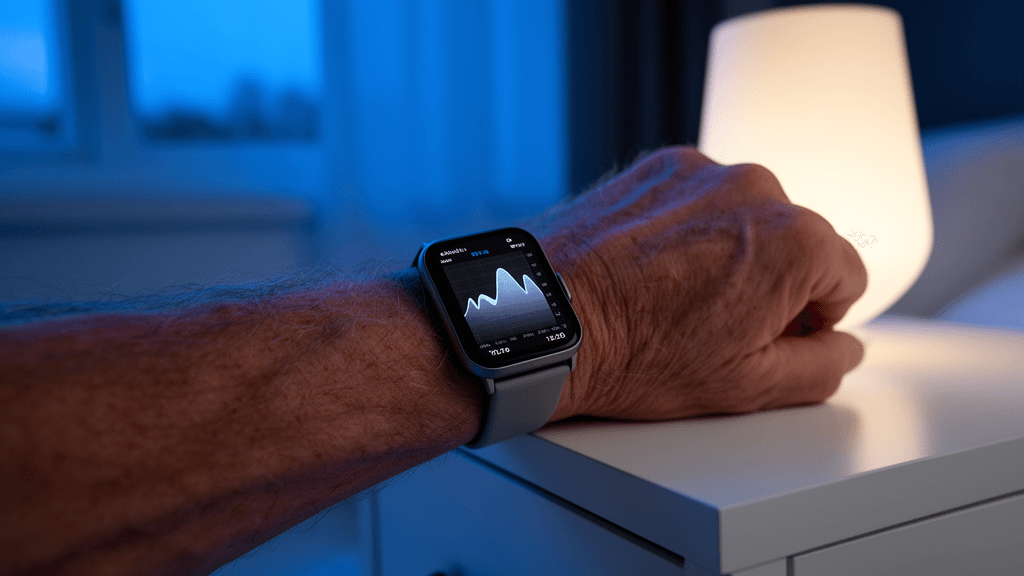
A Stanford University study has demonstrated that a widely available consumer smartwatch can screen for obstructive sleep apnea with accuracy approaching clinical-grade equipment, potentially offering millions of undiagnosed patients a pathway to life-saving treatment through technology they already wear on their wrists.
Published in the Journal of Clinical Sleep Medicine, the research found that the Samsung Galaxy Watch 6 achieved 94% sensitivity and 67% specificity in detecting moderate-to-severe obstructive sleep apnea when validated against polysomnography—the gold-standard diagnostic test—across 147 participants. Perhaps most striking, the device demonstrated perfect 100% sensitivity and specificity in high-risk individuals with elevated hypoxic burden, suggesting consumer wearables could effectively triage patients most urgently needing formal evaluation.
From Fitness Tracker to Clinical Screening Tool
The study enrolled 147 adults with an average age of 54 who wore the Samsung Galaxy Watch 6 during two nights of in-laboratory polysomnography at Stanford Health Care Sleep Medicine Center, followed by three additional nights of monitoring at home. This multi-night, real-world validation approach distinguishes the research from single-night laboratory studies that may not capture the variability of sleep-disordered breathing.
The smartwatch's Sleep Apnea Feature uses photoplethysmography (PPG) sensors and accelerometer data analyzed by machine learning algorithms to detect respiratory events. Dr. Robson Capasso, professor of otolaryngology and head and neck surgery at Stanford University and the study's principal investigator, led the research in collaboration with the American Academy of Sleep Medicine community.
Lead author Arash Alavi, PhD, director of software engineering at Stanford University's Deep Data Research Center, developed the validation methodology that tested the algorithm against both apnea-hypopnea index (AHI) and hypoxic burden measurements across multiple nights.
Addressing a Massive Diagnostic Gap
The clinical significance extends beyond the technology itself. According to the American Academy of Sleep Medicine, untreated obstructive sleep apnea increases risk of stroke, heart attacks, depression, and motor vehicle accidents—yet the majority of moderate-to-severe cases remain undiagnosed. Traditional sleep studies require specialized laboratory facilities, overnight stays, and significant healthcare resources, creating bottlenecks that leave millions of at-risk individuals without evaluation.
The high sensitivity of the smartwatch screening makes it particularly suitable for ruling out low-risk individuals and prioritizing referrals for those most likely to have clinically significant disease. For healthcare providers facing capacity-constrained sleep laboratories, validated consumer wearables offer a scalable triage mechanism that could redirect resources toward patients with the highest clinical need.
Competitive Implications and Limitations
Samsung's validation establishes a clinical benchmark that creates competitive pressure for Apple, Fitbit/Google, Garmin, and other wearable manufacturers to pursue similar polysomnography-validated studies. The perfect performance in patients with high hypoxic burden suggests that integrating oxygen saturation monitoring with respiratory event detection creates differentiated clinical value beyond simple event counting.
However, patients must understand that positive screening results require confirmation via formal sleep study before treatment initiation. The device is not FDA-cleared as a diagnostic tool, and the study received financial support and materials from Samsung Electronics Co. Ltd. Dr. Capasso disclosed serving on the Scientific Advisory Board for Restera Medical.
The research positions consumer wearables as potential first-line screening tools that could transform how millions of smartwatch owners access evaluation for a life-threatening condition—without additional cost or behavior change beyond wearing the device they already own.
Sources
Companies in this article

Reporting & accountability
How we maintain accuracy
Health AI Central separates reported facts, analysis, and public-source data. Readers can review our standards, request a correction, or consult the relevant research methodology before relying on a claim.