

Stockholm Replaces Human Radiologists with AI in Massive Breast Cancer Screening Overhaul
Sweden's capital region will deploy artificial intelligence as an independent second reader across 250,000 annual mammograms following a landmark study showing 15% higher cancer detection and dramatic efficiency gains.
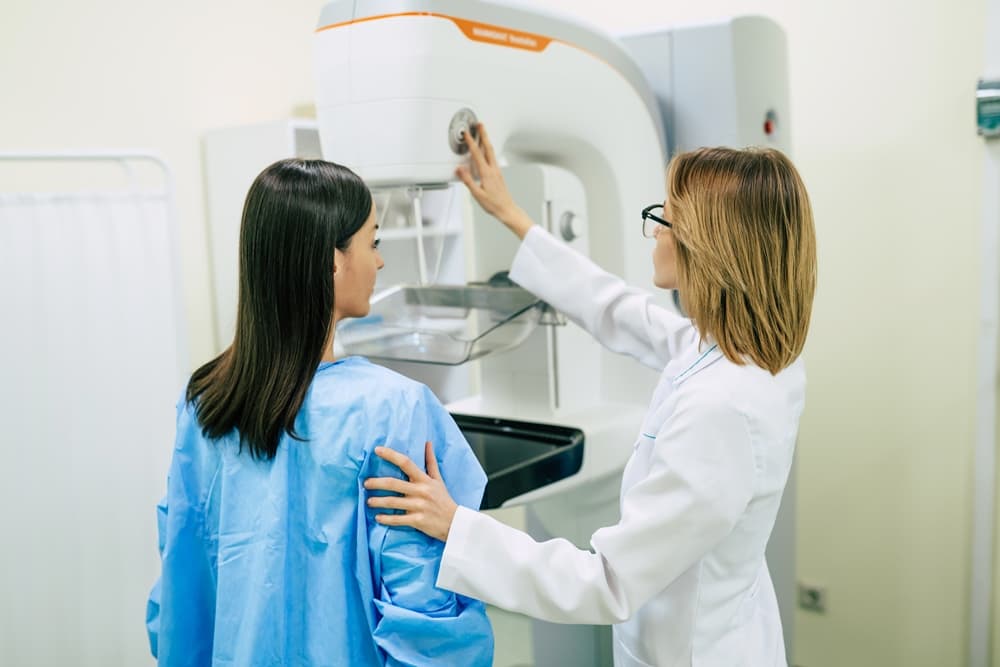
Stockholm Region is embarking on one of Europe's largest deployments of artificial intelligence in breast cancer screening, rolling out Lunit INSIGHT MMG as an independent AI second reader across its entire mammography programme. The system will analyze 200,000–250,000 breast scans annually at three major hospitals—Capio St Göran Hospital, Karolinska University Hospital, and Södersjukhuset—effectively replacing the traditional model of having two radiologists review each scan.
The expansion follows a five-year prospective clinical study at Capio St Göran Hospital that screened more than 55,000 women and demonstrated compelling real-world performance. According to data from the 2021–2022 screening cohort presented at a 2024 radiology conference, the AI system achieved a 15% increase in cancer detection rates while simultaneously reducing radiologist reading time by 36%. The efficiency gains were attributed in part to the AI's ability to flag normal scans, allowing radiologists to focus attention on cases requiring closer examination.
From Research to Regional Scale
The Stockholm deployment represents a significant maturation of AI-assisted breast screening from experimental technology to operational infrastructure. Capio St Göran Hospital initiated the ScreenTrustCAD prospective study five years ago and subsequently signed a commercial contract with Lunit in 2023. Over three years of operational use, the hospital has processed approximately 200,000 cases, providing extensive real-world validation of the system's performance.
Dr. Karin Dembrower of Capio St Göran Hospital has been a key researcher in the clinical validation work. The technology partner Sectra, an imaging IT company, is collaborating on the region-wide deployment to integrate the AI system with existing mammography infrastructure across the three hospitals.
Addressing Workforce Shortages While Improving Detection
The shift to AI-assisted reading directly addresses critical radiologist workforce shortages while potentially improving diagnostic outcomes. The 36% reduction in reading time could enable existing radiologists to expand screening capacity without proportional staffing increases or redirect their expertise toward more complex cases requiring human judgment.
For the approximately 200,000–250,000 women who undergo breast screening in Stockholm Region annually, the deployment promises both higher cancer detection rates and maintained or reduced wait times—a combination difficult to achieve through workforce expansion alone.
European Momentum for AI Mammography
Stockholm's deployment marks the second region-wide Swedish implementation of AI breast screening, following Dalarna County's adoption in June 2024. The technology has also been deployed in Valencia, Spain's regional screening programme, suggesting growing European acceptance of AI as a standard component of population-level breast cancer detection.
Lunit INSIGHT MMG holds FDA clearance in the United States, CE marking in the European Union, and regulatory approval in more than 35 countries. The South Korean developer's progression from single-hospital research studies to multi-regional commercial deployments establishes a pathway other AI diagnostic companies are likely to follow as they seek to move from pilot projects to population-scale adoption.
The Stockholm implementation will provide further evidence on whether AI can maintain its performance advantages across different mammography systems, patient populations, and operational contexts—critical questions for health systems worldwide considering similar deployments.
Sources
Companies in this article
 LunitSeoul, Gangnam-gu, South KoreaLunit develops medical AI software for cancer screening and precision oncology. The company's solutions include AI-powered imaging analysis for mammography, chest X-rays, and digital pathology, serving radiologists, oncologists, and biopharma partners globally.View company profile →
 SectraSectra provides enterprise imaging IT solutions for healthcare, specializing in medical imaging PACS, digital pathology, and orthopaedics. The company serves over 2,500 sites globally and has been recognized as Best in KLAS for customer satisfaction for 13 consecutive years.View company profile →
Reporting & accountability
How we maintain accuracy
Health AI Central separates reported facts, analysis, and public-source data. Readers can review our standards, request a correction, or consult the relevant research methodology before relying on a claim.