

State Sandbox or Federal Blind Spot? Utah's AI Prescription Experiment Races Ahead Without Clear FDA Authority
Four companies now renew—and in one case write new—prescriptions using artificial intelligence under temporary Utah regulatory relief, while federal oversight jurisdiction remains undefined and medical boards raise safety alarms.
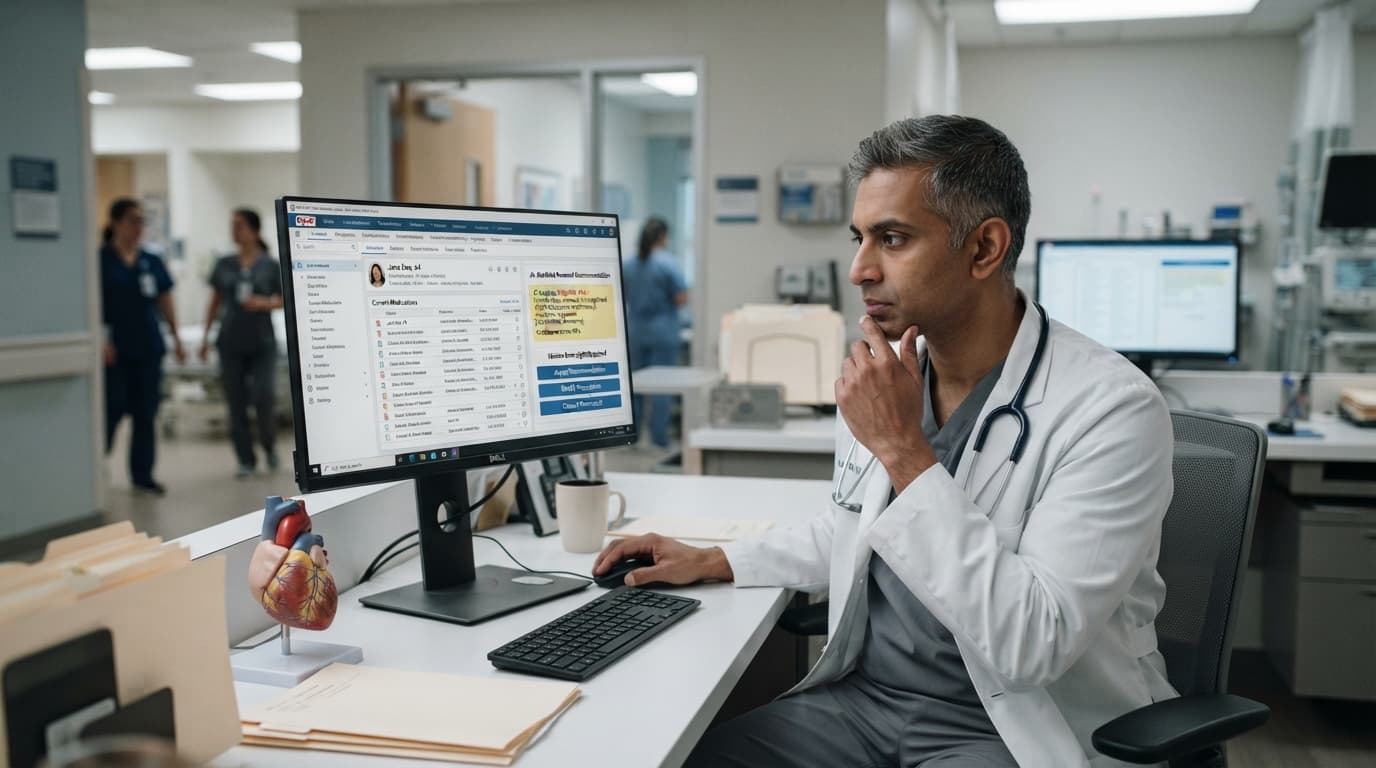
Utah has become the testing ground for a controversial healthcare experiment: artificial intelligence systems that can renew prescriptions for chronic conditions and, in at least one case, write entirely new prescriptions—all without clear federal Food and Drug Administration oversight. Four companies are now operating under temporary regulatory relief granted by the state's Office of Artificial Intelligence Policy, offering prescription services for as little as $4 to $4.99 while fundamental questions about regulatory authority remain unanswered.
The development comes as the U.S. Department of Health and Human Services released a roadmap in November 2024 to accelerate clinical AI adoption through state regulatory sandboxes. However, the document does not clarify whether the FDA has jurisdiction over these AI prescribing pilots, creating a regulatory gray zone that has alarmed some medical professionals even as it attracts health tech innovators.
Four Companies, Four Models—One Regulatory Question
Doctronic, Legion Health, August AI, and Nolla Health are now operating under Utah's experimental framework, each with distinct approaches to AI-assisted prescribing. Doctronic's pilot, approved in October 2025 and publicly announced January 6, 2026, covers 192 common chronic medications excluding controlled substances. The system recommended renewal in 72% of cases, with physicians agreeing 91% of the time. Physicians judged approximately 33% of human-referred cases as overly cautious, suggesting the AI may err on the side of caution.
Legion Health received approval in April 2025 for a 12-month pilot refilling psychiatric medications, while August AI offers chronic medication renewals at $4 per refill. Most notably, Nolla Health—approved October 5, 2025—claims to be the first in the U.S. to receive clearance for AI to write new prescriptions, specifically for acne treatments selected from a physician-approved list, at $4.99 per month.
The Utah Office of Artificial Intelligence Policy, launched in 2024 and headed by Zach Boyd, grants temporary regulatory relief in exchange for monthly reports and retains authority to modify or terminate pilots. Companies must disclose AI use to patients, carry malpractice insurance, maintain 24-hour incident response plans, and mark AI-generated prescriptions. As of the latest update, no serious incidents have been reported, though two medications (butalbital and flecainide) were removed from Doctronic's approved list.
Medical Boards Push Back, Federal Silence Persists
Not everyone welcomes the innovation. The Utah Medical Licensing Board requested a halt to the Doctronic pilot in April, citing patient safety concerns and lack of consultation with the board during pilot design. The state AI office declined to stop the program but committed to establishing safety benchmarks. A third-party review identified potential vulnerabilities under deliberate misuse, though details were not specified.
The HHS roadmap proposes a "better than today" safety standard, risk-based rules, outcomes-based payments, improved data sharing, post-market monitoring, and liability clarification—though notably not resolution. State sandbox partnerships are encouraged, but the document leaves the critical question of FDA oversight authority unaddressed.
Doctronic is already in expansion talks with Arizona, Missouri, Texas, and Wyoming, suggesting the Utah model may spread before federal regulatory clarity emerges. This creates a complex landscape for healthcare providers navigating scope of practice questions, patients seeking accountability if AI errors cause harm, and health tech companies balancing market opportunity against compliance risk.
The $4-$5 price point establishes a direct-to-consumer model that could disrupt traditional telemedicine economics, but the absence of clear federal oversight means the regulatory foundation beneath this emerging market remains uncertain.
Sources
Companies in this article

Follow Health AI Central
Keep up with health AI where you already read
On LinkedIn
The day’s strongest health AI stories in your feed, one or two each weekday.
On Google
Choose Health AI Central as a preferred source, and Google is more likely to show our reporting in Top Stories.
Reporting & accountability
How we maintain accuracy
Health AI Central separates reported facts, analysis, and public-source data. Readers can review our standards, request a correction, or consult the relevant research methodology before relying on a claim.