

RadNet Wins FDA Nod for AI That Automates Breast Ultrasound Analysis From Detection to Report
The imaging giant's newly cleared artificial intelligence platform promises to streamline three critical steps in breast ultrasound interpretation, addressing workflow bottlenecks in women's imaging.
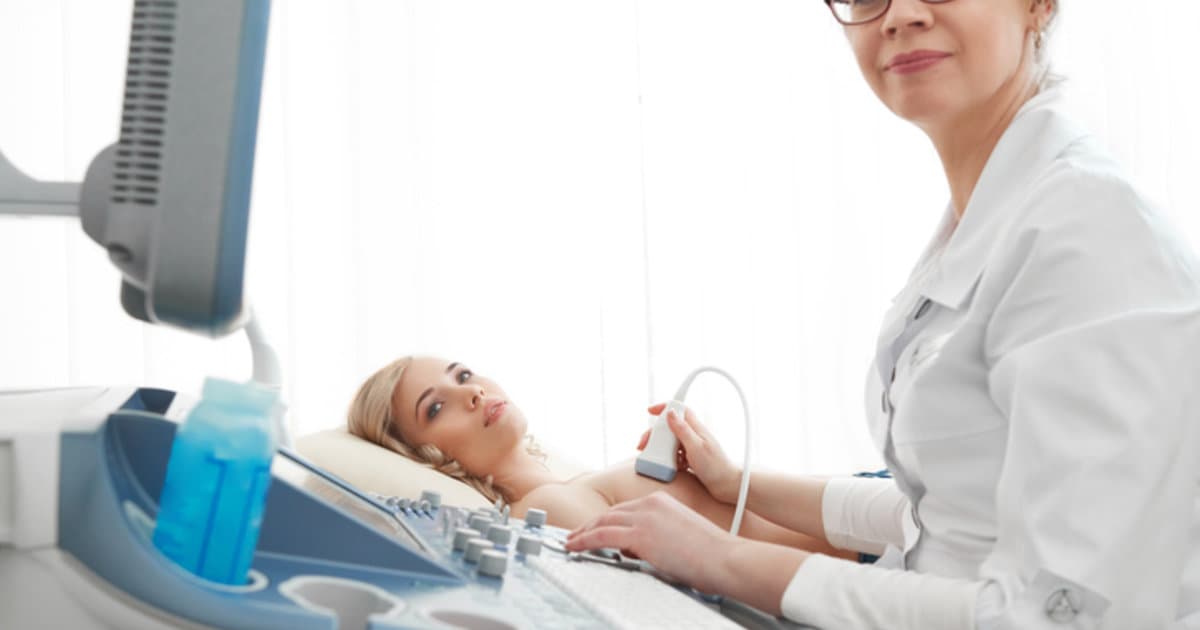
RadNet has secured FDA clearance for an artificial intelligence solution that automates the entire breast ultrasound interpretation pipeline—from initial lesion detection through characterization and final reporting. The regulatory approval positions the imaging provider to deploy proprietary AI technology across its nationwide network of more than 350 imaging centers, potentially reshaping how radiologists and sonographers approach supplemental breast screening.
The clearance arrives as healthcare systems grapple with radiologist workforce shortages and growing demand for breast ultrasound, particularly among women with dense breast tissue for whom mammography alone may miss cancers. By automating labor-intensive interpretation steps, RadNet's solution aims to accelerate diagnosis while standardizing assessment quality across providers.
Addressing the Dense Breast Screening Challenge
Breast ultrasound serves as a critical supplemental screening tool for the estimated 40-50% of women with dense breast tissue, where mammography's sensitivity drops significantly. However, ultrasound interpretation remains time-consuming and subject to variability between readers. RadNet's AI platform tackles this challenge by providing consistent, automated analysis of ultrasound images—flagging suspicious lesions, characterizing their features, and generating structured reports.
This end-to-end automation distinguishes RadNet's approach from point solutions that address only detection or characterization. For busy imaging centers managing high patient volumes, the integrated workflow could meaningfully reduce interpretation time per study while maintaining diagnostic accuracy. The technology may prove particularly valuable in community settings where subspecialized breast imaging expertise is limited.
Competitive Landscape and Strategic Positioning
RadNet enters an increasingly crowded field of FDA-cleared breast ultrasound AI solutions. Companies including Koios Medical, Lunit, and iCAD have already secured regulatory approval for similar technologies, validating the clinical utility of AI in this application while intensifying competition for market share.
What sets RadNet apart is its dual role as both imaging provider and AI developer. Unlike standalone software vendors that must convince independent radiology practices to adopt their tools, RadNet can deploy its technology directly across its owned-and-operated facilities. This vertical integration creates a natural testing ground for refinement and a captive market for implementation—potentially accelerating real-world impact compared to third-party solutions.
The clearance also strengthens RadNet's competitive positioning against traditional radiology networks. As value-based care models reward efficiency and outcomes over volume, AI-enabled workflow optimization becomes a strategic differentiator. Faster turnaround times and standardized quality may help RadNet attract referring physicians and health system partners.
Implications for Clinical Practice
For radiologists, the technology promises to function as an intelligent assistant rather than replacement—handling routine detection and preliminary characterization while allowing physicians to focus expertise on complex cases and patient communication. This augmentation model addresses workforce constraints without eliminating the essential role of human judgment in cancer diagnosis.
Patients stand to benefit from reduced time-to-diagnosis and potentially more consistent interpretation quality. However, real-world validation studies will be essential to confirm that automated efficiency translates to maintained or improved diagnostic accuracy across diverse patient populations.
As RadNet rolls out its FDA-cleared solution, the breast imaging community will be watching closely to see whether integrated provider-developer models can outpace standalone AI vendors in delivering measurable clinical and operational value.
Sources
Companies in this article
 LunitSeoul, Gangnam-gu, South KoreaLunit develops medical AI software for cancer screening and precision oncology. The company's solutions include AI-powered imaging analysis for mammography, chest X-rays, and digital pathology, serving radiologists, oncologists, and biopharma partners globally.View company profile →
Reporting & accountability
How we maintain accuracy
Health AI Central separates reported facts, analysis, and public-source data. Readers can review our standards, request a correction, or consult the relevant research methodology before relying on a claim.