

Philips Bets Big on AI-Powered Virtual ICUs as Stock Trades at 15% Discount Despite Healthcare Expansion
Dutch healthcare giant secures major Tennessee hospital contract for remote monitoring across 127 ICU beds, yet investors remain cautious amid regulatory concerns and tariff pressures.
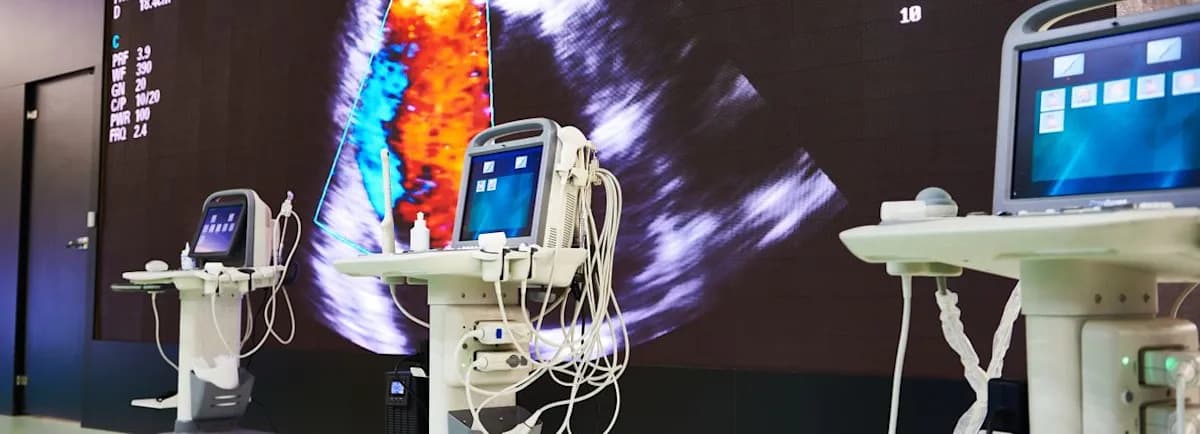
Koninklijke Philips is expanding its AI-enabled virtual care footprint with a significant deployment at West Tennessee Healthcare, yet the company's stock continues trading below analyst estimates—a disconnect highlighting both promise and persistent challenges facing the medical technology leader.
The contract will install Philips virtual monitoring systems across 127 intensive care unit beds and 17 emergency department carts in partnership with hellocare.ai. The deployment represents a tangible expansion of Philips' connected care strategy, positioning remote surveillance technology as a solution to acute care staffing pressures intensifying across U.S. hospitals.
Virtual Monitoring Addresses Workforce Gaps
The West Tennessee Healthcare implementation reflects growing hospital adoption of AI-powered workflow tools designed to extend specialist coverage across distributed bed capacity. Virtual ICU platforms enable centralized clinical teams to monitor multiple units simultaneously, providing real-time alerts and decision support that can improve response times without requiring additional bedside staff.
For Philips, the partnership with hellocare.ai demonstrates a hybrid approach—leveraging specialized AI vendors to accelerate capabilities while maintaining its position as primary hardware and platform provider. This model has become increasingly common as established medical device manufacturers integrate software and artificial intelligence into legacy product lines.
The company projects mid-single-digit revenue growth driven by cloud-based Enterprise Informatics and monitoring platforms, with margin expansion expected as software and services comprise a larger revenue mix. These projections suggest Philips views connected care as a pathway to higher-margin business models compared to traditional equipment sales.
Valuation Gap Reflects Investor Caution
Despite operational progress, Philips stock has delivered mixed returns: up 2.20% over one month but down 6.67% over three months, with a one-year total shareholder return of 15.85%. Currently trading at €23.66, the stock sits approximately 15.3% below the analyst consensus fair value estimate of €27.93.
This valuation disconnect likely reflects ongoing regulatory scrutiny related to Philips' respiratory device recall—a crisis that has impacted the company's reputation and financial performance. Additionally, tariff pressures and macroeconomic headwinds have been identified as potential risk factors that may weigh on near-term results.
Market Implications
The gap between Philips' operational momentum in virtual monitoring and its stock performance creates an intriguing market dynamic. For competitors in the remote patient monitoring space, the situation may signal acquisition opportunities or partnership leverage. For health systems evaluating virtual care investments, it underscores the importance of vendor stability and long-term platform viability beyond initial deployment.
As hospitals continue seeking technology solutions to workforce shortages and quality improvement mandates, AI-enabled monitoring platforms are likely to see sustained demand. Whether Philips can fully capitalize on this trend while resolving regulatory challenges will determine if the current valuation represents a temporary discount or a more fundamental reassessment of the company's competitive position in healthcare AI.
Sources
Companies in this article

Reporting & accountability
How we maintain accuracy
Health AI Central separates reported facts, analysis, and public-source data. Readers can review our standards, request a correction, or consult the relevant research methodology before relying on a claim.