

Private Equity Hospitals Match Nonprofits in AI Adoption While Independent For-Profits Fall Behind
New research reveals surprising parity in clinical AI implementation between PE-owned and nonprofit hospitals, but questions remain about whether technology investments prioritize patient outcomes or investor returns.
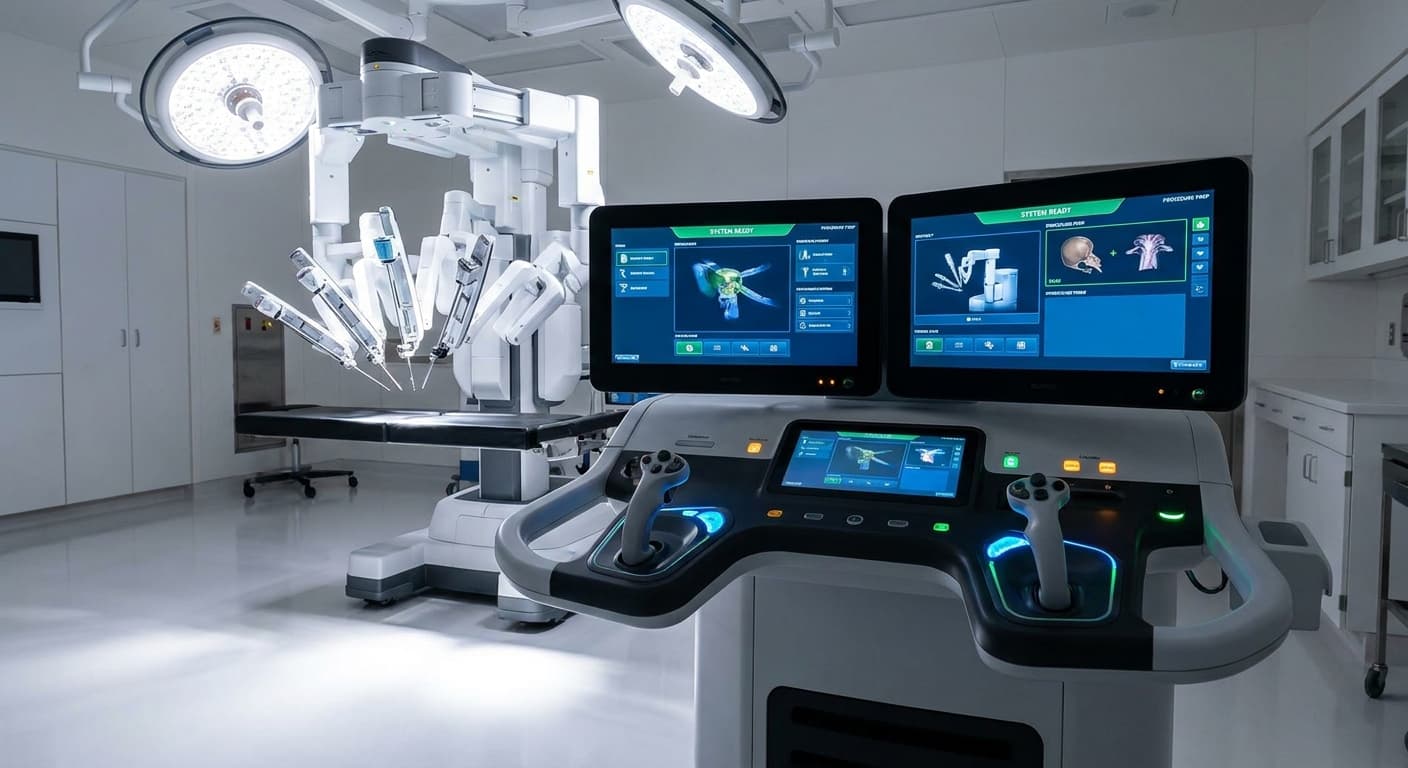
Illustration: AI-generated
Private equity ownership has become increasingly controversial in healthcare, with critics pointing to safety concerns and profit-driven decision-making. Now, new research published in Health Affairs Scholar adds a surprising dimension to this debate: private equity-owned hospitals are adopting artificial intelligence at rates nearly identical to nonprofit institutions, while independently owned for-profit hospitals lag dramatically behind.
Ownership Models Show Stark Adoption Disparities
The study analyzed 4,305 U.S. hospitals across three ownership categories and found that 31.4% of private equity-owned facilities have adopted AI technologies, compared to 34% of nonprofit hospitals. The striking outlier? Non-PE for-profit hospitals, where AI adoption sits at just 8.6%.
The research examined 224 PE-owned hospitals, 417 for-profit non-PE facilities, and 3,664 nonprofit or government-run institutions using 2024 American Hospital Association Annual Survey data linked with a private equity acquisition and exit database. According to the Private Equity Stakeholder Project, more than 400 U.S. hospitals are currently PE-owned, representing 27% of all for-profit hospitals.
When specifically examining clinical AI adoption—technologies like robotic surgery systems and digital mammography—the patterns held consistent. PE-owned hospitals showed a 33.3% adoption probability, nearly matching nonprofit facilities at 32.4%, while non-PE for-profit hospitals remained at 8.8%.
Revenue-Generating Technologies Take Priority
The research suggests that private equity firms may be strategically prioritizing AI investments that generate revenue rather than operational efficiency tools. Operational AI adoption rates showed minimal variation across all three hospital ownership types, indicating that PE-owned facilities focus their technology spending on patient-facing clinical applications.
Nonprofit hospitals were more likely to report cost and resource challenges as barriers to AI adoption, while PE-owned hospitals more frequently cited staff-training challenges compared to their non-PE for-profit counterparts.
Patient Care Concerns Persist Despite Technology Investments
While the adoption rates appear competitive, the findings raise questions about whether these AI investments genuinely improve patient outcomes or primarily serve financial returns. Previous 2024 research has linked PE hospital acquisitions to increased hospital-acquired conditions, including falls and central line-associated bloodstream infections.
A federal inquiry into Apollo Global Management and Leonard Green & Partners found evidence of prioritizing investor wealth over the well-being of patients and healthcare providers. These concerns cast a shadow over the AI adoption figures, suggesting that technology implementation alone doesn't guarantee improved care quality.
For healthcare technology companies, the research reveals important market dynamics: PE-owned facilities may represent more receptive customers for revenue-generating clinical AI products, while operational efficiency tools may face harder sales across all ownership models. Healthcare providers, meanwhile, should note that nonprofit hospitals achieve comparable AI implementation rates without private equity backing, challenging assumptions that PE ownership drives innovation.
The study demonstrates that hospital ownership structure influences technology adoption patterns, but leaves unanswered whether these investments translate to measurable improvements in patient care—a question that remains critical as private equity's healthcare footprint continues to expand.
Sources
Reporting & accountability
How we maintain accuracy
Health AI Central separates reported facts, analysis, and public-source data. Readers can review our standards, request a correction, or consult the relevant research methodology before relying on a claim.