

Pharmaceutical Giant McKesson Hit by Massive Vishing Attack as Hackers Claim 284 Million Patient Records Stolen
Healthcare distribution leader confirms cybersecurity incident after ShinyHunters extortion group allegedly compromised employee credentials through voice phishing to access cloud data warehouses containing sensitive medical information.
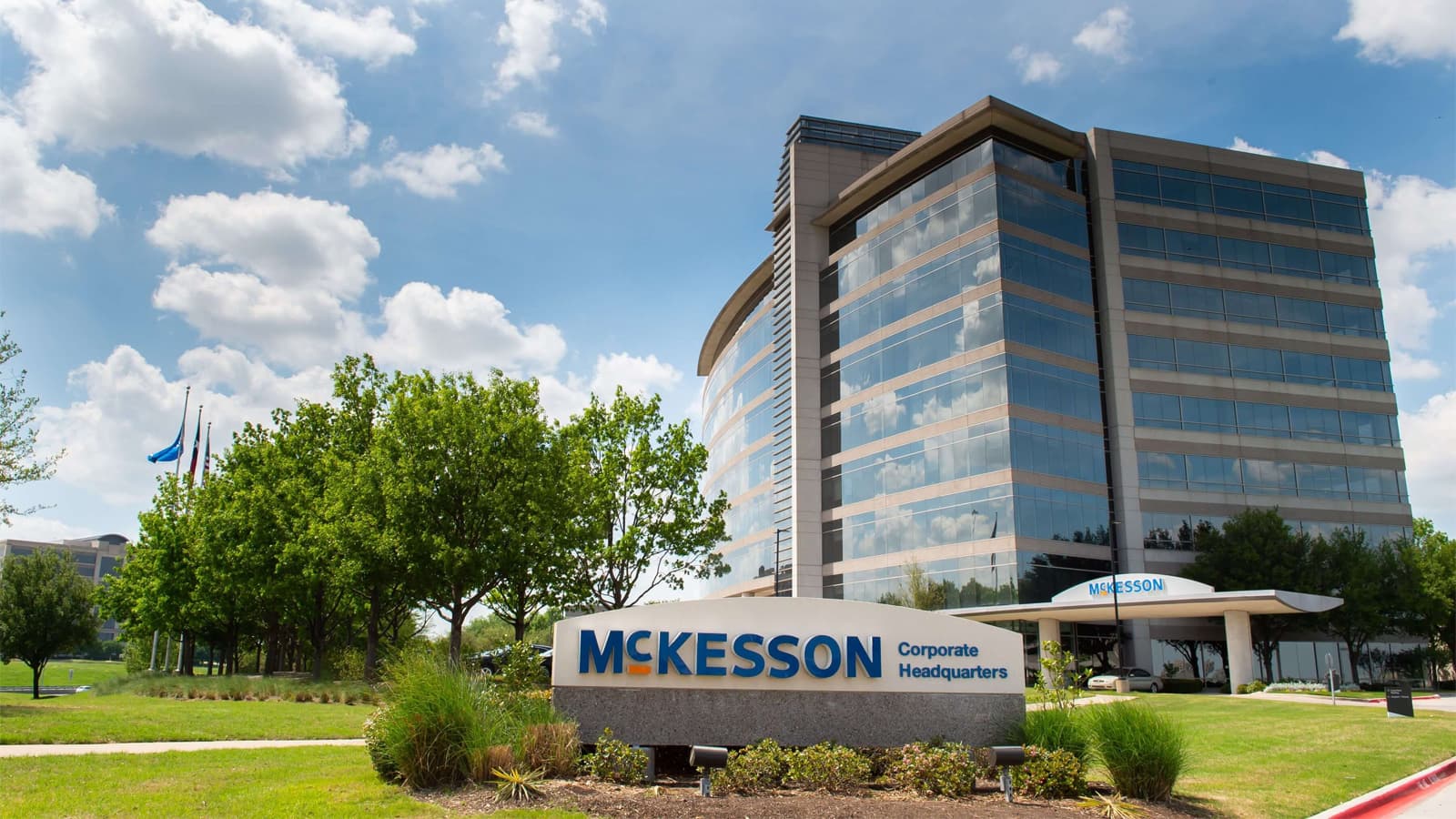
McKesson Corporation, one of the largest pharmaceutical and medical supply distributors in the United States, disclosed a significant cybersecurity incident on August 25, 2026, after the notorious ShinyHunters extortion group claimed responsibility for stealing approximately 284 million patient-related records. The breach, allegedly executed through sophisticated voice phishing attacks targeting employee credentials, highlights growing vulnerabilities in healthcare supply chain security and cloud infrastructure protection.
According to the company's disclosure filed with the U.S. Securities and Exchange Commission via Form 8-K, McKesson detected unauthorized access to third-party applications, though the company stated the incident is not currently deemed material to its financial condition or operations. However, customers were warned of potential intermittent service degradation related to the attack.
The Attack: Social Engineering Meets Cloud Infrastructure
ShinyHunters allegedly used vishing—voice phishing—to target multiple McKesson employees between August 21-25, 2026, a four-day window during which attackers claim to have exfiltrated approximately 1 terabyte of data. The threat actors reportedly employed a domain identified as "McKesson[.]claim" as part of their social engineering campaign to impersonate the company's help desk and IT departments.
Once employee credentials were compromised, the attackers allegedly gained access to McKesson's Okta single sign-on accounts, which served as a gateway to the company's Salesforce environment and Snowflake data warehouse. This cascading access allowed the threat actors to extract data from support cases and cloud-stored databases containing sensitive patient and business information.
The stolen data allegedly includes names, addresses, dates of birth, Social Security numbers, patient IDs, medical record numbers, Medicaid numbers, medication and allergy information, diagnoses, disabilities, appointment details, physician information, prescription records, drug shipment data, and information about deceased or terminally ill patients. Employee information and internal communications were also reportedly compromised.
Ransom Demand and Industry-Wide Threat Pattern
ShinyHunters demanded $55,236,150 from McKesson with a 72-hour response deadline. According to the source, McKesson reportedly did not respond to or negotiate with the extortion group.
The ReliaQuest Threat Research Team has documented ShinyHunters' systematic campaign using "company.[.]claim" domain patterns to impersonate corporate help desks across the healthcare sector. Health-ISAC, a healthcare cybersecurity information sharing organization, warned of an increase in socially engineered ShinyHunters attacks specifically targeting healthcare organizations. Recent victims of similar campaigns allegedly include Medtronic, DentaQuest, iRhythm, One Medical, and AdaptHealth.
Supply Chain Implications and Patient Risk
The breach carries significant implications beyond McKesson's direct operations. As a critical node in the pharmaceutical distribution network, any service disruption could impact medication supply chains and pharmacy operations nationwide. Healthcare providers using McKesson's services may face patient notification obligations if their patients' data was compromised through the distributor's systems.
For the approximately 284 million patient records allegedly exposed—representing raw data rows rather than necessarily unique individuals—the breach creates substantial identity theft and medical fraud risk. The combination of Social Security numbers with detailed medical histories, current medications, and appointment information provides threat actors with comprehensive profiles that could enable targeted phishing campaigns, insurance fraud schemes, and prescription drug diversion operations.
The incident underscores a critical vulnerability in healthcare's digital infrastructure: the security of cloud-based data warehouses and single sign-on systems against human-targeted social engineering attacks. While McKesson has not confirmed the scope of data stolen or validated ShinyHunters' claims, the disclosure and reported attack pattern signal an urgent need for healthcare organizations to implement phishing-resistant multi-factor authentication and enhanced employee security training to defend against increasingly sophisticated vishing campaigns.
Sources
Companies in this article

Reporting & accountability
How we maintain accuracy
Health AI Central separates reported facts, analysis, and public-source data. Readers can review our standards, request a correction, or consult the relevant research methodology before relying on a claim.