

Medtronic Takes Aim at Intuitive Surgical's Dominance with Real-Time AI Platform for Robotic Surgery
Medical device giant secures FDA clearance for computer vision application that monitors surgical instruments in real time, marking a strategic push into AI-powered surgical robotics.
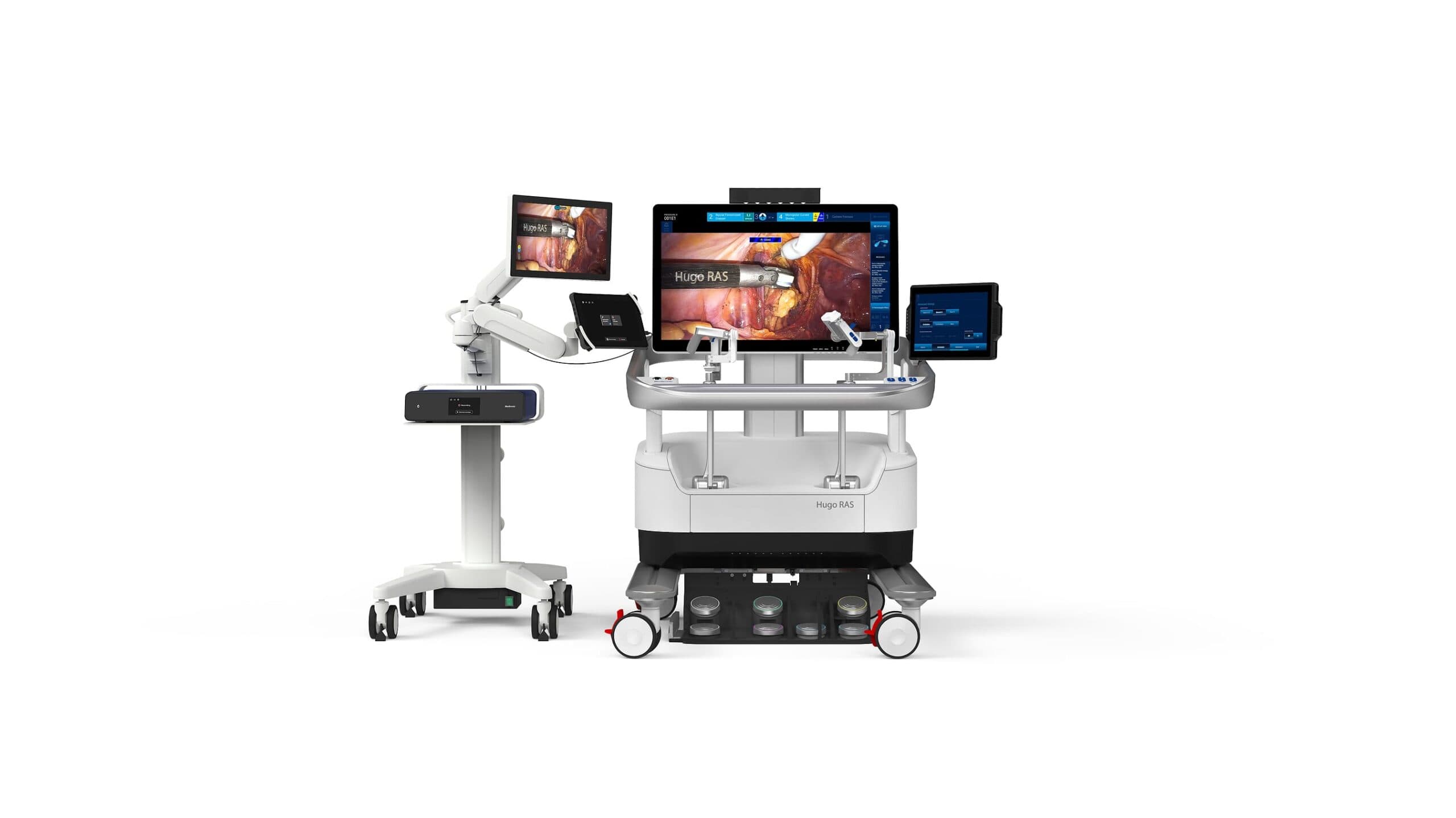
Medtronic has launched Touch Surgery Aide, an AI-native computing platform designed to deliver real-time artificial intelligence support during surgical procedures, positioning the company to challenge Intuitive Surgical's longstanding dominance in the robotic surgery market. The platform's first application, Instrument Exit Point, has received FDA clearance for use with Medtronic's Hugo robotic-assisted surgery system, marking a significant milestone in the integration of AI into live surgical workflows.
The announcement, made at the Society of Robotic Surgery 2026 Annual Meeting, signals Medtronic's strategy to differentiate its Hugo platform through intelligent software capabilities rather than hardware alone. With Intuitive Surgical's da Vinci system controlling the vast majority of the robotic surgery market, Medtronic is betting that an extensible AI infrastructure could level the competitive playing field.
Real-Time Computer Vision Enters the Operating Room
The FDA-cleared Instrument Exit Point application uses computer vision to provide visual notifications when specific surgical instruments move beyond the visible field of view during robotic procedures. While this may seem like a modest first step, it represents a fundamental shift from passive robotic assistance to active, AI-driven workflow optimization.
Powered by NVIDIA accelerated computing infrastructure, Touch Surgery Aide processes surgical video and procedural context in real time, enabling the platform to run multiple AI applications simultaneously during live operations. This computing architecture creates the foundation for increasingly sophisticated AI capabilities that could reduce complications, improve surgical precision, and generate actionable post-operative insights.
The Hugo robotic-assisted surgery system, which received FDA clearance for urologic procedures in December 2025, is currently deployed in more than 1,500 operating rooms worldwide as part of Medtronic's broader Touch Surgery ecosystem. That ecosystem already provides pre-operative planning, intra-operative tele-mentoring, and post-operative insights—capabilities that Touch Surgery Aide is designed to enhance with real-time intelligence.
Expanding Beyond Robotics Into Laparoscopic Surgery
Medtronic's ambitions for Touch Surgery Aide extend well beyond its Hugo platform. The company submitted 510(k) notifications in June 2026 to expand the Hugo system into general and gynecologic specialties in the United States, and plans to bring the AI platform to laparoscopic surgery procedures that don't require robotic assistance.
"Touch Surgery Aide represents a major milestone in our vision to deliver AI-native solutions that empower surgical teams with real-time intelligence," said Jim Peichel, Chief Technology Officer at Medtronic. George Murgatroyd, General Manager and Vice President of Digital Technologies for Medtronic's Surgical Business, emphasized the platform's potential to create "a new standard for intelligent surgical support."
Market Implications and Competitive Positioning
The launch positions Medtronic to compete not just on robotic hardware but on software ecosystems—a strategy that mirrors successful technology platforms in other industries. By creating an extensible computing infrastructure, Medtronic opens recurring revenue opportunities through software applications while building competitive moats around its surgical platforms.
For surgical teams, the promise is compelling: AI-driven tools that reduce cognitive load, minimize errors from instrument tracking issues, and enable continuous improvement through data-driven insights. As AI capabilities mature, the platform could fundamentally reshape surgical workflows and training paradigms.
The question remains whether Medtronic can execute quickly enough to capture meaningful market share from Intuitive Surgical, whose installed base and surgeon loyalty present formidable barriers to entry. Touch Surgery Aide's success will likely depend on demonstrating clear clinical value and seamless integration into existing surgical workflows.
Sources
Companies in this article
 MedtronicMinneapolis, MN, USA · Founded 1949Medtronic is a global healthcare technology leader providing medical devices, therapies, and services across cardiovascular, diabetes, neurological, surgical, and patient monitoring solutions. The company serves healthcare professionals, patients, and health systems worldwide with a comprehensive portfolio spanning cardiac devices, surgical robotics, diabetes management, and advanced surgical technologies.View company profile →
 Touch SurgeryTouch Surgery is a medical education and training platform that provides surgical simulation and procedural training tools for healthcare professionals. The company focuses on improving surgical skills and patient outcomes through digital learning solutions.View company profile →
 Intuitive SurgicalSunnyvale, CA, USA · Founded 1995Intuitive Surgical is a global technology leader pioneering robotic-assisted surgery and minimally invasive care with its da Vinci surgical systems.View company profile →
Reporting & accountability
How we maintain accuracy
Health AI Central separates reported facts, analysis, and public-source data. Readers can review our standards, request a correction, or consult the relevant research methodology before relying on a claim.