

Maryland Hospital Goes Live with FDA-Cleared AI That Predicts Sepsis Before Blood Cultures Return
Sinai Hospital deploys Prenosis's Sepsis ImmunoScore in live patient care, marking a pivotal shift from research validation to real-world clinical use for AI-powered sepsis detection.
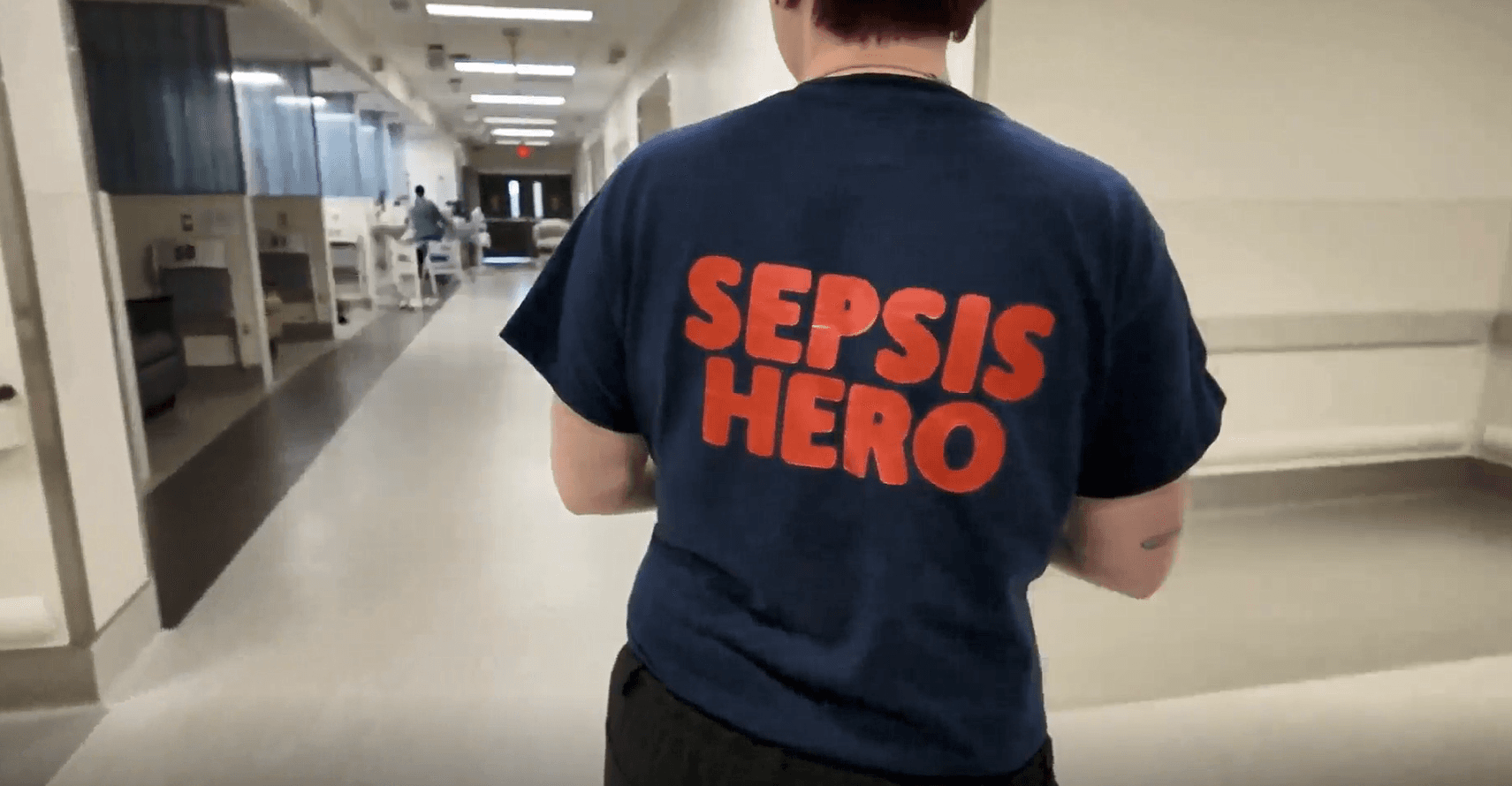
Sinai Hospital has begun using an artificial intelligence diagnostic tool in routine patient care that analyzes up to 22 clinical measurements to predict which patients will develop sepsis within 24 hours—a deployment that represents one of the first real-world implementations of FDA-authorized AI specifically designed to detect the life-threatening condition.
The technology, called Sepsis ImmunoScore and developed by Prenosis, is now integrated into Sinai Hospital's electronic medical record system, where it generates risk scores that clinicians can access as part of their standard workflow. The hospital was one of 10 research centers nationwide that contributed patient samples to the database of more than 100,000 cases used to develop and validate the algorithm before it received FDA authorization.
From Research Partner to Clinical Deployment
Sinai Hospital's transition from research contributor to active user illustrates a research-to-bedside pathway that health tech companies often struggle to achieve. The hospital's involvement in building the foundational dataset appears to have facilitated adoption, as the institution moves from validating the technology to deploying it in live patient encounters.
According to Dr. Gregory Corcoran, Chief of Emergency Medicine at LifeBridge Health—Sinai Hospital's parent organization—the tool addresses a critical gap in sepsis care. "Early recognition and treatment of sepsis is essential to improving outcomes," Corcoran stated, noting that the AI system provides risk assessment during the window before blood culture results become available, when clinical judgment alone must guide treatment decisions.
LifeBridge Health serves more than 2 million patients annually across multiple Maryland hospitals, suggesting potential for broader deployment beyond Sinai Hospital's initial implementation.
Addressing a Major Public Health Burden
The clinical stakes are substantial. According to CDC data cited in the announcement, at least 1.7 million U.S. adults develop sepsis each year, and at least 350,000 die during hospitalization or are discharged to hospice. One in three adults who die in a hospital had sepsis during their stay, underscoring the condition's role as a leading cause of in-hospital mortality.
Sepsis occurs when the body's response to infection causes widespread inflammation that can lead to tissue damage, organ failure, and death. Early identification and treatment with antibiotics and supportive care can prevent progression to septic shock, but diagnosis remains challenging because early symptoms often resemble less serious conditions.
Real-World Evidence Generation Ahead
Dr. Charles Albrecht III, Chief Medical Officer at Sinai Hospital, indicated that the health system will evaluate the tool's impact on treatment decisions, length of stay, mortality rates, and readmissions—outcomes data that will be critical for other hospitals considering adoption and for payers evaluating coverage decisions.
LifeBridge Health is also assessing whether to expand the technology to its other hospital facilities, a decision that will likely depend on the performance metrics gathered during Sinai Hospital's initial deployment phase.
The implementation positions Prenosis in the competitive AI sepsis detection market, where multiple companies are developing predictive algorithms but few have progressed from FDA clearance to active clinical use at scale.
Sources
Companies in this article

Reporting & accountability
How we maintain accuracy
Health AI Central separates reported facts, analysis, and public-source data. Readers can review our standards, request a correction, or consult the relevant research methodology before relying on a claim.