

Machine Learning Spots Pancreatic Cancer 16 Months Before Radiologists Can See It
New AI system detects visually invisible tissue changes in routine CT scans with 73% sensitivity, nearly doubling radiologist performance for one of medicine's deadliest cancers.
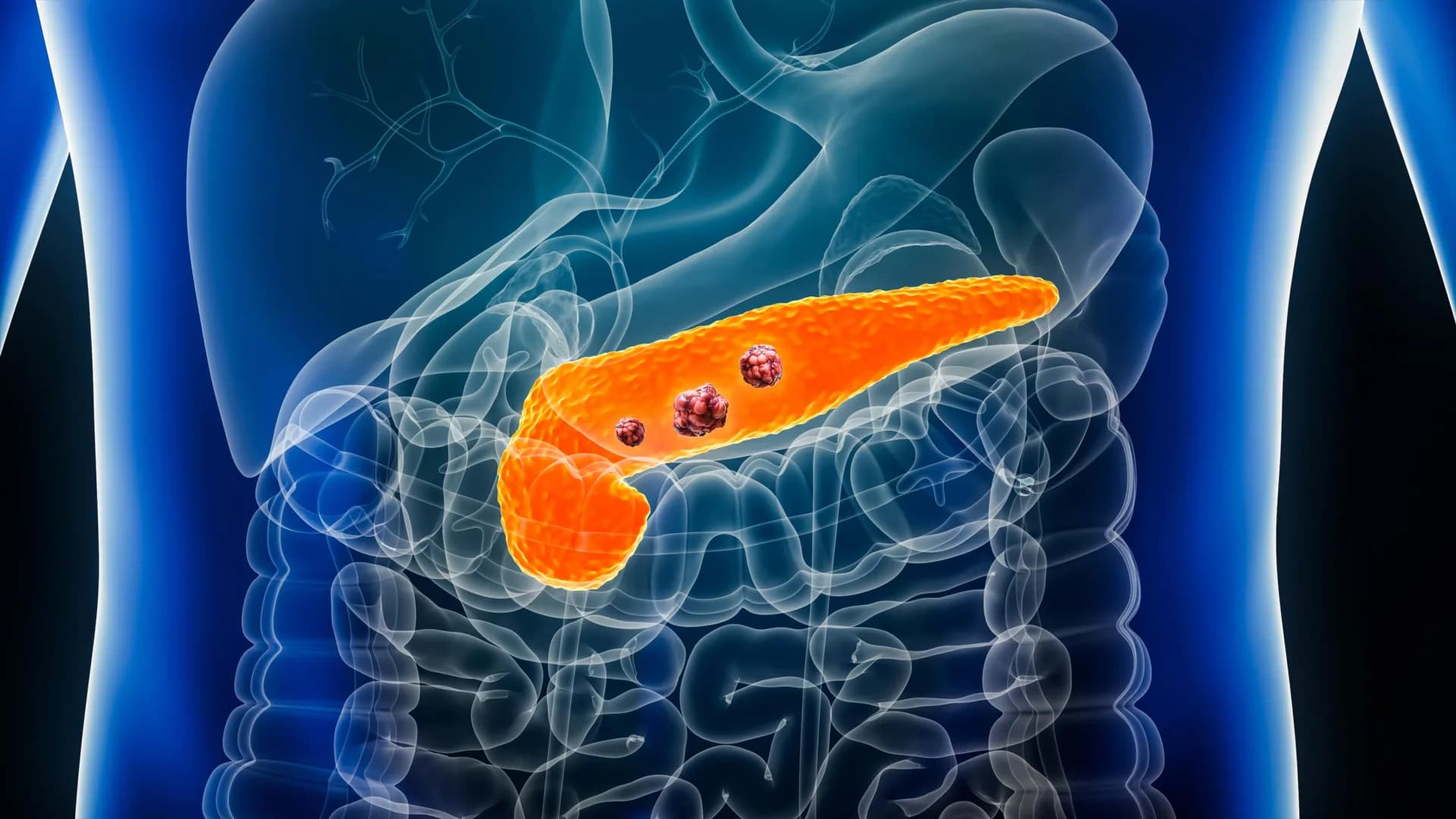
Pancreatic cancer remains one of the most lethal malignancies, largely because it typically evades detection until advanced stages when treatment options are limited. Now, researchers have developed an artificial intelligence system that can identify subtle tissue changes indicative of pancreatic cancer an average of 475 days—roughly 16 months—before clinical diagnosis, potentially opening a critical window for life-saving intervention.
The AI system, called REDMOD (Radiomics-based Early Detection MODel), analyzes routine CT scans to detect fine texture patterns in pancreatic tissue that are invisible to the human eye. In a study published in Gut, REDMOD achieved 73% sensitivity in detecting pancreatic ductal adenocarcinoma compared to just 39% for experienced radiologists examining the same scans.
Detecting Occult Disease on Conventional Imaging
The research analyzed CT scans from 219 patients who subsequently developed pancreatic ductal adenocarcinoma, the most common form of pancreatic cancer, alongside 1,243 cancer-free controls matched by age, sex, and scan date. Patients in the cancer group averaged 69 years old (range 34-88), while controls averaged 64 years (range 34-88). Approximately 64% of cancers developed in the pancreatic head.
REDMOD's performance was particularly striking for scans taken more than 24 months before diagnosis. In this long-range detection scenario, the AI achieved a 68% detection rate compared to 23% for radiologists—nearly three times better. Among the study cohort, 40% were scanned 3-12 months before diagnosis, 35% were scanned 12-24 months prior, and 25% were scanned more than 24 months before diagnosis, with some scans taken up to approximately three years earlier.
The technology uses radiomics-based texture analysis to identify patterns in pancreatic tissue and includes automated pancreas segmentation, eliminating the need for time-consuming manual tracing by specialists.
Validation Across Multiple Institutions
Beyond sensitivity, REDMOD demonstrated strong specificity, correctly classifying 81% of cancer-free scans in an independent validation cohort of 539 patients and 87.5% in the NIH-PCT dataset of 80 patients. The system also showed temporal consistency, producing matching results 90-92% of the time on repeat scans from the same patients taken months apart.
Lead author Sovanlal Mukherjee and colleagues from multiple hospitals developed the system to address a critical gap in pancreatic cancer care. According to modeling studies cited in the research, increasing localized pancreatic cancer detection from 10% to 50% would more than double survival rates—underscoring the potential impact of early detection technologies.
Path to Clinical Implementation
While REDMOD represents a significant advance, the researchers note that prospective validation and testing across diverse ethnic populations will be necessary before clinical deployment. The technology could enable proactive screening in high-risk populations, such as individuals with unexplained weight loss or new-onset diabetes, potentially shifting clinical practice from late-stage symptomatic diagnosis to early intervention when curative treatment remains feasible.
For patients, the 16-month average lead time could provide a meaningful window for intervention when pancreatic cancer is still potentially treatable—a stark contrast to current reality, where most cases are diagnosed at advanced stages with limited therapeutic options.
Sources
Google Search
Follow Health AI Central on Google
Choose Health AI Central as a preferred source, and Google is more likely to show our reporting in Top Stories.
Reporting & accountability
How we maintain accuracy
Health AI Central separates reported facts, analysis, and public-source data. Readers can review our standards, request a correction, or consult the relevant research methodology before relying on a claim.