

Machine Learning Outpaces Cardiologists in Predicting Heart Patient Survival from MRI Scans
AI analysis of cardiac imaging completed in seconds demonstrates statistically superior mortality risk prediction compared to expert clinician measurements in study of over 27,000 patients.
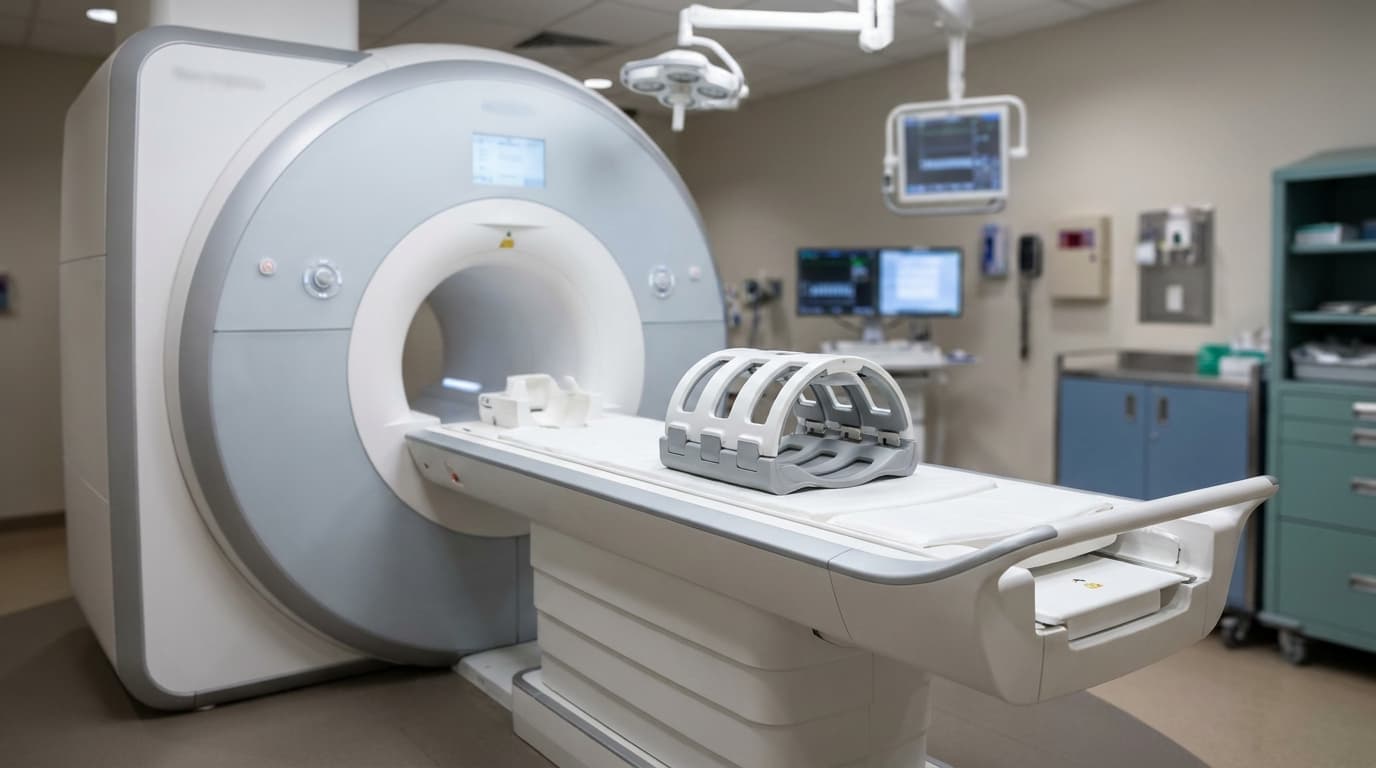
Illustration: AI-generated
Artificial intelligence has demonstrated a measurable advantage over human experts in predicting which heart patients face the highest mortality risk, according to research published in The Lancet Digital Health. The study of 27,382 patients found that AI-derived measurements of left ventricular ejection fraction—a critical indicator of heart function—showed statistically significant superior prediction of death compared to measurements made by experienced clinicians.
The findings arrive as healthcare systems worldwide grapple with mounting cardiac imaging workloads and pressure to deliver faster, more accurate prognostic assessments for patients with heart failure and other cardiovascular conditions.
Speed Meets Accuracy in Large-Scale Validation
The retrospective, multicentre study tracked patients with known or suspected heart conditions across UK and US sites for an average of more than five years, during which 3,458 deaths occurred. Researchers from City St George's, University of London and University College London compared AI-generated ejection fraction measurements against those produced by expert clinicians analyzing the same cardiac MRI scans.
The AI tool completed its analysis in 2-3 seconds per patient scan, compared to approximately 13 minutes required for expert clinician review. Despite this dramatic speed advantage, the AI measurements demonstrated statistically significant superior mortality prediction after adjusting for age, sex, and other clinical factors.
Lead author Dr. George Joy, NIHR Clinical Lecturer in the Cardiovascular Clinical Academic Group at City St George's, University of London, emphasized that the technology should augment rather than replace clinical judgment. The AI system showed an error rate of approximately 1% at the patient level, affecting 0.08% of images—underscoring the continued need for human oversight.
Clinical Implications for Heart Failure Management
Ejection fraction measurements serve as what researchers describe as a "gatekeeper" for numerous critical treatment decisions, including heart failure medication initiation, implanted device eligibility, surgical risk assessment, and chemotherapy monitoring in cancer patients at risk for cardiac toxicity.
Senior author Dr. Rhodri Davies, Associate Professor at UCL and inventor of the AI tool, noted that the technology could reduce radiologist workload by more than 95% per scan while improving prognostic accuracy. This efficiency gain comes as cardiology departments face increasing imaging volumes and pressure to deliver timely treatment decisions.
The research was funded by an NIHR Clinical Lectureship, the NIHR UCLH Biomedical Research Centre, and a British Heart Foundation Accelerator Award. Researchers suggest the findings support an "AI-first" workflow model where artificial intelligence provides initial screening with selective expert review for quality assurance and contextual interpretation.
Path Forward for Augmented Cardiology
The study's scale and multi-center design provide robust validation for cardiac imaging AI in a real-world clinical context, moving beyond simple diagnostic concordance to demonstrate measurable impact on patient risk stratification. For healthcare providers, the technology offers potential to accelerate treatment pathways and allocate specialist time more efficiently. For patients, faster analysis could translate to reduced wait times for critical treatment decisions, though the researchers emphasize that human expertise remains essential for error detection and clinical context integration.
The research represents what investigators characterize as validation of AI's role in "augmented cardiology"—where machine learning handles high-volume, time-intensive measurements while clinicians focus on interpretation, complex cases, and patient care decisions informed by AI-enhanced data.
Sources
- Performance of artificial intelligence versus clinician left-ventricular segmentation of cardiac MRI for mortality prediction: a retrospective, multicentre, prognostic study. — The Lancet. Digital health · Health AI Central record
- AI-powered heart MRI measurements better predict patients' survival — News-Medical.net
Google Search
Follow Health AI Central on Google
Choose Health AI Central as a preferred source, and Google is more likely to show our reporting in Top Stories.
Reporting & accountability
How we maintain accuracy
Health AI Central separates reported facts, analysis, and public-source data. Readers can review our standards, request a correction, or consult the relevant research methodology before relying on a claim.