

FDA's First AI Sepsis Monitor Could Save Thousands—If It Works Beyond Elite Hospitals
Bayesian Health's continuous prediction system caught 46% more cases at Cleveland Clinic, but the real test comes as it scales to diverse healthcare settings nationwide.
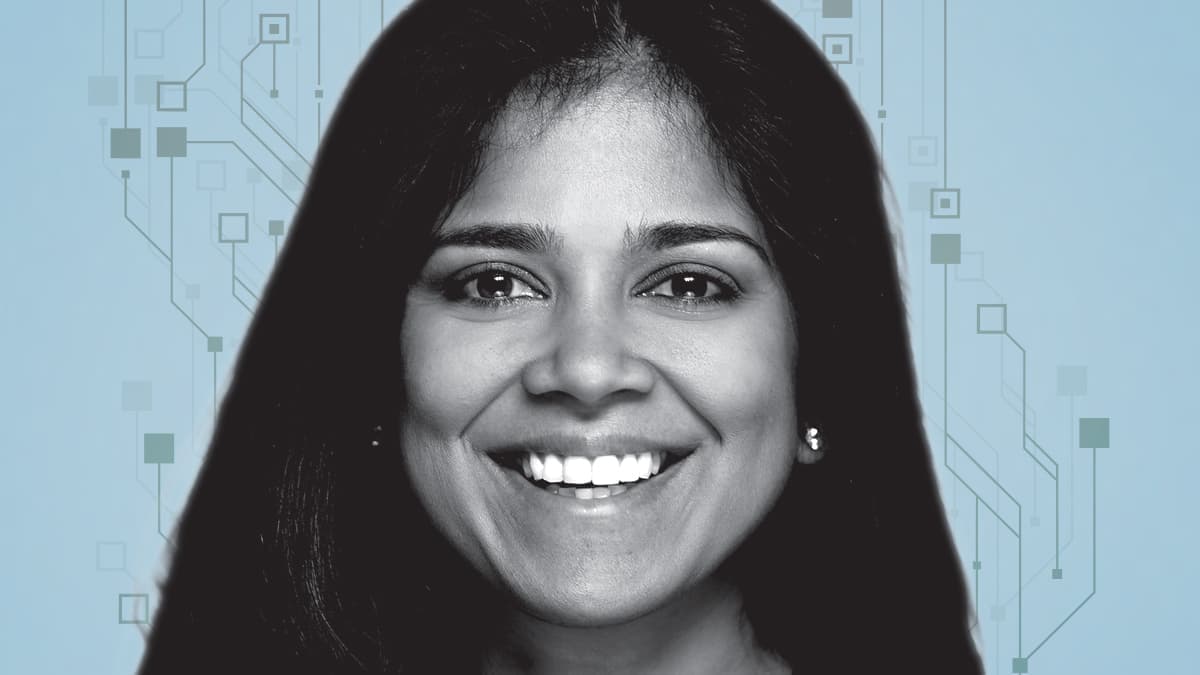
Sepsis kills more hospital patients than almost any other condition, contributing to over one-third of all in-hospital deaths. Yet despite decades of research, early detection remains maddeningly difficult—until now. In May 2025, the FDA cleared the first continuous AI monitoring device designed to predict sepsis risk before it becomes critical, marking a potential turning point in how hospitals identify and treat one of medicine's deadliest conditions.
The system, developed by Bayesian Health and founded by Johns Hopkins computer scientist Suchi Saria, represents more than a decade of work converting electronic health records into early-warning systems. For Saria, the mission is deeply personal: she lost her nephew to sepsis in 2017, an experience that intensified her commitment to solving a problem that has long frustrated clinicians.
How the Technology Performs
Early data from Cleveland Clinic suggests the AI system delivers substantial improvements over existing approaches. According to the TIME100 AI profile, the technology identified 46% more sepsis cases while generating 10 times fewer false alerts compared to current methods. Perhaps most critically, it delivered warnings seven times more frequently before antibiotics were administered—a crucial advantage given that sepsis outcomes deteriorate rapidly without early intervention.
The system works by continuously analyzing clinical notes, laboratory results, patient history, and vital signs to detect patterns that precede septic episodes. Unlike rule-based alert systems that often overwhelm clinicians with false positives, Bayesian Health's approach aims to provide more accurate, actionable warnings that clinicians can trust.
The FDA approved the technology as a clinical decision support tool, positioning it as an aid to clinicians rather than a replacement for medical judgment—a regulatory distinction that reflects both the promise and limitations of AI in clinical settings.
The Generalizability Challenge
While Cleveland Clinic's results are promising, Bayesian Health now faces what may be its most significant hurdle: proving the system works consistently across diverse hospital environments. Healthcare AI systems often perform well in the elite academic medical centers where they're developed, only to struggle when deployed in community hospitals with different electronic health record systems, patient populations, and clinical workflows.
This challenge of cross-institutional generalizability will likely determine whether Bayesian Health becomes a category leader in continuous predictive monitoring or joins the ranks of promising healthcare AI tools that failed to scale beyond their initial validation sites. The company's ability to maintain performance across heterogeneous settings will also shape competitive dynamics in the rapidly growing clinical AI early warning space.
For hospitals considering adoption, the technology promises not just better sepsis detection but also reduced alert fatigue—a critical operational benefit that could drive uptake even as the system proves itself in real-world conditions. Whether that promise translates into widespread deployment and measurable mortality reduction remains the defining question for this first-of-its-kind FDA clearance.
Sources
Companies in this article

Reporting & accountability
How we maintain accuracy
Health AI Central separates reported facts, analysis, and public-source data. Readers can review our standards, request a correction, or consult the relevant research methodology before relying on a claim.