

California Health System Goes All-In on AI Virtual Nursing After Pilot Success
Cottage Health's enterprise-wide rollout of hellocare.ai's platform signals growing confidence in AI-powered patient monitoring and virtual care delivery across hospital settings.
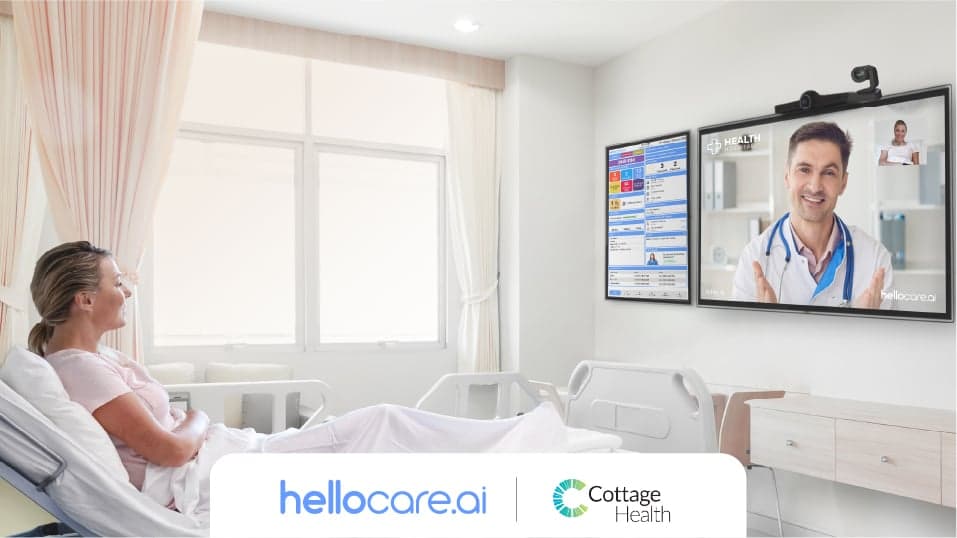
Santa Barbara-based Cottage Health is expanding its AI-assisted care delivery from pilot to production, announcing plans to deploy hellocare.ai's virtual care and patient safety platform across all inpatient environments following a successful trial period.
The July 2026 announcement represents a significant commitment to AI-powered hospital infrastructure as Cottage Health moves beyond limited testing to embrace the technology system-wide. While specific performance metrics from the pilot phase were not disclosed, the decision to scale suggests the platform delivered meaningful improvements in care quality, operational efficiency, or both.
Scaling AI Infrastructure Across Hospital Units
The enterprise-wide expansion will bring hellocare.ai's AI-assisted monitoring and virtual care capabilities to patients throughout Cottage Health's inpatient facilities. The Clearwater, Florida-based technology company's platform combines artificial intelligence with virtual care delivery, creating what proponents describe as an enhanced safety net for hospitalized patients.
For health systems nationwide watching AI adoption trends, Cottage Health's progression from pilot to full deployment offers a notable benchmark. The move suggests that AI virtual nursing and patient safety platforms have matured beyond experimental status and can deliver consistent value at scale. This transition phase—from controlled pilot to enterprise rollout—often represents the most critical validation point for healthcare technology.
The Virtual Nursing Market Heats Up
Hellocare.ai's successful conversion of a pilot customer into an enterprise client positions the company competitively in the rapidly expanding AI-powered virtual nursing market. As hospitals nationwide grapple with persistent staffing shortages and increasing patient acuity, AI-assisted monitoring platforms have emerged as potential force multipliers for stretched clinical teams.
The technology typically uses sensors, cameras, and AI algorithms to monitor patient status continuously, alerting nurses to potential safety issues such as fall risks or clinical deterioration. Virtual nursing components allow remote clinicians to conduct certain patient interactions digitally, theoretically freeing bedside nurses to focus on hands-on care tasks requiring physical presence.
Implications for Healthcare AI Adoption
Cottage Health's decision to expand beyond pilot testing reflects broader industry momentum toward AI integration in clinical workflows. However, the announcement also highlights the measured approach many health systems are taking—starting with controlled pilots before committing to full-scale deployment.
For patients at Cottage Health facilities, the enterprise rollout means broader access to AI-enhanced monitoring across different hospital units. Proponents argue this creates more consistent safety surveillance and faster response times when patients need assistance.
As healthcare organizations nationwide evaluate similar technologies, Cottage Health's experience moving from pilot to production will likely inform other health systems' AI adoption strategies. The success or challenges encountered during this scaling phase could provide valuable lessons for the industry's ongoing digital transformation efforts.
Sources:
1. Cottage Health Expands Partnership with hellocare.ai Following Successful Pilot to Deploy AI Assisted Virtual Care and Patient Safety Platform Enterprise Wide — Fierce Healthcare
Companies in this article

Reporting & accountability
How we maintain accuracy
Health AI Central separates reported facts, analysis, and public-source data. Readers can review our standards, request a correction, or consult the relevant research methodology before relying on a claim.