

Building the AI-Native Health System: The Chief Health AI Officer's Mandate
As artificial intelligence reshapes the healthcare landscape, the Chief Health AI Officer emerges as the critical bridge between technological innovation and clinical excellence.

Artificial Intelligence (AI) is no longer a futuristic concept but a present-day reality poised to fundamentally reshape the healthcare landscape. As healthcare organizations—including providers, insurers, pharmaceutical companies, and medical device manufacturers—navigate the complexities of AI adoption, a new, critical leadership role has emerged: the Chief Health AI Officer (CHAIO) or Chief AI Officer (CAIO).
The distinction matters more than semantics suggest. There is a meaningful difference between organizations that use AI and those that are truly AI-native—where artificial intelligence is woven into the fabric of clinical decision-making, operational workflows, and strategic planning from the ground up. Building an AI-native health system requires more than purchasing tools or launching pilot programs. It demands dedicated, senior leadership with the authority, expertise, and cross-functional mandate to drive transformation at scale.
This report, tailored for healthcare executives, describes the need for this pivotal role, what these leaders do, why they are important, and the types of high-impact projects they lead across the healthcare ecosystem.
Rapid Growth of the CAIO Role
Businesses and organizations across all sectors are hiring Chief AI Officers (CAIOs) to lead the strategic adoption and governance of artificial intelligence across the enterprise. As AI becomes integral to competitiveness, CAIOs ensure that its deployment aligns with business goals, regulatory requirements, and ethical standards. They oversee data infrastructure, model development, and workforce readiness—bridging technical innovation with executive decision-making. Ultimately, the CAIO role reflects a shift from viewing AI as a tool to recognizing it as a core driver of organizational transformation and value creation.
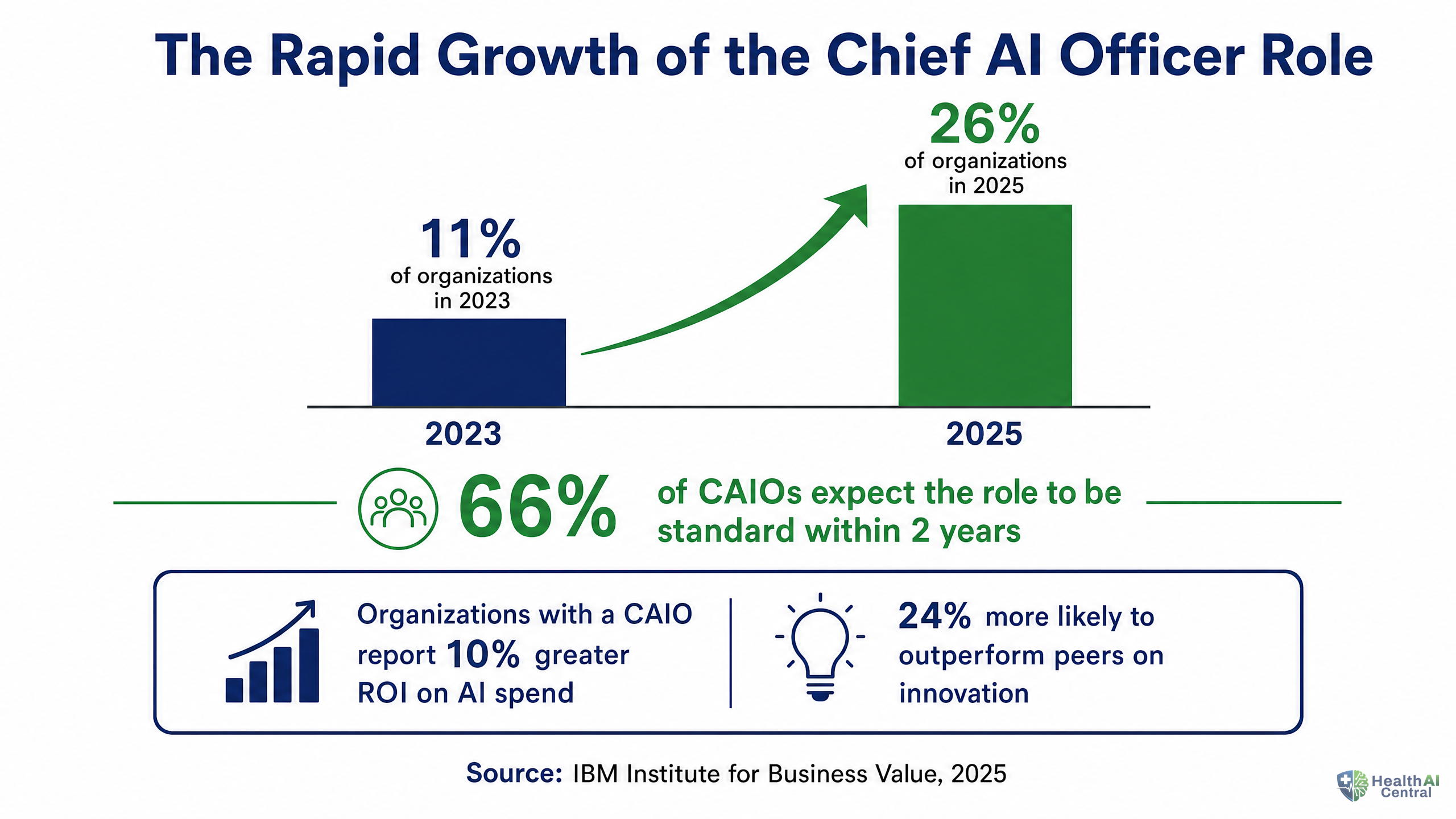
The percentage of organizations with a CAIO has risen from 11% in 2023 to 26% in 2025, with 66% of CAIOs expecting the role to be standard within two years [6]. This rapid growth underscores the strategic importance of the position as healthcare organizations transition from a digital-first to an AI-native philosophy—one in which AI capabilities are not layered on top of existing processes but fundamentally integrated into how the organization thinks, operates, and delivers care.
The financial markets have taken notice. Chief AI Officer compensation reflects the strategic weight of the position, with base salaries ranging from $250,000 to $450,000 and total compensation packages (including equity and performance bonuses) frequently exceeding $1 million at large health systems and pharmaceutical companies [33] [34] [35]. These figures place the CAIO among the highest-compensated executives in healthcare, signaling that boards and CEOs view this role not as a technical hire but as a strategic one.
The Rise of the Chief Health AI Officer
As AI tools increasingly influence diagnostics, treatment planning, and patient engagement, healthcare organizations need dedicated leaders who can bridge the gap between technology, ethics, and clinical care. The Chief Health AI Officer (CHAIO) is a C-suite or senior executive responsible for the comprehensive AI strategy across the entire healthcare organization.
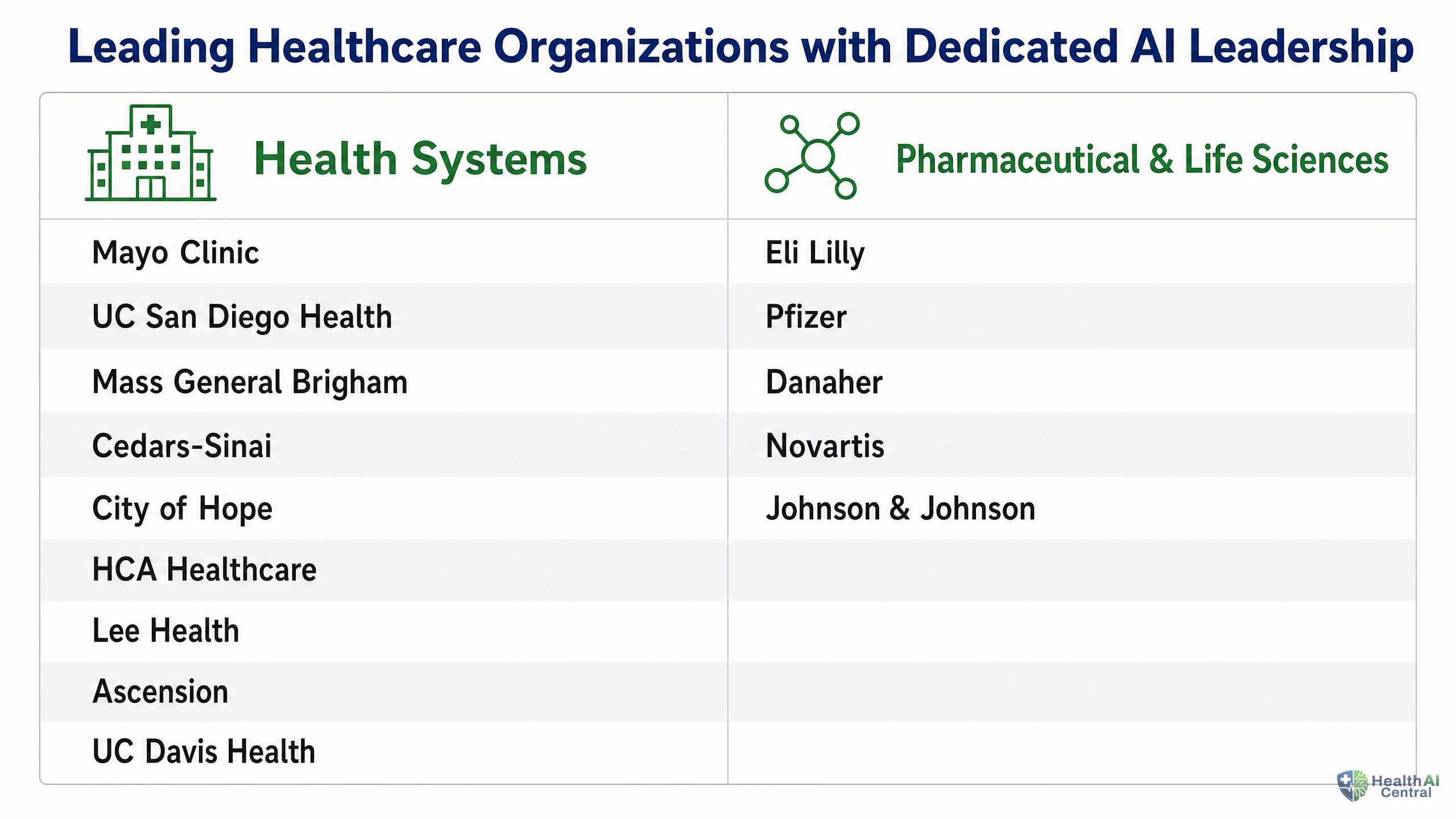
This role is distinct from the Chief Information Officer (CIO) or Chief Technology Officer (CTO) as it focuses specifically on the lifecycle, governance, and clinical integration of AI technologies [1]. Where the CIO manages information systems and the CTO oversees technology infrastructure, the CHAIO owns the AI strategy end-to-end—from identifying clinical use cases through model validation, deployment, monitoring, and continuous improvement. Leading healthcare organizations have already appointed CHAIOs, signaling a broader industry trend [2] [3] [4] [5].
The emergence of this role reflects a fundamental truth about AI in healthcare: it cannot be governed as just another IT project. AI systems learn, evolve, and can produce unexpected outputs. They interact with patients in ways that carry clinical risk. They raise novel ethical questions about bias, transparency, and accountability. An AI-native health system recognizes these realities and places dedicated leadership at the helm to navigate them.
The CHAIO Role: What They Do
Strategic Vision & Implementation
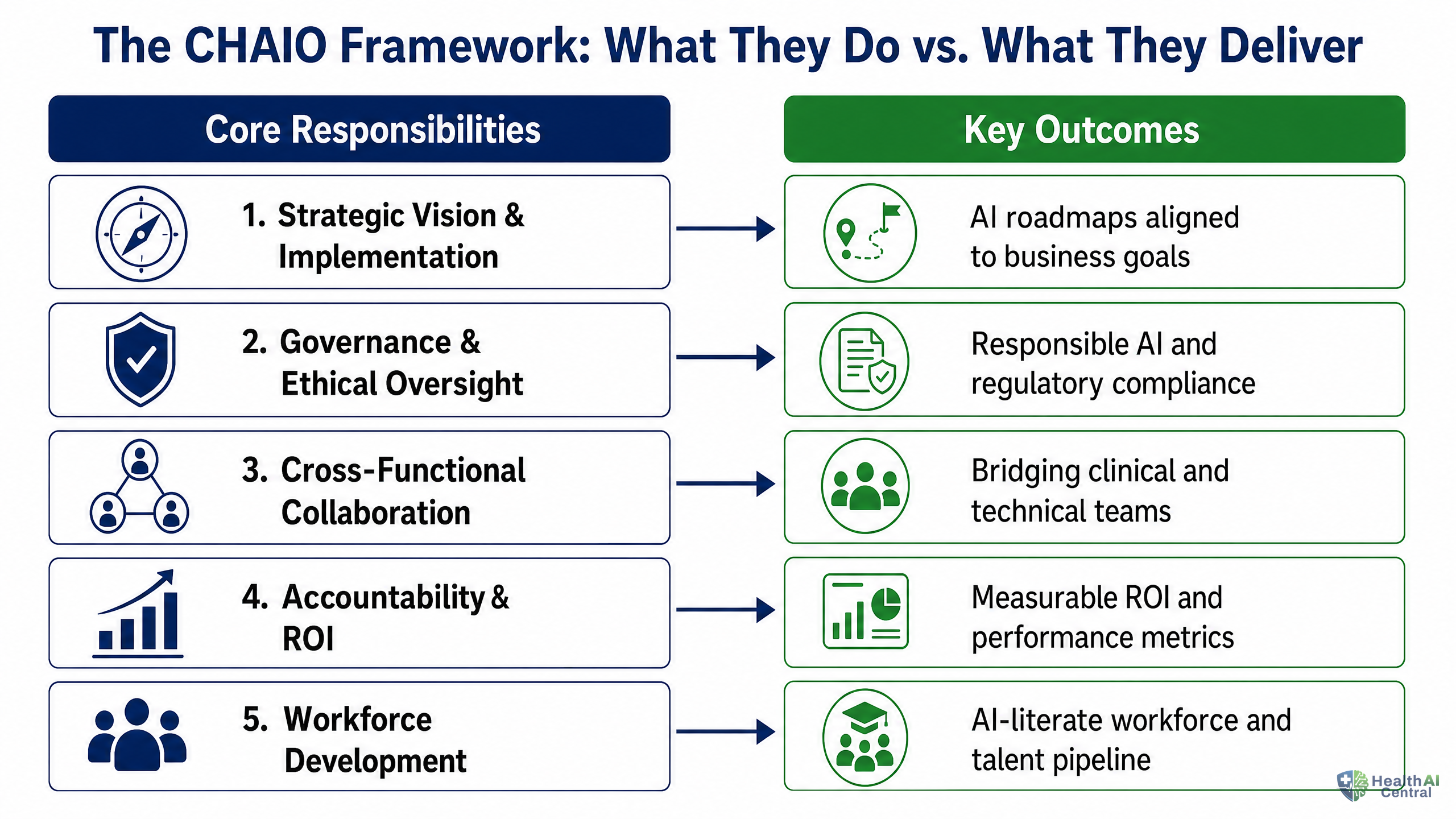
The CHAIO develops a comprehensive, enterprise-wide AI strategy that is tightly aligned with the organization's clinical and business objectives [1]. This includes identifying and prioritizing high-impact use cases for AI, building AI roadmaps (12, 18, or 36-month plans), and ensuring that AI investments are focused on delivering measurable business outcomes [4] [6]. The CHAIO translates complex AI concepts into an organizational strategy that the entire leadership team can understand and support.
In an AI-native organization, this strategic work goes beyond selecting vendors or approving projects. The CHAIO establishes the principles, infrastructure, and culture that allow AI to be deployed rapidly and responsibly across every department. They oversee the entire AI lifecycle from ideation to maintenance, manage the AI portfolio, coordinate with IT and clinical teams, ensure seamless integration into existing workflows, establish continuous model validation processes, and move projects from pilot to production at scale.
The difference between organizations that struggle with AI and those that thrive often comes down to this: struggling organizations treat AI as a series of disconnected projects, while AI-native organizations treat it as a capability that permeates the enterprise. The CHAIO is the leader who makes that distinction operational.
Governance & Ethical Oversight
A critical duty of the CHAIO is establishing a robust governance structure to manage the ethical and compliance concerns inherent in using AI in healthcare [1] [7]. This ensures responsible AI application and adherence to evolving regulations, such as HIPAA in the United States and the EU AI Act in Europe.
Key governance responsibilities include mitigating algorithmic bias, promoting health equity, defining AI guidelines, ensuring transparency and explainability, establishing AI ethics committees, and securing executive approval [1] [7] [8]. Despite rapid adoption, only 18% of health systems have a mature AI strategy, highlighting the urgent need for this oversight [12]. The gap between adoption and governance represents one of the most significant risks facing healthcare organizations today—a gap that the CHAIO is uniquely positioned to close.
In practice, governance in an AI-native health system means establishing clear protocols for model validation before clinical deployment, continuous monitoring of model performance and drift, incident response procedures when AI systems produce unexpected results, and transparent reporting to clinicians and patients about how AI influences their care. The CHAIO builds these systems not as bureaucratic checkpoints but as enablers of responsible speed—allowing the organization to move quickly while maintaining patient safety and regulatory compliance.
Cross-Functional Collaboration
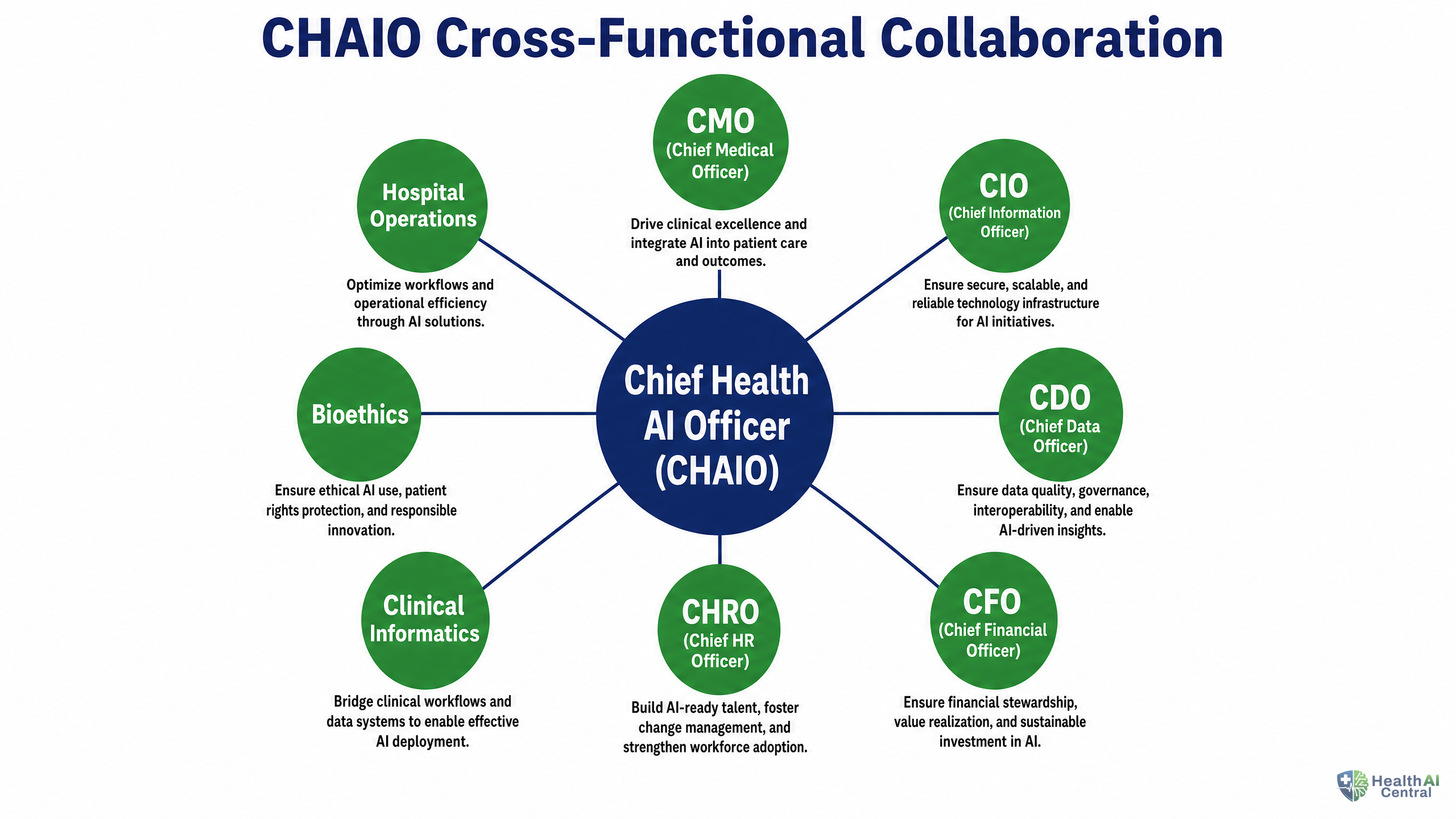
The CHAIO role requires extensive collaboration with a wide array of leaders, including the Chief Medical Officer (CMO), Chief Information Officer (CIO), Chief Data Officer (CDO), Chief Financial Officer (CFO) and leaders in clinical informatics, data management, bioethics, medical directorship, and hospital operations [1] [9].
The CHAIO bridges the gap between technical potential (the CIO's domain) and clinical application (the CMO's domain), ensuring that AI initiatives are both technically feasible and clinically relevant, and financially sustainable. This bridging function is perhaps the most distinctive aspect of the role. Without it, organizations frequently experience a disconnect: data science teams build models that clinicians don't trust or use, while clinicians identify needs that technology teams don't prioritize.
In an AI-native organization, this collaboration is not ad hoc. The CHAIO establishes formal structures—AI steering committees, clinical validation boards, cross-functional sprint teams—that bring together diverse expertise on a regular cadence. They create shared language and shared metrics that allow technical and clinical leaders to evaluate AI initiatives against common criteria.
Accountability & ROI
The CHAIO provides ultimate accountability and oversight for the organization's entire engagement with AI technologies [1] and is responsible for demonstrating measurable return on investment (ROI). By setting clear performance metrics and monitoring outcomes, they ensure AI solutions deliver measurable clinical and operational value—such as improved patient outcomes, cost reductions, and workflow efficiencies.
Additionally, they foster transparency by ensuring data integrity, explainability, and responsible use of AI, building trust among clinicians, patients, and stakeholders while safeguarding the organization's investment in innovation. Organizations with a CAIO report a 10% greater ROI on AI spend and are 24% more likely to outperform their peers on innovation [6].
This accountability function is what separates the CHAIO from advisory or consultative AI roles. The CHAIO owns outcomes. When an AI model underperforms, when a deployment stalls, when ROI targets are missed—the CHAIO is accountable. This ownership creates the organizational gravity necessary to move AI from experimentation to enterprise-wide transformation.
Workforce Development & AI Literacy
The CHAIO acts as a change leader and talent strategist, partnering with the Chief Human Resources Officer (CHRO) to implement structured, mandatory, and tiered training programs [10]. They ensure that the workforce is not only prepared for AI adoption but is actively engaged in leveraging AI for measurable business value.
Building an AI-native workforce requires more than occasional training sessions. It demands a systematic approach to developing AI literacy at every level of the organization—from frontline clinicians who need to understand how AI tools inform their workflows, to mid-level managers who must evaluate AI-driven insights, to executives who make investment and governance decisions. The CHAIO designs tiered curricula that meet each audience where they are.
Workforce development initiatives include developing AI literacy across the organization, upskilling existing staff through partnerships with leading technology education providers, building a talent pipeline of data scientists and AI engineers, training clinical informaticists who can bridge the technical-clinical divide, and creating structured programs that evolve as AI capabilities mature. The CHAIO also addresses the cultural dimension—helping clinicians see AI not as a threat to their expertise but as an amplifier of their clinical judgment [10].
What CHAIOs Deliver
Strategic Execution
AI initiatives often fail to deliver value due to a lack of strategic alignment. The CHAIO ensures that AI projects are technically feasible, aligned with the organization's strategic priorities, deliver tangible value to patients and the business, and are not siloed or duplicative [6]. In many organizations, the absence of centralized AI leadership leads to fragmented efforts—multiple departments pursuing similar projects independently, duplicating costs, and failing to share learnings across the enterprise.
The CHAIO consolidates this fragmented landscape into a coherent portfolio. They establish intake processes for new AI proposals, evaluation criteria that balance clinical impact with technical feasibility and financial return, and stage-gate processes that allow promising projects to scale while sunsetting those that underperform. This portfolio management approach is a hallmark of AI-native organizations.
Improved Clinical Outcomes
By leading projects that leverage predictive analytics and other AI tools, CHAIOs can help to improve patient safety, reduce medical errors, and enhance the quality of care. The evidence base for AI-driven clinical improvement continues to grow rapidly.
At UC San Diego Health, a predictive AI model saves approximately 50 lives annually through early sepsis detection [13]. At City of Hope, oncology-specific clinical decision support tools have substantially enhanced patients' clinical outcomes [14]. In pediatric care, Epic's pediatric sepsis model shows faster time to recognition and treatment, while their asthma model decreased emergency visits and hospitalizations [14]. At HCA Healthcare, AI-powered early warning systems analyze continuous patient data streams to identify deterioration hours before traditional monitoring would catch it [32].
These outcomes represent what becomes possible when AI is not treated as an experiment but as a core clinical capability—when it is embedded in workflows, continuously validated, and supported by organizational leadership that understands both its potential and its limitations.
Operational Efficiency & Risk Mitigation
CHAIOs drive significant operational efficiencies by automating administrative tasks, optimizing workflows, and improving resource allocation. At Cedars-Sinai, generative AI for nursing documentation saves nurses 1.5 to 2 hours per day, reducing burnout and improving patient experience scores [15]. At Lee Health, ambient dictation saves physicians 7 to 15 minutes per patient encounter [14]. At City of Hope, in-house revenue cycle optimization products provide the most significant financial ROI [14].
The cumulative impact of these efficiencies is substantial. When clinicians reclaim hours each day from documentation, they can spend more time with patients. When revenue cycle processes are optimized, organizations capture revenue they would otherwise lose. When predictive models reduce unnecessary hospitalizations, both patients and payers benefit. An AI-native health system captures these efficiencies systematically rather than in isolated pockets.
The CHAIO also plays a critical role in mitigating the legal, clinical, and reputational risks associated with AI. By establishing robust governance frameworks and ensuring that AI models are fair, transparent, and explainable, the CHAIO helps to build trust in AI among clinicians and patients [8]. This includes addressing diagnostic accuracy issues, algorithmic bias, data privacy violations, and potential False Claims Act liability [11]. As regulatory scrutiny of AI in healthcare intensifies—with the FDA now having cleared over 1,000 AI/ML-enabled medical devices [28] and the EU AI Act classifying many healthcare AI applications as "high-risk" [29]—the CHAIO's risk mitigation function becomes increasingly critical.
High-Impact Projects
Healthcare Providers
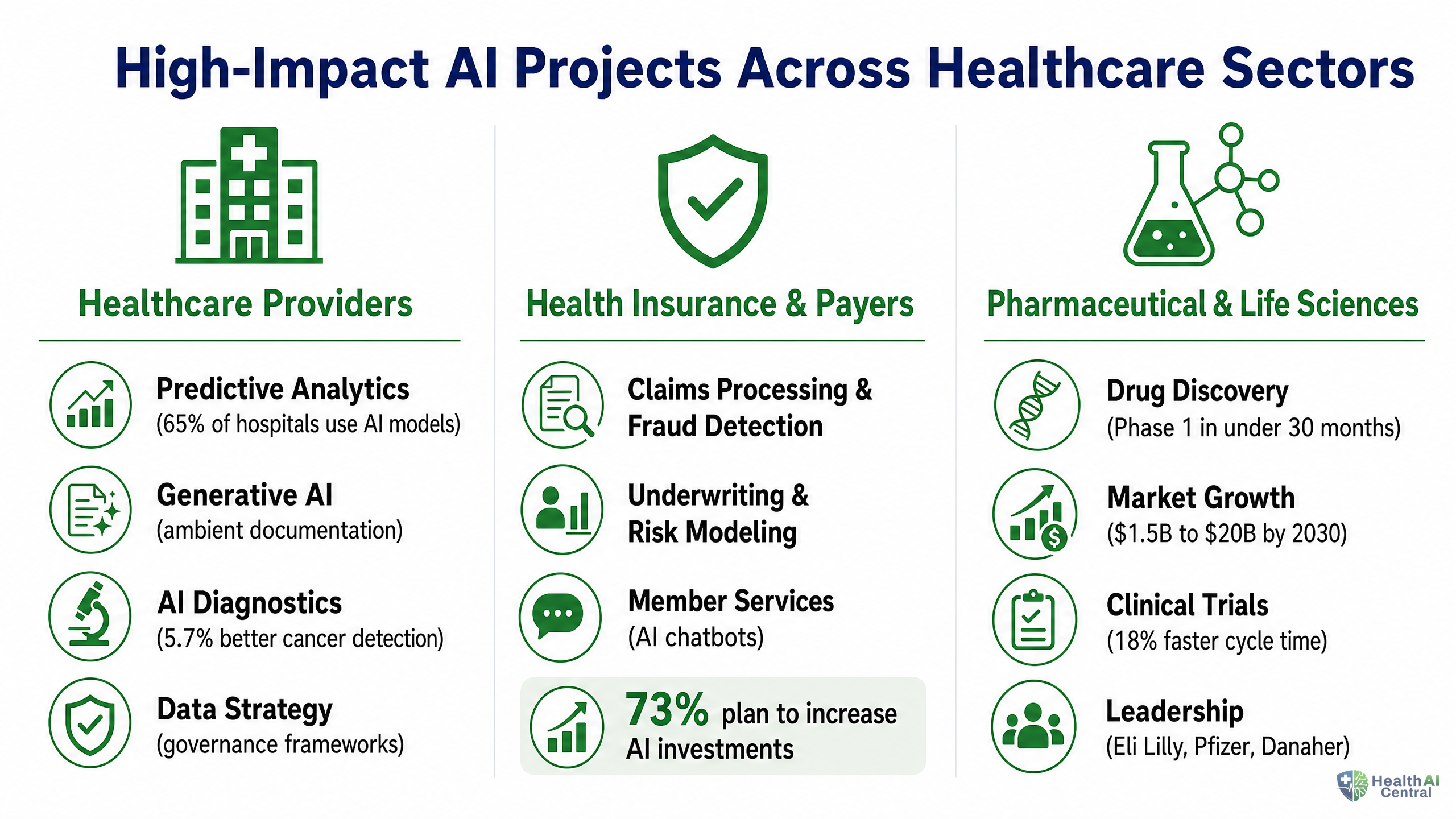
For healthcare providers, predictive analytics is a major focus area. Currently, 65% of U.S. hospitals use AI predictive models, and 79% use them for high-risk outpatients [8], leading to a 10% reduction in hospitalization rates [14]. These models analyze vast datasets—electronic health records, lab results, vital signs, social determinants—to identify patients at risk of deterioration, readmission, or adverse events before traditional clinical indicators would raise concern.
Generative AI is also making significant inroads in the provider space. Mass General Brigham uses a "clinical trial" approach for ambient documentation, treating each AI deployment with the same rigor applied to clinical research [17]. This methodology—piloting, measuring, iterating, and scaling—exemplifies the AI-native mindset: treating AI not as a product to purchase but as a capability to develop and refine continuously.
In AI diagnostics, Mass General Hospital has achieved 5.7% better cancer detection and 20% faster interpretation [18]. These improvements compound over thousands of patients, translating into earlier diagnoses, better outcomes, and more efficient use of specialist time.
Data strategy is another key pillar. Organizations like Ascension are developing proprietary data intelligence layers that serve as the foundation for AI applications across the enterprise [19], while UC Davis has established comprehensive AI governance frameworks that balance innovation with responsible deployment [20]. These infrastructure investments reflect a mature understanding that AI-native transformation requires not just algorithms but robust data foundations.
Health Insurance & Payers
In the payer space, claims processing and fraud detection are being revolutionized. AI analyzes vast claims data in real-time to identify fraud, waste, and abuse—patterns that would be invisible to human reviewers working through claims sequentially [22]. Underwriting and risk modeling have also improved substantially, as AI enables more accurate risk assessment and personalized pricing that better reflects individual health trajectories rather than broad demographic categories [22].
Member services are being transformed through generative AI, which personalizes chatbots, health recommendations, and care management interactions [22]. These tools can engage members proactively—identifying gaps in care, suggesting preventive services, and connecting individuals with appropriate resources before health issues escalate. Recognizing this potential, 73% of providers and payers plan to increase AI investments [22].
For payers pursuing an AI-native strategy, the opportunity extends beyond operational efficiency. AI enables a fundamental shift from reactive claims processing to proactive health management—from paying for illness to investing in wellness. The CHAIO helps payer organizations navigate this strategic transformation while managing the regulatory and ethical complexities of using AI to make coverage and pricing decisions.
Pharmaceutical & Life Sciences
The pharmaceutical sector is seeing perhaps the most dramatic gains from AI adoption, particularly in drug discovery. AI-discovered drugs are now reaching Phase 1 trials in under 30 months, compared to traditional multi-year timelines that often stretch to a decade or more [23]. This acceleration has profound implications for patients waiting for new therapies and for the economics of pharmaceutical R&D.
The market growth reflects this potential: AI in drug discovery is projected to grow from $1.5 billion in 2023 to $20 billion by 2030 [25]. In clinical trials, AI reduces mean cycle time by 18% and cuts regulatory documentation time by 63% [26]—efficiencies that translate directly into faster patient access to new treatments and reduced development costs.
Reflecting this strategic shift, major pharmaceutical players like Eli Lilly, Pfizer, and Danaher have all appointed CAIOs to lead their AI transformation [3] [4] [5]. These appointments signal that the industry's largest organizations view AI not as a research tool but as a strategic capability that requires dedicated C-suite leadership—the same AI-native philosophy emerging across the healthcare ecosystem.
Implementation Solutions
Healthcare organizations face significant barriers to AI adoption. The CHAIO provides high-level, strategic leadership required to overcome these barriers and build truly AI-native organizations.
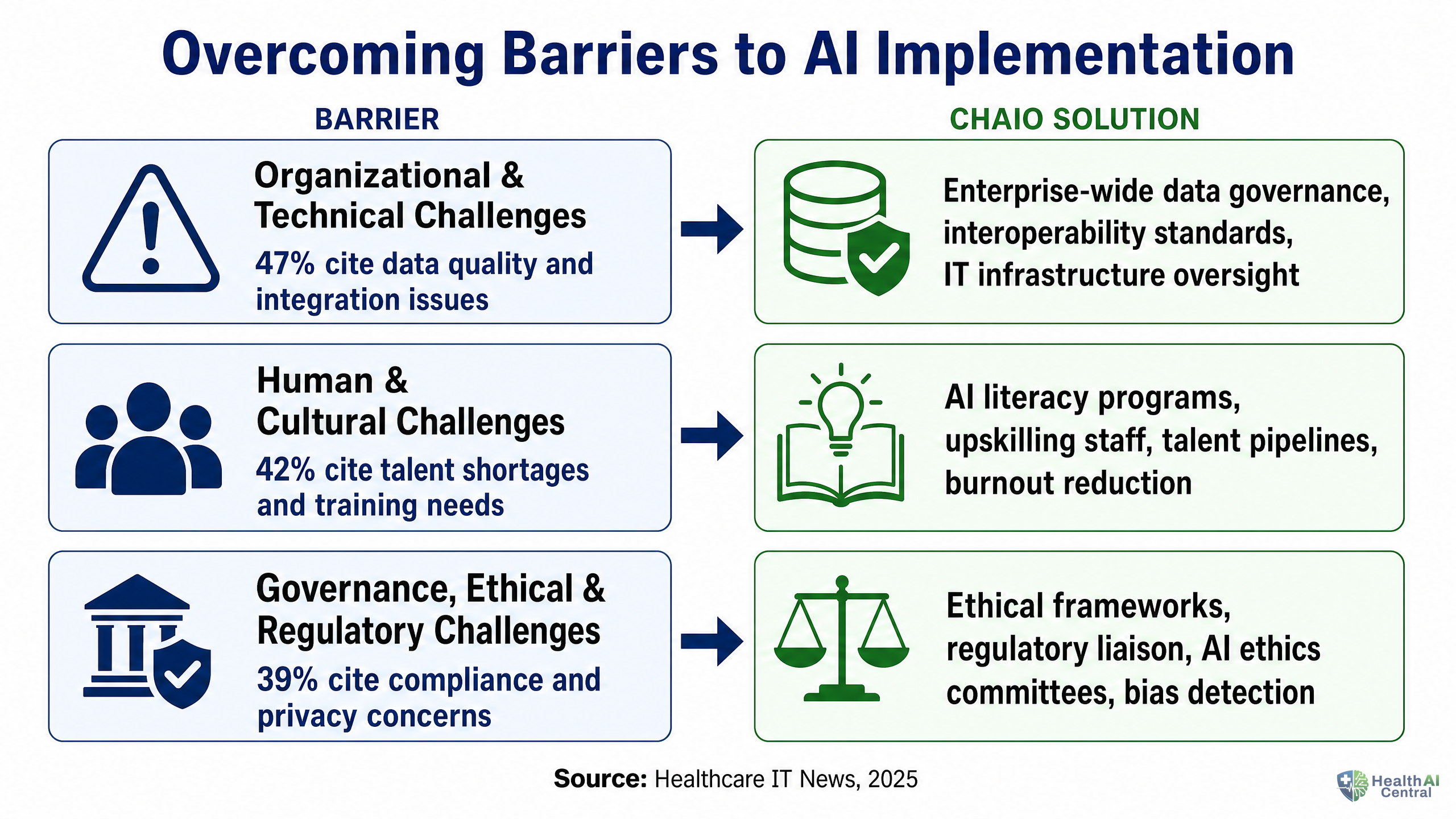
Organizational & Technical Challenges: Nearly half (47%) of healthcare leaders cite data quality, integration, and infrastructure limitations as primary barriers [8]. Healthcare data is notoriously fragmented—spread across EHR systems, imaging archives, claims databases, and departmental silos that were never designed to interoperate. The CHAIO establishes enterprise-wide data governance, ensures data quality and interoperability, and oversees IT infrastructure development. They champion the data architecture investments necessary to support AI at scale, recognizing that no algorithm can overcome poor data foundations.
Human & Cultural Challenges: Talent shortages and training needs are cited by 42% of leaders [8]. The healthcare AI talent market is intensely competitive, with demand far outstripping supply for professionals who combine technical AI expertise with healthcare domain knowledge. The CHAIO develops AI literacy programs, upskills existing staff, builds talent pipelines through academic partnerships, and addresses clinician resistance by championing solutions that demonstrably reduce burnout rather than adding to it. They also cultivate internal talent—identifying clinicians and informaticists with aptitude for AI work and creating pathways for them to develop these skills.
Governance, Ethical, & Regulatory Challenges: Regulatory compliance and data privacy concerns are top of mind for 39% of leaders [8]. The regulatory landscape for AI in healthcare is evolving rapidly, with new guidance emerging from the FDA, CMS, OCR, and international bodies. The CHAIO establishes ethical and regulatory frameworks, serves as a liaison with regulatory bodies, implements AI ethics committees, and ensures bias detection and mitigation. They stay ahead of regulatory developments and position the organization to comply proactively rather than reactively—turning regulatory readiness into a competitive advantage.
The Path to AI-Native Healthcare
The journey from AI experimentation to AI-native operations is not a simple technology upgrade. It represents a fundamental organizational transformation—one that touches strategy, culture, governance, talent, and clinical practice simultaneously. The CHAIO is the leader who orchestrates this transformation, ensuring that each dimension advances in concert with the others.
Organizations at the early stages of this journey typically begin with isolated AI pilots—a sepsis prediction model here, an ambient documentation tool there. Without centralized leadership, these pilots often remain just that: isolated experiments that never scale. The CHAIO transforms this fragmented approach into a systematic capability-building exercise, establishing the infrastructure, governance, and culture that allow successful pilots to become enterprise-wide capabilities.
More mature organizations—those further along the AI-native continuum—face different challenges. They must manage growing portfolios of AI applications, ensure consistent governance across dozens or hundreds of models, develop increasingly sophisticated approaches to model monitoring and maintenance, and continuously demonstrate ROI to boards and investors. The CHAIO provides the strategic leadership necessary to navigate these scaling challenges.
Conclusion
The Chief Health AI Officer is a transformational leader who is essential for any healthcare organization—whether a provider, payer, pharmaceutical company, or medical device manufacturer—that is serious about building an AI-native enterprise. This is not about adopting AI tools. It is about fundamentally reimagining how the organization delivers care, manages operations, and creates value—with artificial intelligence as a core capability rather than an add-on.
By providing strategic direction, ensuring responsible governance, demonstrating measurable ROI, and fostering a culture of AI literacy, the CHAIO enables healthcare organizations to move beyond experimentation and emerge as leaders in the new era of AI-native healthcare.
The evidence is clear: organizations with a CHAIO achieve greater ROI on AI investments, are more likely to outperform peers on innovation, and are better positioned to address the ethical and regulatory challenges inherent in AI deployment [6]. As the regulatory environment grows more complex, as AI capabilities accelerate, and as patients increasingly expect AI-enhanced care, the organizations that thrive will be those that invested early in dedicated AI leadership.
The question for healthcare executives is no longer whether to appoint a Chief Health AI Officer. It is whether they can afford not to.
References
[1] Beecy, A. N., et al. (2024). The Chief Health AI Officer. NEJM AI, 1(7). https://ai.nejm.org/doi/abs/10.1056/AIp2400109
[2] Diaz, N. (2024). Which health systems have chief AI officers? Becker's Hospital Review. https://www.beckershospitalreview.com/healthcare-information-technology/ai/which-health-systems-have-chief-ai-officers/
[3] (2024). Lilly names Mount Sinai scientist as first chief AI officer. BioPharma Dive. https://www.biopharmadive.com/news/lilly-chief-ai-office-thomas-fuchs-mount-sinai/729326/
[4] Siwicki, B. (2024). Chief AI Officer: Healthcare's hot new role. Healthcare IT News. https://www.healthcareitnews.com/news/chief-ai-officer-healthcares-hot-new-role-demands-rare-combination-skill-sets
[5] (2025). Danaher Appoints Martin Stumpe as Chief Technology and AI Officer. Danaher Investors. https://investors.danaher.com/2025-06-27-Danaher-Appoints-Martin-Stumpe-as-Chief-Technology-and-AI-Officer
[6] (2025). How Chief AI Officers deliver AI ROI. IBM Institute for Business Value. https://www.ibm.com/thought-leadership/institute-business-value/en-us/report/chief-ai-officer
[7] (2024). Responsible AI Guide (RAIG). Coalition for Health AI. https://assets.ctfassets.net/7s4afyr9pmov/6e7PrdrsNTQ5FjZ4uyRjTW/c4070131c523d4e1db26105aa51f087d/CHAI_Responsible-AI-Guide.pdf
[8] Eddy, N. (2025). Healthcare AI adoption up, but challenges persist. Healthcare IT News. https://www.healthcareitnews.com/news/healthcare-ai-adoption-data-and-integration-challenges-persist
[9] Chou, D. (2025). Is A Chief AI Officer Essential For Healthcare? Forbes. https://www.forbes.com/sites/davidchou/2025/02/09/is-a-chief-ai-officer-essential-for-healthcare-or-just-another-title/
[10] Kasya, A. (2024). How Chief AI Officers Are Guiding Healthcare Companies. Forbes. https://www.forbes.com/councils/forbestechcouncil/2024/06/13/how-chief-ai-officers-are-guiding-healthcare-companies-into-the-future/
[11] (2025). AI in Healthcare: Opportunities and False Claims Risks. Morgan Lewis. https://www.morganlewis.com/pubs/2025/07/ai-in-healthcare-opportunities-enforcement-risks-and-false-claims-and-the-need-for-ai-specific-compliance
[12] (2025). Health system AI adoption outpaces governance. HFMA. https://www.hfma.org/press-releases/health-system-adoption-of-ai-outpaces-internal-governance-and-strategy/
[13] Siwicki, B. (2024). Predictive AI saves 50 lives annually at UC San Diego. Healthcare IT News. https://www.healthcareitnews.com/news/every-year-predictive-ai-saves-50-lives-two-ers-uc-san-diego-health
[14] (2025). The ROI on AI at 8 health systems. Becker's Hospital Review. https://www.beckershospitalreview.com/healthcare-information-technology/ai/the-roi-on-ai-at-8-health-systems/
[15] Eddy, N. (2025). Cedars-Sinai CAIO: AI transforming caregiver-IT relationship. Healthcare IT News. https://www.healthcareitnews.com/news/cedars-sinai-caio-ai-transforming-relationship-between-caregivers-and-it
[16] (2024). Hospitals' use of AI-assisted predictive tools. University of Minnesota School of Public Health. https://www.sph.umn.edu/news/new-study-analyzes-hospitals-use-of-ai-assisted-predictive-tools-for-accuracy-and-biases/
[17] (2025). Mass General takes 'clinical trial' approach to AI. Becker's Hospital Review. https://www.beckershospitalreview.com/healthcare-information-technology/ai/mass-general-takes-clinical-trial-approach-to-ai/
[18] Khalifa, M. (2024). AI in diagnostic imaging. ScienceDirect. https://www.sciencedirect.com/science/article/pii/S2666990024000132
[19] (2025). Ascension's CAIO uses math background. Healthcare IT News. https://www.healthcareitnews.com/news/ascensions-caio-uses-math-background-has-problem-solving-attitude
[20] (2023). Singh K Named Chief Health AI Officer at UC San Diego. UC San Diego Health.
[22] Multiple payer sector sources synthesized from research findings.
[23] From Start to Phase 1 in 30 Months. Insilico Medicine. https://insilico.com/phase1
[24] Jayatunga, M. K. P., et al. (2024). AI-discovered drugs in clinical trials. ScienceDirect. https://www.sciencedirect.com/science/article/pii/S135964462400134X
[25] (2024). AI In Drug Discovery Market Report, 2030. Grand View Research. https://www.grandviewresearch.com/industry-analysis/artificial-intelligence-drug-discovery-market
[26] (2024). New Insights On the Impact of AI-Enabled Solutions. Applied Clinical Trials. https://www.appliedclinicaltrialsonline.com/view/new-insights-on-the-impact-of-ai-enabled-solutions
[27] (2024). AI adoption in life sciences labs: skills gap. Pistoia Alliance. https://www.pistoiaalliance.org/news/survey-ai-adoption-life-sciences-labs-skills-gap/
[28] Lin, J. C. (2025). Benefit-Risk Reporting for FDA-Cleared AI/ML Devices. JAMA Health Forum. https://jamanetwork.com/journals/jama-health-forum/fullarticle/2839236
[29] (2025). EU AI Act & High-Risk AI in Medical Devices. Freyrs Solutions. https://www.freyrsolutions.com/blog/eu-ai-act-and-high-risk-ai-in-medical-devices-preparing-for-compliance-competing-for-the-future
[30] Market growth statistics from MedTech AI market projections.
[32] (2025). How HCA Healthcare Is Using AI to Redefine Patient Safety. American Hospital Association. https://www.aha.org/news/blog/2025-10-16-smarter-safer-hospitals-how-hca-healthcare-using-ai-redefine-patient-safety
[33] (2025). Salary: Chief Ai Officer in United States 2025. Glassdoor. https://www.glassdoor.com/Salaries/chief-ai-officer-salary-SRCH_KO0%2C16.htm
[34] (2025). Top 10 Highest-Paying AI Jobs in 2025. Northwest Education. https://northwest.education/insights/technology/top-10-highest-paying-ai-jobs/
[35] Chief AI Officer Salaries: Key Trends & Insights. eMediaAI.com. http://eMediaAI.com
Companies in this article
 Insilico MedicineCambridge, MA, USA · Founded 2014Insilico Medicine is a clinical-stage biotech company leveraging generative AI to transform drug discovery and development for extending healthy longevity.View company profile →
Reporting & accountability
How we maintain accuracy
Health AI Central separates reported facts, analysis, and public-source data. Readers can review our standards, request a correction, or consult the relevant research methodology before relying on a claim.