

Blood Test Predicts Lung Cancer a Decade Before Symptoms Appear
University of Hawaiʻi researchers achieve 95% accuracy using 31 RNA markers that flag cancer risk up to 10 years ahead of clinical diagnosis.
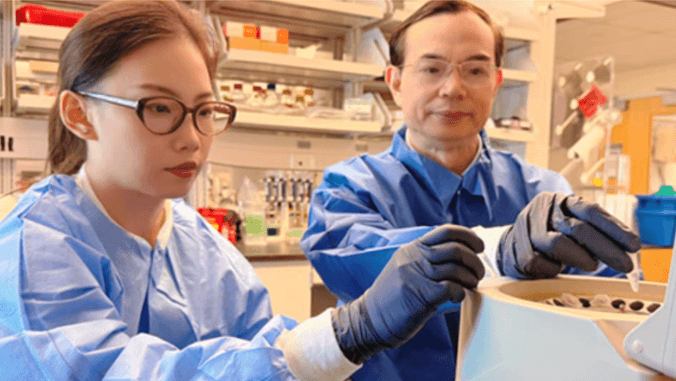
Lung cancer remains one of the deadliest malignancies worldwide, largely because most cases are detected only after symptoms emerge—often when treatment options are limited. Now, researchers at the University of Hawaiʻi have unveiled a blood-based biomarker panel that could fundamentally change this trajectory, identifying individuals at high risk up to a decade before traditional diagnostic methods catch the disease.
The breakthrough centers on 31 small non-coding RNA molecules circulating in blood that, when analyzed together, predict future lung cancer development with 95% accuracy. Published in the journal Advanced Science, the findings emerge from analysis of stored blood samples from participants in the Multiethnic Cohort Study—samples collected years before any cancer diagnosis.
A Decade-Long Warning Signal
The research team, led by Youping Deng, co-director of genomics research at the UH Cancer Center, alongside PhD candidate Zhuokun Feng and Masaki Nasu from the Department of Quantitative Health Sciences at UH Mānoa's John A. Burns School of Medicine, discovered that these RNA markers remain predictive across a 5-10 year window. The association held strong even after researchers controlled for conventional risk factors including age, sex, ethnicity, and smoking history—suggesting the biomarkers capture biological changes independent of known contributors.
Loïc Le Marchand, lead investigator for the Multiethnic Cohort Study, served as co-author on the work. The computer model trained on these 31 markers achieved its 95% accuracy benchmark during testing, positioning the panel among the most promising predictive cancer biomarkers to date.
From Discovery to Clinical Application
The research received funding from the National Institutes of Health, including grants connected to the UH Pacific Center for Genome Research, which was established in 2023 with a $10.9 million NIH award. The team is now pursuing patent protection for both the biomarker panel and its potential clinical applications, signaling intent to move the discovery toward real-world diagnostic use.
For healthcare systems, a validated blood test capable of flagging lung cancer risk years in advance could transform screening protocols. Current approaches rely heavily on CT imaging for high-risk populations, but a simple blood draw offering decade-long foresight could enable earlier intervention strategies, more targeted surveillance, and potentially preventive therapies before malignancy takes hold.
Implications for Precision Medicine
The study's foundation in the Multiethnic Cohort Study carries additional significance for health equity. By developing biomarkers in a diverse population, the research addresses longstanding gaps in precision medicine, where many diagnostic tools have been validated primarily in homogeneous groups.
As liquid biopsy technologies and AI-driven diagnostics continue to evolve, the 95% accuracy threshold set by this RNA panel establishes a new benchmark for the field. The 10-year prediction window represents a substantial extension beyond current early detection capabilities, potentially opening a new frontier in cancer interception—catching the disease not just early, but before it fully emerges.
Sources
Reporting & accountability
How we maintain accuracy
Health AI Central separates reported facts, analysis, and public-source data. Readers can review our standards, request a correction, or consult the relevant research methodology before relying on a claim.