

AI System Could Slash Unnecessary Antibiotic Prescriptions by Half in Sore Throat Cases
Japanese researchers report a multimodal AI combining throat images and clinical data achieved 91.7% accuracy distinguishing bacterial from viral infections, though manufacturer conflicts demand independent validation.
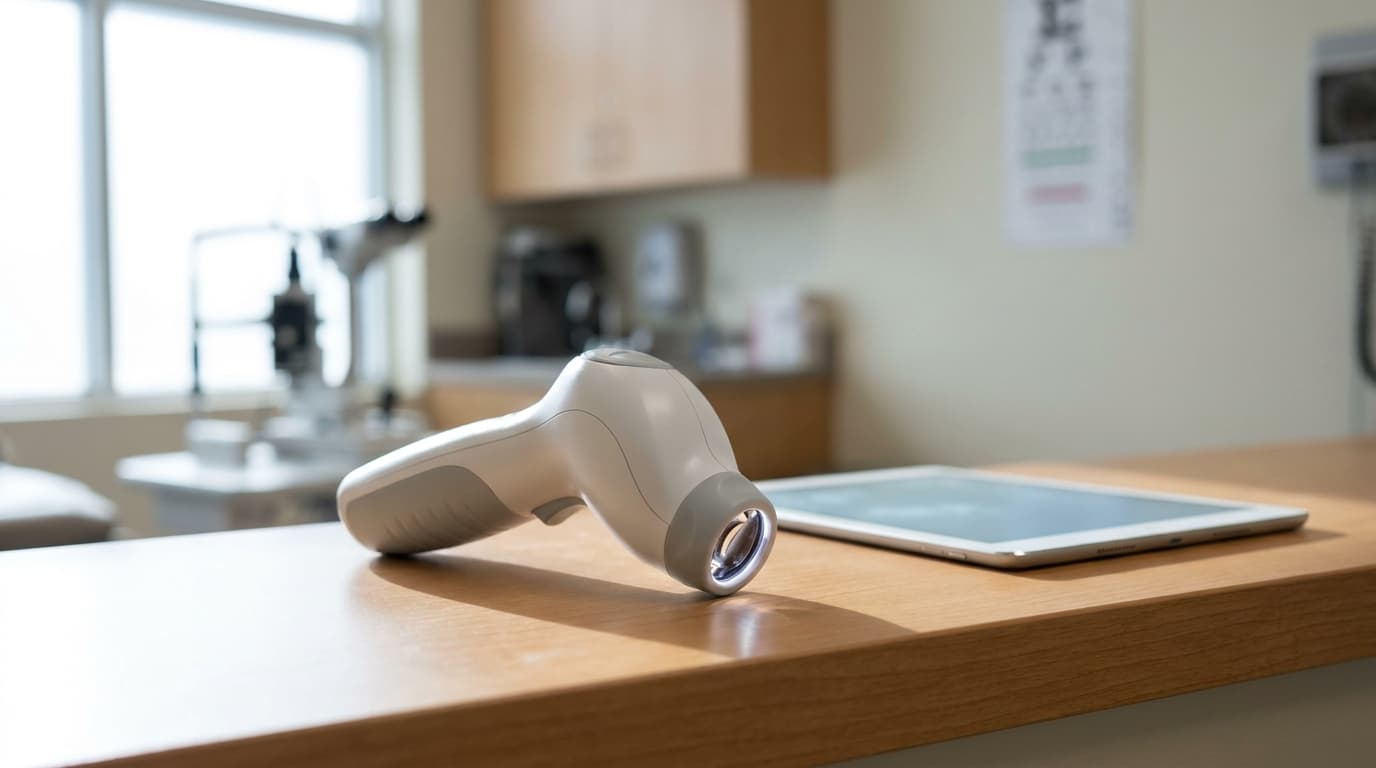
Illustration: AI-generated
Distinguishing a bacterial sore throat requiring antibiotics from a viral infection that doesn't remains one of primary care's most consequential diagnostic challenges—and a major driver of unnecessary antibiotic use. Now, a multimodal artificial intelligence system developed in Japan has demonstrated the potential to reduce antibiotic prescriptions by 23–56% while maintaining high diagnostic accuracy, according to research published in npj Digital Medicine.
The AI system, which fuses pharyngeal images with clinical metadata, achieved an area under the curve (AUC) of 0.917 in distinguishing Group A streptococcus (GAS) pharyngitis from viral upper respiratory tract infections across 6,666 patient visits at 44 facilities. However, the study's manufacturer funding and internal validation design mean independent confirmation will be essential before clinical deployment.
Multimodal Approach Outperforms Single-Data Streams
The research team trained their system on 119,988 pharyngeal images collected between March 2023 and August 2025, combining a Swin Transformer architecture for image analysis with gradient boosting decision trees for clinical metadata. This fusion model outperformed both image-only analysis (AUC 0.902) and metadata-only approaches (AUC 0.871), as well as traditional Centor and McIsaac clinical scoring systems used in current practice.
At a pre-specified high-specificity threshold of 0.90 or greater—designed to confidently rule in bacterial cases—the system achieved 76.1% sensitivity. This performance threshold reflects a deliberate clinical trade-off: prioritizing confidence when recommending antibiotics while accepting that approximately one-quarter of GAS cases would require follow-up testing.
The researchers' simulations across GAS prevalence rates of 5–20% suggested the AI could reduce antibiotic prescriptions by nearly half in many clinical settings, a potentially significant contribution to antimicrobial stewardship efforts amid rising concerns about antibiotic resistance.
Critical Validation Questions Remain
While the internal validation results appear promising, the study carries substantial conflicts of interest that underscore the need for independent external validation. Four authors—S. Okiyama, Y. Ariyasu, H. Yoshihara, and A. Fujita—are executives or employees of Aillis, Inc., the company that funded the research and manufactures the nodoca pharyngeal camera used in data collection.
For healthcare providers, the 76.1% sensitivity at high-specificity thresholds presents a clinical integration challenge. Negative AI results would likely require adjunctive rapid antigen or culture testing to avoid missing bacterial infections, adding complexity to point-of-care workflows. The system's value proposition depends on whether the combination of AI screening plus selective confirmatory testing proves more efficient and accurate than current diagnostic pathways.
Implications for Antibiotic Stewardship
If independently validated and appropriately deployed, this technology could address a critical gap in primary care diagnostics. The multimodal approach—requiring both imaging hardware and AI software—validates the business case for integrated diagnostic platforms, though it adds a procedural step to clinical encounters.
The 23–56% antibiotic reduction projections represent a compelling value proposition for payers and antimicrobial stewardship programs, but realizing these benefits will require prospective clinical trials demonstrating real-world effectiveness and safety. Until external validation confirms these internal results and establishes optimal clinical integration protocols, this AI system remains a promising but unproven tool in the fight against antibiotic overuse.
Sources
Follow Health AI Central
Keep up with health AI where you already read
On LinkedIn
The day’s strongest health AI stories in your feed, one or two each weekday.
On Google
Choose Health AI Central as a preferred source, and Google is more likely to show our reporting in Top Stories.
Reporting & accountability
How we maintain accuracy
Health AI Central separates reported facts, analysis, and public-source data. Readers can review our standards, request a correction, or consult the relevant research methodology before relying on a claim.