

Vibrating Wearable Adds 46 Minutes of Sleep Nightly for Short Sleepers in Massive Real-World Study
Analysis of nearly 475,000 nights reveals dose-dependent sleep extension from tactile stimulation device, offering non-pharmaceutical alternative for sleep-deprived adults
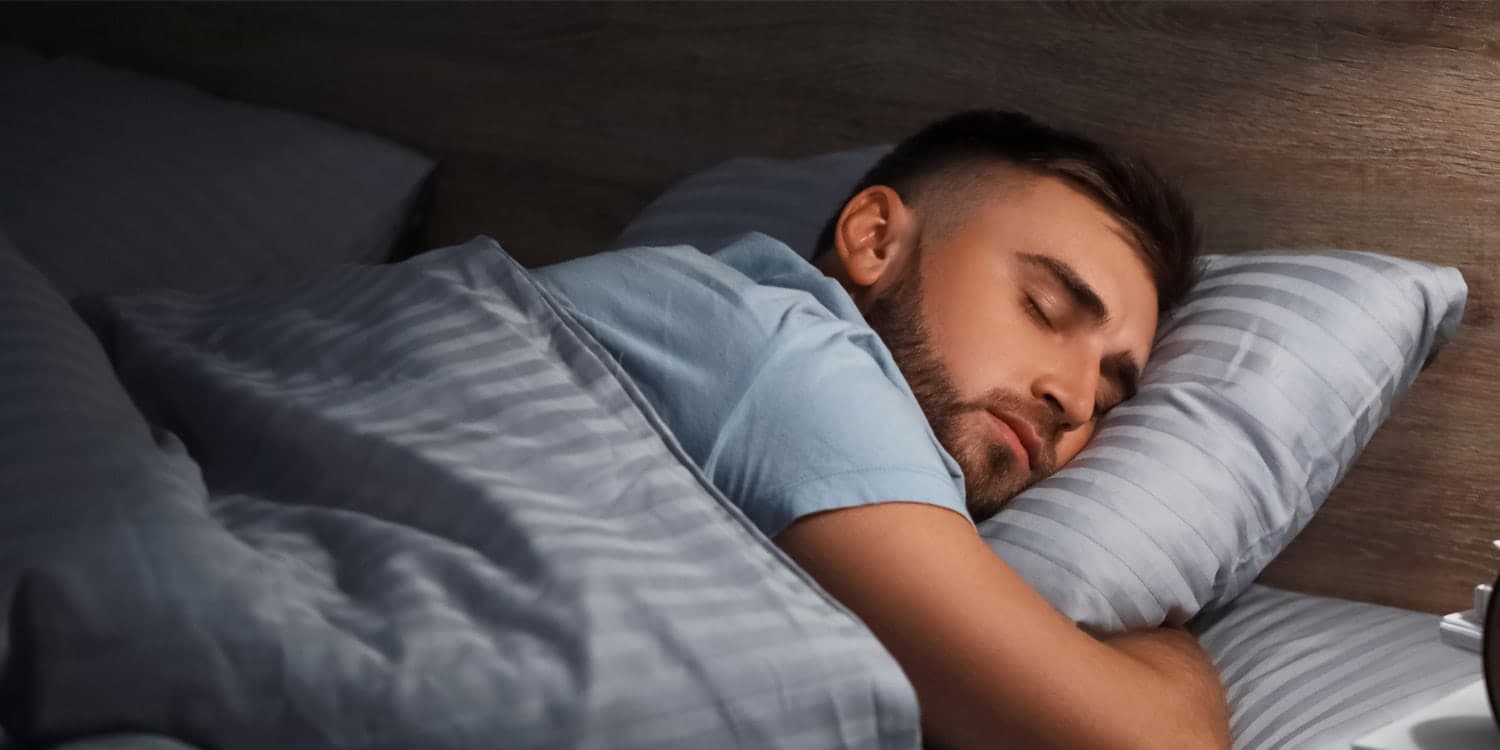
Chronic sleep deprivation affects approximately 70 million American adults who regularly sleep six hours or less per night—well below the CDC's recommended seven-hour minimum. A large-scale retrospective study suggests a wearable device delivering gentle vibrations may offer a medication-free solution, extending sleep duration by up to 46 minutes nightly for the most sleep-deprived users.
The study, published in JMIR mHealth and uHealth, analyzed data from 935 users of the Apollo Neuro wearable device paired with Oura Ring sleep tracking across 474,852 nights of observation between January 2019 and May 2022. This represents one of the largest real-world datasets examining non-pharmacological sleep extension technology.
Dose-Dependent Sleep Gains Across Baseline Durations
Researchers employed linear mixed-effects models to control for individual differences and found a clear dose-response relationship: longer device usage correlated with greater sleep extension. The most dramatic results appeared in short sleepers—those averaging six hours or less at baseline—who used the device for more than 240 minutes nightly. This group gained an average of 46 additional minutes of sleep, with median total sleep time increasing from 350 to 381 minutes.
Moderate sleepers (6-7 hours baseline) experienced 35 additional minutes with extended device use, while those already sleeping 7-8 hours gained 13 minutes. The device delivers transcutaneous vibratory stimulation, theorized to influence the autonomic nervous system and shift the body from stress to relaxation states conducive to sleep.
Beyond duration, short sleepers showed approximately 6% increases in REM sleep proportion. Users with more than 240 minutes of nightly device exposure experienced a 77% reduction in odds of severely shortened sleep nights (≤6 hours), with a 49% reduction observed in those using the device 181-240 minutes.
Significant Limitations Require Cautious Interpretation
The observational design presents important limitations. Without randomization or control groups, researchers cannot definitively establish causality—motivated users who consistently wore the device for extended periods may have differed systematically from less engaged participants. The study also lacked subjective sleep quality measures, leaving unanswered whether additional sleep minutes translate to improved daytime functioning or feeling more rested.
The massive dataset provides compelling real-world evidence, though the absence of placebo controls and potential selection bias warrant caution before clinical recommendations.
Clinical and Market Implications
For healthcare providers, the findings offer preliminary evidence for discussing non-pharmacological interventions with patients seeking alternatives to prescription medications. The dose-dependent relationship enables specific usage guidance, though clinicians should await randomized controlled trials before making definitive recommendations.
The device represents an accessible option requiring no prescription, though the $349 price point may limit accessibility compared to pharmaceutical options covered by insurance. The study positions Apollo Neuro competitively in the digital therapeutics space, potentially influencing competitors including Whoop and Fitbit to consider active intervention capabilities beyond passive monitoring.
As digital therapeutics gain clinical credibility, the distinction between tracking and treating sleep disorders may define the next generation of wearable health technology. However, rigorous controlled trials remain essential to validate these observational findings.
Sources:
1. A tactile wearable device suggests promising results for extending total sleep time — PsyPost
Companies in this article

Reporting & accountability
How we maintain accuracy
Health AI Central separates reported facts, analysis, and public-source data. Readers can review our standards, request a correction, or consult the relevant research methodology before relying on a claim.