

UK's Digital Pathology Revolution Hits Critical Mass as Network Reaches 15 NHS Sites
Nation's first coordinated digital pathology platform achieves operational scale, creating new opportunities for AI-assisted diagnostics and remote expert consultation across the National Health Service.
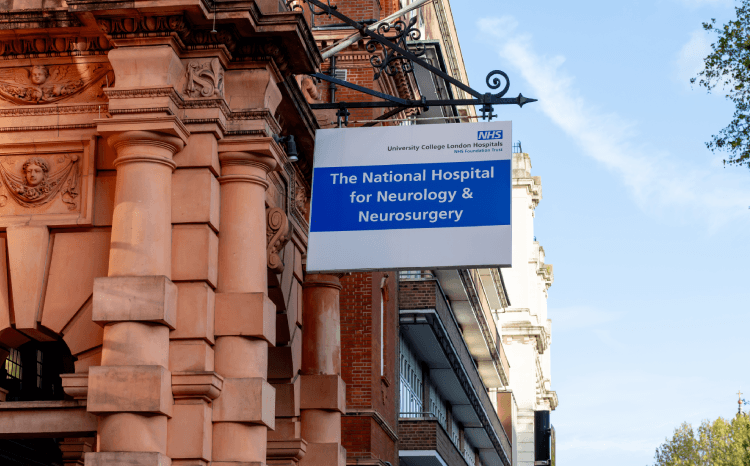
The United Kingdom has reached a pivotal milestone in diagnostic modernization, expanding its first national digital pathology network to 15 NHS sites. This coordinated infrastructure deployment represents more than incremental digitization—it establishes the technical foundation for AI-assisted diagnostics, remote pathology workflows, and cross-institutional collaboration at a scale previously unseen in British healthcare.
The expansion moves digital pathology beyond isolated pilot projects into operational reality, connecting multiple NHS trusts through a unified platform that enables whole slide imaging and networked diagnostic services. For health technology companies developing AI diagnostic tools and computational pathology solutions, this national-scale deployment signals both market validation and emerging technical requirements for enterprise healthcare integration.
Addressing Workforce Shortages Through Digital Infrastructure
The networked approach directly confronts one of pathology's most persistent challenges: workforce distribution and capacity constraints. By enabling pathologists to work remotely and collaborate across geographic boundaries, the platform allows expertise to flow where demand exists rather than requiring physical presence at every diagnostic site.
Connected NHS trusts can now share workload during capacity crunches, facilitate expert second opinions without physical slide transport, and maintain diagnostic services even when local staffing faces temporary shortages. This flexibility becomes particularly valuable for specialized pathology subspecialties where expertise concentrates in academic medical centers but diagnostic needs span community hospitals.
The digital infrastructure also creates opportunities for quality assurance programs and multi-pathologist review protocols that would prove logistically impractical with traditional glass slide workflows. These collaborative capabilities may improve diagnostic accuracy while simultaneously reducing turnaround times—outcomes that directly impact patient care pathways and treatment initiation.
Creating the Foundation for AI Integration
While the immediate benefits center on workflow optimization and remote collaboration, the strategic significance lies in establishing infrastructure capable of supporting AI-assisted diagnostics at scale. Whole slide imaging platforms generate standardized digital data that computational pathology algorithms require, transforming pathology from an analog specialty into one positioned for machine learning integration.
The national network approach also addresses a critical challenge for AI diagnostic development: access to diverse, high-quality training data across multiple institutions. Connected sites can potentially contribute to federated learning approaches that improve algorithm performance while maintaining data governance requirements—a capability that isolated digital pathology implementations cannot easily achieve.
For health technology companies, this expansion demonstrates NHS commitment to diagnostic digitization and suggests procurement strategies will increasingly favor interoperable platforms capable of supporting AI tools from multiple vendors. The technical requirements emerging from national-scale deployment—around image standardization, data security, and system integration—will likely influence product development priorities across the digital pathology sector.
Implications Beyond the UK
The UK's coordinated national approach contrasts with the fragmented digital pathology adoption patterns seen in many healthcare systems, where individual institutions implement incompatible solutions. This network model may influence how other countries approach diagnostic digitization, particularly in systems with centralized healthcare governance.
As the platform scales beyond 15 sites, the operational lessons—around change management, technical integration, and workflow redesign—will provide valuable insights for healthcare systems globally considering similar transformations. The expansion represents not just British healthcare modernization, but a potential template for coordinated diagnostic infrastructure development worldwide.
Key Takeaways:
- UK's national digital pathology network expands to 15 NHS sites, moving from pilot to operational scale
- Platform enables remote pathology work, workload sharing, and expert consultation across geographic boundaries
- Infrastructure creates foundation for AI-assisted diagnostics and federated learning approaches
- Coordinated national approach offers potential model for other healthcare systems pursuing diagnostic digitization
Sources
Reporting & accountability
How we maintain accuracy
Health AI Central separates reported facts, analysis, and public-source data. Readers can review our standards, request a correction, or consult the relevant research methodology before relying on a claim.