

The Sweat-Reading Ring That Could Replace Your Glucose Monitor: UC San Diego's Multi-Biomarker Breakthrough
Engineers demonstrate first fully integrated smart ring that tracks up to six metabolic biomarkers from finger sweat without exercise, matching accuracy of commercial glucose monitors in diabetes patients.
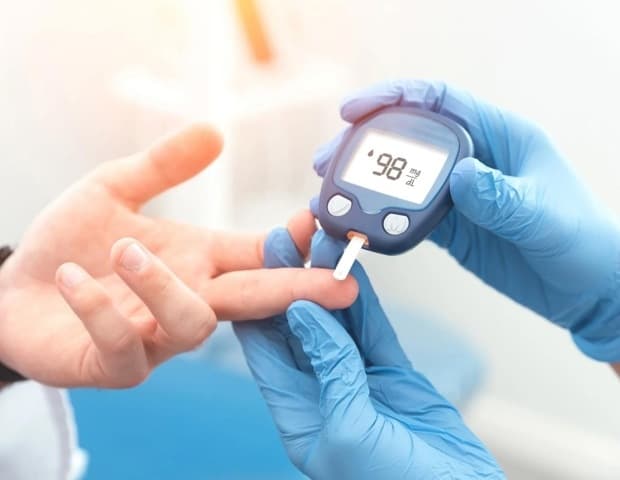
Forget pricking your finger multiple times a day. Engineers at UC San Diego have developed a smart ring that continuously monitors glucose, ketones, and four other biochemical markers by analyzing the sweat on your finger—no workout required. Published in Nature Communications, the breakthrough device represents a significant leap beyond today's commercial smart rings, which can only track physical metrics like heart rate and steps.
The ring uses a passive osmotic hydrogel system to extract sweat from the fingertip, enabling around-the-clock biochemical monitoring without the need for exercise-induced perspiration. In validation studies involving both healthy volunteers and people with type 1 diabetes, the device's glucose readings closely tracked commercial continuous glucose monitors (CGMs), while ketone measurements matched commercial blood meters.
Beyond Biophysical: The First True Metabolic Ring
While popular smart rings from companies like Oura and Samsung have dominated the wearables market with sleep tracking and activity monitoring, they've been limited to biophysical data. The UC San Diego device breaks new ground by measuring actual molecular biomarkers circulating in the body.
"This is the first fully integrated smart ring for daily biochemical monitoring," explains Joseph Wang, professor in the Aiiso Yufeng Li Family Department of Chemical and Nano Engineering at UC San Diego, who led the research. The ring can simultaneously track up to four of six available biomarkers: glucose, ketones, vitamin C, uric acid, lactate, and alcohol.
The device's electronics footprint is smaller than a US quarter coin, housed in a 3D-printed polymer shell. A flexible zinc-silver oxide rechargeable battery powers 12 hours of continuous operation, with data wirelessly transmitted to a smartphone app for real-time monitoring.
Clinical Validation and Diabetes Management Potential
The clinical implications are particularly significant for diabetes management. Traditional blood glucose monitoring requires multiple finger-stick tests daily, while current CGMs—though continuous—only track glucose. The UC San Diego ring's ability to simultaneously monitor both glucose and ketones could transform insulin dosing decisions for type 1 diabetes patients, who need to balance these two critical metabolic markers.
First author Tamoghna Saha, a postdoctoral researcher on the project, notes that the electrochemical sensor array uses subject-specific calibration factors to ensure accuracy across different users. This personalization approach helped the device achieve validation results comparable to established commercial monitoring systems.
Market Disruption on the Horizon
For the health tech industry, this technology creates competitive pressure on multiple fronts. Existing smart ring manufacturers face a challenge to expand beyond biophysical metrics, while CGM companies may need to consider multi-biomarker capabilities to remain competitive. The device also offers patients a less invasive alternative to traditional blood testing while providing actionable real-time metabolic feedback for diet and lifestyle decisions.
The research positions academic innovation to potentially disrupt a wearables market that has largely plateaued on biophysical monitoring, opening new possibilities for continuous metabolic tracking in everyday life.
Sources
Reporting & accountability
How we maintain accuracy
Health AI Central separates reported facts, analysis, and public-source data. Readers can review our standards, request a correction, or consult the relevant research methodology before relying on a claim.