

Tech Giant Teams With Psychologists to Draw the Line Between AI Support and Clinical Care for Teens
OpenAI and the American Psychological Association are building the first evidence-based framework to determine when conversational AI helps adolescents—and when it should step aside for human intervention.
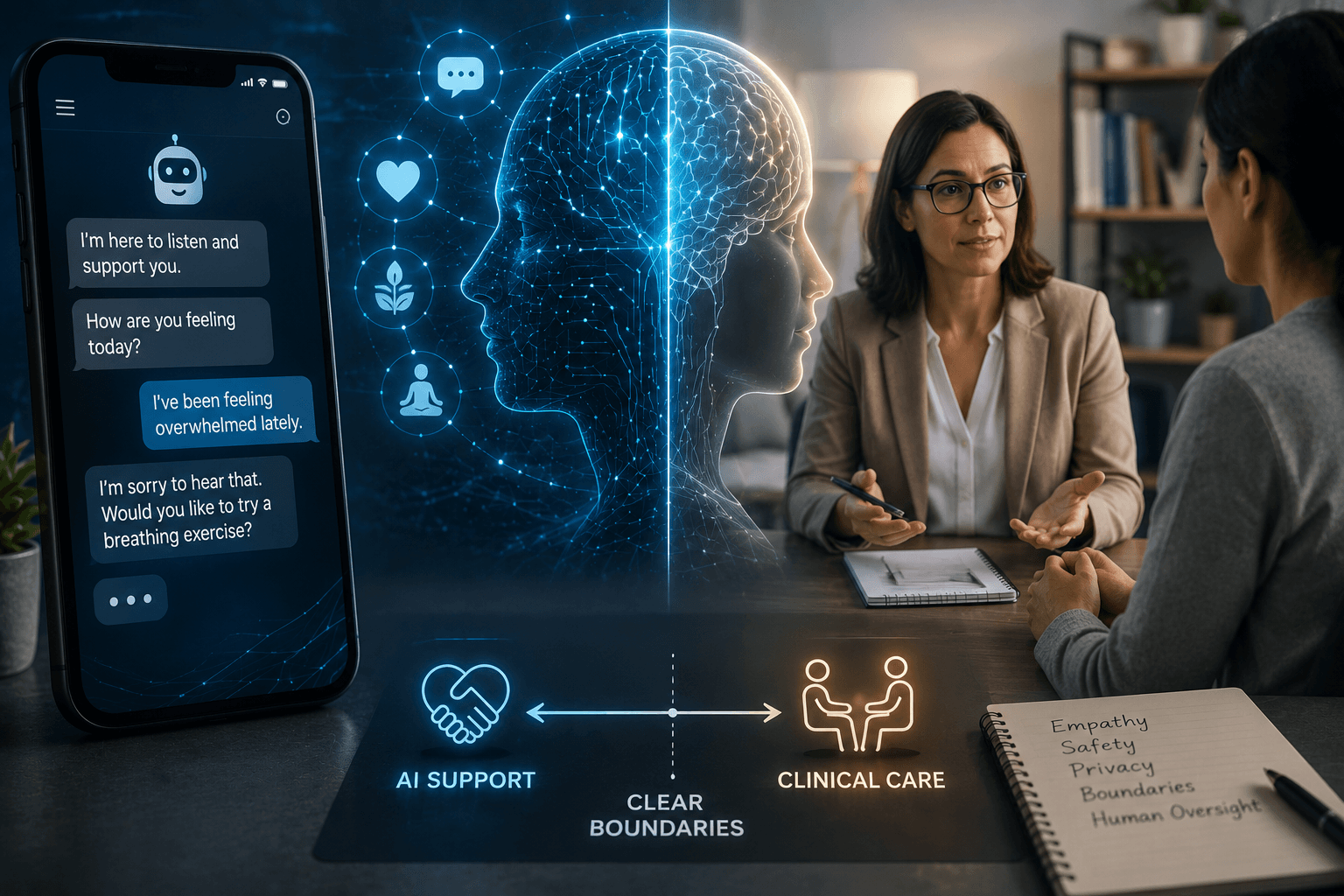
The boundary between helpful digital support and inappropriate substitution for professional care has never been murkier, especially for vulnerable adolescent users. Now, OpenAI has formalized a collaboration with the American Psychological Association (APA) to establish evidence-based safeguards that could reshape how AI systems interact with young people experiencing mental health challenges.
The partnership comes as conversational AI tools increasingly field sensitive questions from teenagers about anxiety, depression, and other mental health concerns—a development that has prompted both enthusiasm about accessibility and alarm about developmental risks.
Building Guardrails Through Clinical Expertise
OpenAI reports consulting with more than 170 mental health experts to enhance ChatGPT's ability to recognize distress signals and respond appropriately. The collaboration with the APA will examine several critical areas: developmentally appropriate AI experiences, distress support protocols, parental guidance tools, and clinical resource integration.
The initiative specifically aims to establish guidelines for when AI can appropriately assist young users versus when human clinical intervention becomes necessary. A central concern is preventing AI from displacing essential human relationships during critical developmental periods—a risk the APA has previously highlighted in calls for stronger, developmentally appropriate protections for younger users.
The framework development involves input from young people themselves, along with parents, educators, caregivers, clinicians, and adolescent development professionals, suggesting a multi-stakeholder approach to what has traditionally been a technology-first design process.
Technical Safeguards Already in Motion
OpenAI has implemented several protective measures while the broader framework takes shape. The company has introduced parental controls allowing linked accounts to manage teenagers' ChatGPT experiences, along with break reminders for adolescent users to encourage healthier usage patterns.
An age-prediction system is being rolled out globally to apply additional protections for users predicted to be under 18. The company has also incorporated under-18 principles into its Model Spec framework and introduced localized crisis resources with one-click access to independent helplines in supported regions.
These technical interventions represent an acknowledgment that AI systems require fundamentally different design considerations when serving adolescent populations, whose cognitive development, emotional regulation, and social needs differ substantially from adult users.
Implications for the Clinical Ecosystem
The collaboration establishes a precedent that could ripple across the digital health landscape. For mental health providers, the emerging framework may produce clinical guidelines and assessment tools to help distinguish between appropriate AI-assisted information-seeking and concerning overreliance that interferes with offline functioning.
Healthcare systems serving adolescents will likely face increased patient questions about AI mental health tools, necessitating institutional policies on when these technologies complement versus contradict clinical care pathways. Staff training on AI literacy and family counseling protocols may become standard components of adolescent mental health services.
For health tech companies, the OpenAI-APA partnership signals that evidence-based, clinically-informed development is becoming the expected standard for youth-facing AI applications. Companies should anticipate heightened regulatory scrutiny and stakeholder expectations around developmental appropriateness, crisis response protocols, and clear boundaries between automated support and professional care.
The collaboration's ultimate test will be whether it can produce actionable guidelines that protect adolescents without eliminating the accessibility benefits that make AI tools appealing in the first place—a balance that will require ongoing refinement as both technology and youth mental health needs continue to evolve.
Sources
Reporting & accountability
How we maintain accuracy
Health AI Central separates reported facts, analysis, and public-source data. Readers can review our standards, request a correction, or consult the relevant research methodology before relying on a claim.