

Samsung's Regulatory Win Puts Pressure on Oura and Ringconn in Race for Medical-Grade Sleep Monitoring
Samsung has secured a significant regulatory advantage in the smart ring market, announcing that its Galaxy Ring will become the first FDA-cleared device in its category capable of detecting sleep apnea.
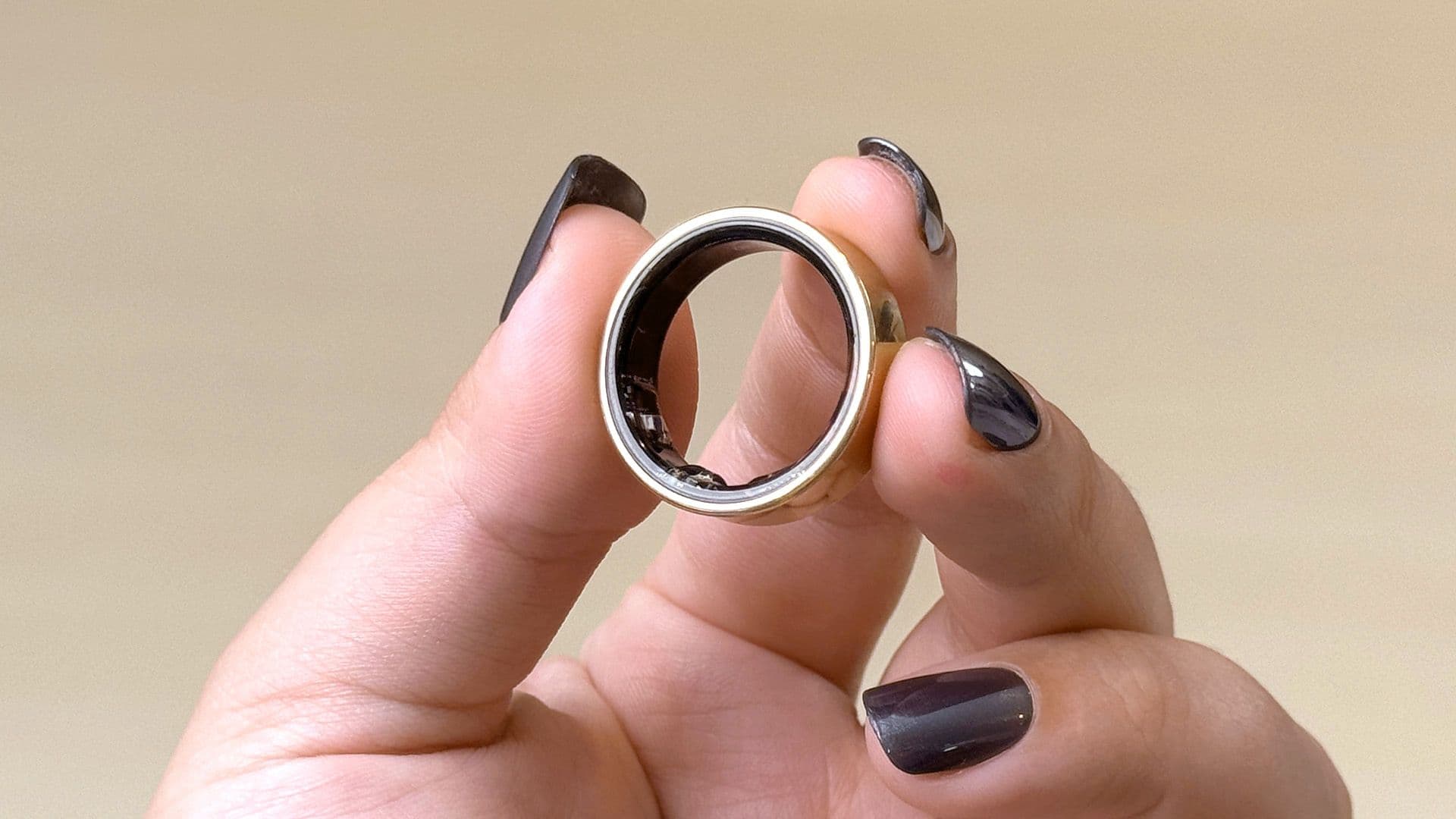
Samsung has secured a significant regulatory advantage in the smart ring market, announcing that its Galaxy Ring will become the first FDA-cleared device in its category capable of detecting sleep apnea. The feature, set to roll out this fall, positions Samsung ahead of competitors like Oura and Ringconn, which offer sleep-related alerts but lack formal FDA clearance for diagnostic capabilities.
The announcement, made at Samsung's annual Galaxy Unpacked event, represents more than a product update—it signals the maturation of consumer wearables into clinically validated medical devices. While the Ringconn Gen 2 provides sleep apnea alerts and the Oura Ring 5 screens for breathing disturbances, neither has achieved the regulatory milestone Samsung now claims, creating clear differentiation in a market where health monitoring features have become key selling points.
The Clinical Significance of FDA Clearance
The distinction between FDA-cleared detection and unregulated wellness alerts is substantial. Samsung's sleep apnea detection feature requires multiple nights of calibration before delivering actionable results, with users receiving morning reports that include guidance to seek medical review when concerning patterns emerge. This structured approach mirrors the methodology already deployed in Samsung's Galaxy Watch 7, 8, 9, and Ultra series, which received FDA clearance for similar sleep apnea detection capabilities.
Sleep apnea affects millions of adults and frequently goes undiagnosed, contributing to long-term cardiovascular complications when left untreated. By bringing FDA-cleared screening to a form factor worn naturally during sleep, Samsung potentially expands the diagnostic funnel for a condition that traditionally required referral to sleep clinics for polysomnography studies.
Competitive Implications for the Smart Ring Market
Samsung's regulatory achievement establishes a competitive moat that will be difficult for rivals to quickly replicate. The FDA clearance process requires substantial clinical validation, time, and resources—barriers that smaller competitors may struggle to overcome. For Oura, which has dominated the premium smart ring segment, the pressure to pursue similar regulatory approvals intensifies as consumers become more sophisticated about the difference between wellness tracking and medical-grade monitoring.
Healthcare providers stand to benefit from an expanded screening ecosystem, potentially identifying at-risk patients earlier through passive monitoring data. However, the technology also raises questions about the clinical workflow for managing wearable-generated alerts and ensuring appropriate follow-up care when devices flag potential sleep disorders.
Looking Ahead
As consumer wearables continue their evolution toward diagnostic medical devices, Samsung's FDA clearance sets a precedent that may reshape regulatory expectations across the category. The move challenges competitors to either invest in clinical validation or risk being perceived as offering inferior health monitoring capabilities. For patients, the promise of accessible, non-invasive sleep apnea screening must be balanced with understanding that wearable alerts require clinical confirmation and cannot replace formal diagnostic sleep studies.
The fall rollout will test whether regulatory credentials translate to market advantage in a segment where brand loyalty, ecosystem integration, and design aesthetics have traditionally driven purchasing decisions.
Sources
Reporting & accountability
How we maintain accuracy
Health AI Central separates reported facts, analysis, and public-source data. Readers can review our standards, request a correction, or consult the relevant research methodology before relying on a claim.