

Samsung's Billion-Dollar Bet: Turning Smartwatches Into Medical Diagnostic Tools
The tech giant is partnering with UCSF, Harvard, and major hospitals to transform its Galaxy Watch from fitness tracker to clinical-grade device capable of predicting cognitive decline and fainting episodes.
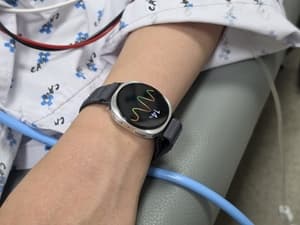
Samsung Electronics is making an audacious leap from counting steps to diagnosing disease. The South Korean tech giant is repositioning its Galaxy Watch ecosystem as a medical-grade data collection platform, forging partnerships with elite research institutions to validate wearable biosensors as legitimate tools for early disease detection. With the AI-enhanced Galaxy Watch9 set to debut on July 22, 2026, Samsung is racing to capture a slice of the AI healthcare market projected to explode from $56 billion this year to $1.03 trillion by 2034.
From Fitness Tracker to Medical Device
Samsung's most ambitious clinical collaboration pairs the company with UCSF's Neuroscape research center for a one-year study tracking 1,000 subjects. The goal: identify biomarkers for cognitive decline using only Galaxy Watch sensors—no lab visits required. Participants will have their heart rate, ECG, blood pressure, blood oxygen levels, and body composition continuously monitored through the watch's biosensors, with researchers hunting for patterns that signal early-stage dementia or Alzheimer's disease.
This isn't Samsung's only foray into clinical research. The company has partnered with Massachusetts General Hospital and Harvard Medical School since May 2026 to monitor side effects in patients taking GLP-1 obesity medications. In June, Samsung teamed with Aldedis, a subsidiary of the Huma Group, to integrate Galaxy Watch data into drug clinical trials. Perhaps most impressively, collaboration with Chung-Ang University Gwangmyeong Hospital has demonstrated the watch can predict vasovagal syncope—sudden fainting episodes—five minutes before they occur.
The Clinical-Grade Smartwatch Arms Race
Samsung's pivot from consumer wellness to medical diagnostics establishes a new competitive benchmark in wearable technology. The Galaxy Watch9's top-tier model will run on Qualcomm's Snapdragon Wear Elite processor, replacing Samsung's in-house Exynos W1000 chip, and will debut AI-powered features including a heart health score, daily aerobic load tracking, physical fitness index, and hearing measurement capabilities.
This strategy puts direct pressure on Apple, whose Watch has dominated the premium smartwatch market but has pursued a more cautious regulatory path for medical claims. Google's Fitbit acquisition and Garmin's sports-focused wearables now face a competitor willing to invest heavily in clinical validation studies that could unlock diagnostic claims and insurance reimbursement pathways.
The Regulatory Reality Check
While Samsung's research partnerships are impressive, significant hurdles remain before Galaxy Watches can make diagnostic claims. Clinical validation studies must demonstrate accuracy comparable to medical-grade devices, regulatory agencies like the FDA must approve specific diagnostic uses, and insurance companies must agree to reimburse wearable-based screening. The cognitive decline study's one-year timeline means results won't emerge until mid-2027 at the earliest.
For healthcare providers, the promise is compelling: continuous, real-time patient monitoring outside clinical settings could enable truly preventive care models. For patients, validated biomarkers accessible through a consumer device could democratize early disease detection. But Samsung's success will ultimately depend on whether it can navigate the complex intersection of consumer electronics, clinical research, and medical device regulation—a challenge that has humbled many tech giants before.
Sources
Companies in this article
 HumaHuma provides a regulated cloud platform that enables healthcare organizations, governments, and life sciences companies to rapidly build and deploy AI-driven health applications. The platform unifies clinical, operational, and research data into a federated network supporting remote patient monitoring, clinical workflows, and intelligent automation.View company profile →
 FitbitMountain View, CA, USAFitbit, now part of Google, develops activity trackers, smartwatches, and health monitoring wearables that help users track fitness, sleep, and overall wellness. The company offers devices ranging from screenless trackers to advanced smartwatches integrated with Google's AI-powered health coaching.View company profile →
Reporting & accountability
How we maintain accuracy
Health AI Central separates reported facts, analysis, and public-source data. Readers can review our standards, request a correction, or consult the relevant research methodology before relying on a claim.