

Robot Pharmacists Are Here: How AI-Powered Dispensing Could Solve Healthcare's Medication Error Crisis
Startup Queue emerges from stealth with autonomous pharmacy technology that eliminates human handling of medications while addressing critical workforce shortages.
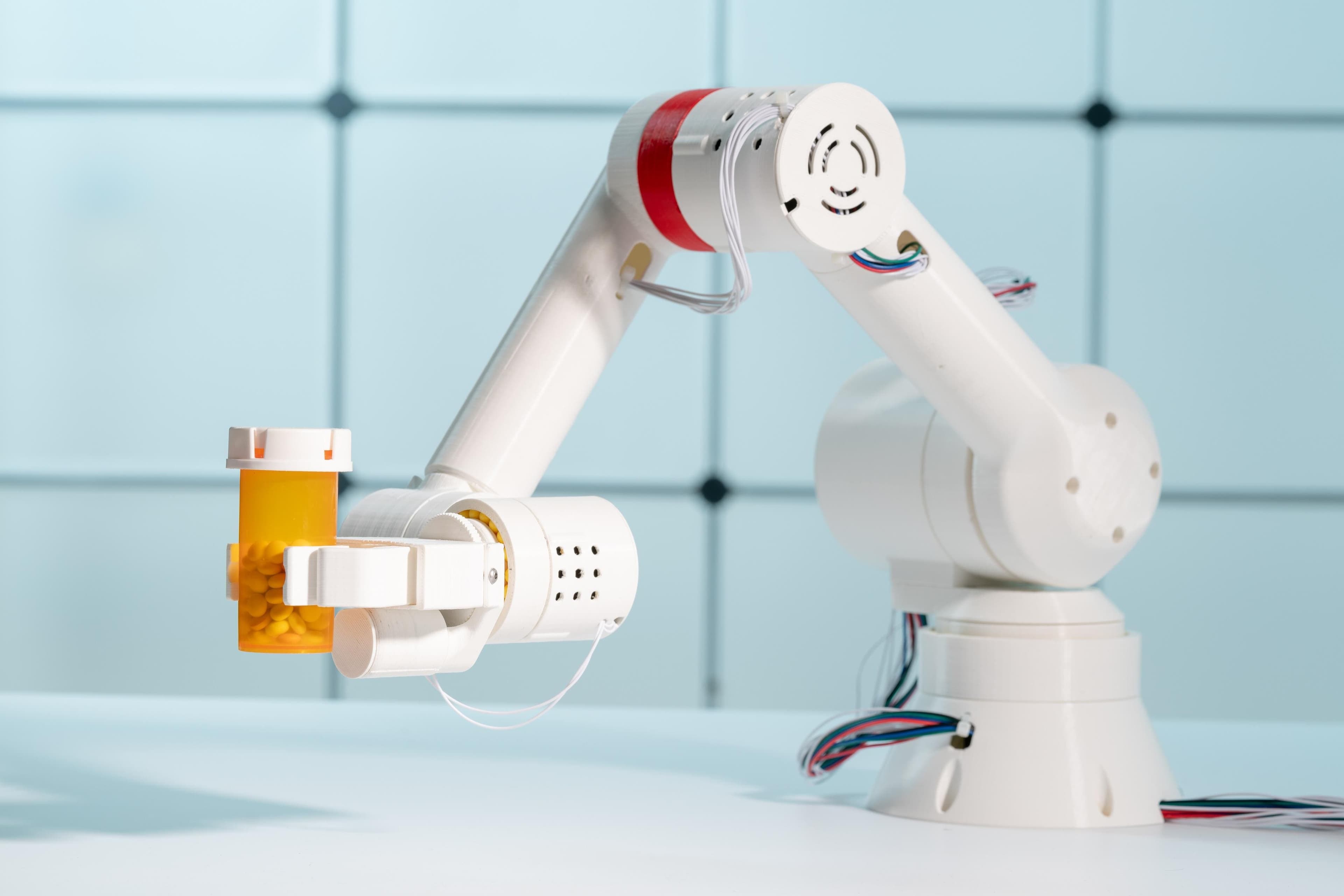
The pharmacy of the future may have no human hands touching your medication. Queue, a startup emerging from stealth mode this week, is pioneering autonomous robotic pharmacies that promise to transform how prescriptions are filled, verified, and dispensed—addressing both medication safety concerns and the growing pharmacy workforce crisis.
The company's system uses sealed medication containers and AI-powered robotic dispensing that keeps medications untouched by humans from manufacturer to patient pickup. It's a bold reimagining of pharmacy operations at a time when medication errors remain a persistent patient safety concern and pharmacies nationwide struggle with staffing shortages.
Automation Meets Patient Safety
Medication errors have long plagued healthcare systems, with dispensing mistakes contributing to thousands of adverse events annually. Queue's autonomous approach tackles this problem by removing opportunities for human error during the fulfillment process.
The robotic systems handle the entire prescription workflow autonomously—from retrieving medications and counting doses to verification and final dispensing. AI algorithms manage inventory optimization and expiration date tracking in real-time, ensuring medications are both available and safe when patients need them. Automated patient identity verification at pickup adds another layer of safety.
According to Forbes, this technology is designed for deployment in both retail pharmacy chains and hospital settings, where medication turnaround times directly impact patient care quality.
Redefining the Pharmacist's Role
Rather than replacing pharmacists, Queue's technology aims to transform their role from dispensers to clinical consultants. By automating time-consuming tasks like counting pills and managing inventory, the system frees pharmacists to focus on medication therapy management and direct patient counseling—activities that leverage their clinical expertise and provide greater value to patients.
This shift comes at a critical time. Pharmacy workforce shortages have intensified in recent years, with many pharmacists reporting burnout from high prescription volumes and inadequate staffing. Autonomous systems could alleviate these pressures while potentially enabling 24/7 prescription pickup availability.
Queue joins a growing trend of pharmacy automation initiatives from major players including Amazon Pharmacy and CVS, signaling that the industry recognizes technology as essential to addressing operational challenges.
The Road Ahead
For healthcare providers, autonomous pharmacies represent an opportunity to reduce medication dispensing errors while improving operational efficiency. Hospital systems may see faster medication turnaround times and reduced costs, while retail pharmacies could extend service hours without proportional staffing increases.
For patients, the benefits could include reduced wait times, fewer medication errors, and greater access to pharmacist consultations. However, questions remain about implementation costs, regulatory pathways, and patient acceptance of fully automated dispensing.
As Queue and similar companies advance autonomous pharmacy technology, the industry faces a fundamental question: Can robots and AI deliver on the promise of safer, more efficient medication dispensing while preserving the human expertise that makes pharmacists invaluable healthcare providers?
References
Reporting & accountability
How we maintain accuracy
Health AI Central separates reported facts, analysis, and public-source data. Readers can review our standards, request a correction, or consult the relevant research methodology before relying on a claim.