

Precision Psychiatry's Missing Puzzle Piece: Massive Genetic Study Cracks the Code on Borderline Personality Disorder
Landmark analysis of over 1 million participants reveals 11 genetic loci linked to BPD and unexpected connections to diabetes and lung disease, opening new pathways for AI-driven diagnosis and treatment.
Borderline personality disorder has long been psychiatry's genetic blind spot. While conditions like schizophrenia and bipolar disorder have benefited from extensive genetic mapping, BPD—affecting up to 1.9% of Western populations—has remained largely unexplored at the genomic level. That knowledge gap just narrowed dramatically with the largest genetic study of BPD ever conducted, analyzing data from over 1 million participants and identifying 11 distinct genetic loci associated with the disorder.
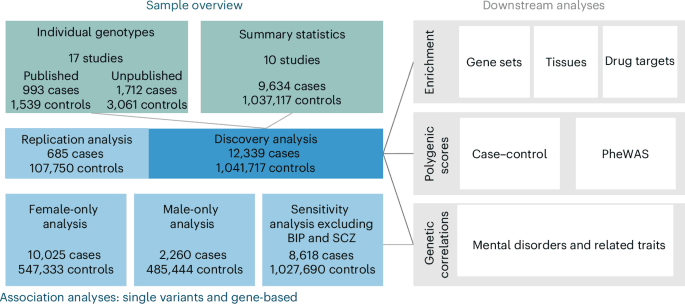
Published in Nature Genetics, this landmark genome-wide association study (GWAS) meta-analysis examined 12,339 BPD cases against 1,041,717 controls, with findings replicated in an independent cohort. The research reveals that genetic factors account for approximately 17.3% of BPD risk—significantly higher in females (20.5%) than males (10.2%)—and identifies nine specific risk genes including FOXP2 and SGCD that could become targets for future therapeutic development.
Genetic Overlap Reshapes Understanding of Comorbidity
Perhaps most striking are the study's findings about shared genetic architecture between BPD and other conditions. The research confirmed strong genetic correlations with post-traumatic stress disorder, depression, ADHD, and suicidal behavior—associations clinicians have long observed but couldn't explain mechanistically. These genetic connections suggest that comorbidity patterns in BPD patients reflect underlying biological pathways rather than coincidence.
The analysis also uncovered unexpected links to physical health conditions. Phenome-wide analyses across major biobanks revealed novel genetic associations between BPD and both obstructive pulmonary disease and diabetes. These findings challenge the traditional psychiatric-somatic divide and suggest that integrated care models addressing both mental and physical health may be biologically justified.
Implications for AI-Driven Precision Psychiatry
The identification of these genetic markers creates opportunities for artificial intelligence applications in mental health care. Polygenic risk scores derived from this research predicted 4.6% of BPD phenotypic variance—a foundation for developing AI-driven diagnostic tools that could identify at-risk individuals before symptoms fully manifest.
For health tech companies building precision psychiatry platforms, these findings support multi-disorder risk assessment approaches. AI models designed to predict BPD risk should simultaneously evaluate genetic liability for depression, PTSD, ADHD, and metabolic conditions. This cross-disorder perspective could improve treatment selection and resource allocation in mental health systems where BPD remains notably underserved by FDA-approved medications.
Moving Toward Personalized Treatment
The study's replication of all six genome-wide significant variants across independent cohorts provides confidence that these genetic signals are robust and clinically meaningful. With genes like FOXP2—known for roles in neurodevelopment and language—now implicated in BPD, researchers have concrete molecular targets for investigating the disorder's biological mechanisms.
As precision medicine transforms fields from oncology to cardiology, psychiatry has lagged behind. This research represents a critical step toward closing that gap for BPD, potentially enabling the kind of genetically informed treatment strategies that have revolutionized other medical specialties. For the millions affected by this challenging condition, the path from genetic discovery to clinical application has begun.
Sources
Reporting & accountability
How we maintain accuracy
Health AI Central separates reported facts, analysis, and public-source data. Readers can review our standards, request a correction, or consult the relevant research methodology before relying on a claim.