

OpenAI's Self-Starting AI Agent Promises to Act Before You Ask—But Healthcare Faces Critical Compliance Questions
The GPT-6 Astra-powered Dots assistant autonomously manages tasks across 4,000+ applications, raising both efficiency hopes and compliance questions for health systems.
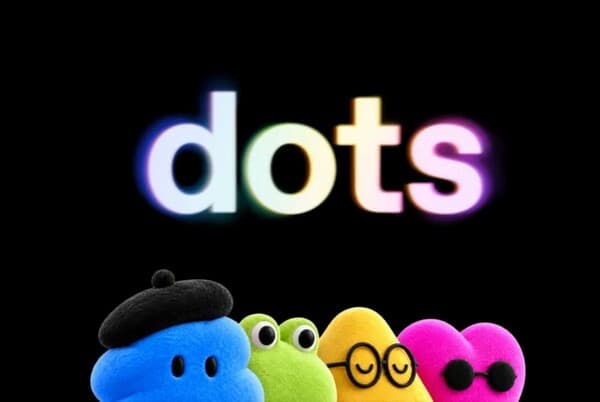
OpenAI has launched Dots, an always-on AI agent that learns user preferences and autonomously executes tasks across thousands of connected applications without waiting for explicit instructions. Unveiled at the company's annual DevDay developer event on September 29, the GPT-6 Astra-powered assistant enters a market where Meta launched its Muse AI assistant weeks earlier, positioning itself as a proactive digital workforce capable of handling complex, multi-step workflows.
Unlike traditional chatbots that respond to prompts, Dots operates continuously in the background, monitoring connected systems and taking action based on learned patterns and user-defined rules. The assistant integrates with more than 4,000 applications via cloud computer and web browser connections, making it available across ChatGPT's web, desktop, and mobile platforms, as well as Slack and Microsoft Teams, with direct SMS access planned for future releases.
Autonomous Operation With Built-In Guardrails
Dots employs what OpenAI describes as "active investigation" mode, operating in read-only capacity within connected applications during autonomous operation. According to the announcement, the agent cannot send messages, change content, or directly control user devices without permission during this phase. The system includes basic autonomous action rules, custom user rules that establish allow/block/approval workflows, and an automatic review system for sensitive tasks. Password changes require mandatory user handling regardless of automation settings.
For healthcare organizations, OpenAI offers access through Enterprise, Education, and Healthcare tiers, with administrators controlling beta version availability. The first Dots instance is included at no additional cost for Pro and Business Premium plans, and conversations do not count toward ChatGPT usage limits. The company is piloting "Expert Dots" for enterprise clients—specialized agents with separate identities, credentials, and system access rights designed for specific business functions.
Potential Healthcare Applications and Compliance Questions
The automation potential for healthcare administration could be substantial. Based on Dots' reported capabilities, the agent could theoretically handle tasks such as prior authorization tracking, insurance claim follow-up, appointment scheduling coordination, and patient communication workflows. The agent's ability to update documents with new data, refresh analysis results and charts, and identify patterns in feedback suggests potential applications in clinical research, quality improvement initiatives, and systematic literature reviews.
However, OpenAI's announcement does not address healthcare-specific compliance requirements or data handling practices for protected health information. Healthcare organizations evaluating Dots will need to assess whether the platform's security features, audit capabilities, and data handling practices meet regulatory requirements for clinical deployment.
Competitive Context
The launch comes weeks after Meta introduced Muse, its own AI assistant capable of performing web searches, shopping, document writing, and goal tracking. Safety concerns have been raised around Muse, with at least one user claiming their address was sent without consent to a counterparty in a Facebook Marketplace transaction.
OpenAI's roadmap includes support for multiple simultaneous Dots, increased speed and throughput options, and a ChatGPT Space collaboration environment. For healthcare AI builders and health system decision-makers, thorough evaluation of the platform's compliance capabilities, security features, and clinical workflow integration will be essential considerations before deployment.
Sources
Reporting & accountability
How we maintain accuracy
Health AI Central separates reported facts, analysis, and public-source data. Readers can review our standards, request a correction, or consult the relevant research methodology before relying on a claim.