

Medical Imaging Giant Aidoc Pursues Historic FDA Clearance for AI That Writes Radiology Reports
The company's First Read system detects over 100 diseases from chest X-rays and automatically generates diagnostic reports, marking a regulatory milestone for generative AI in healthcare.
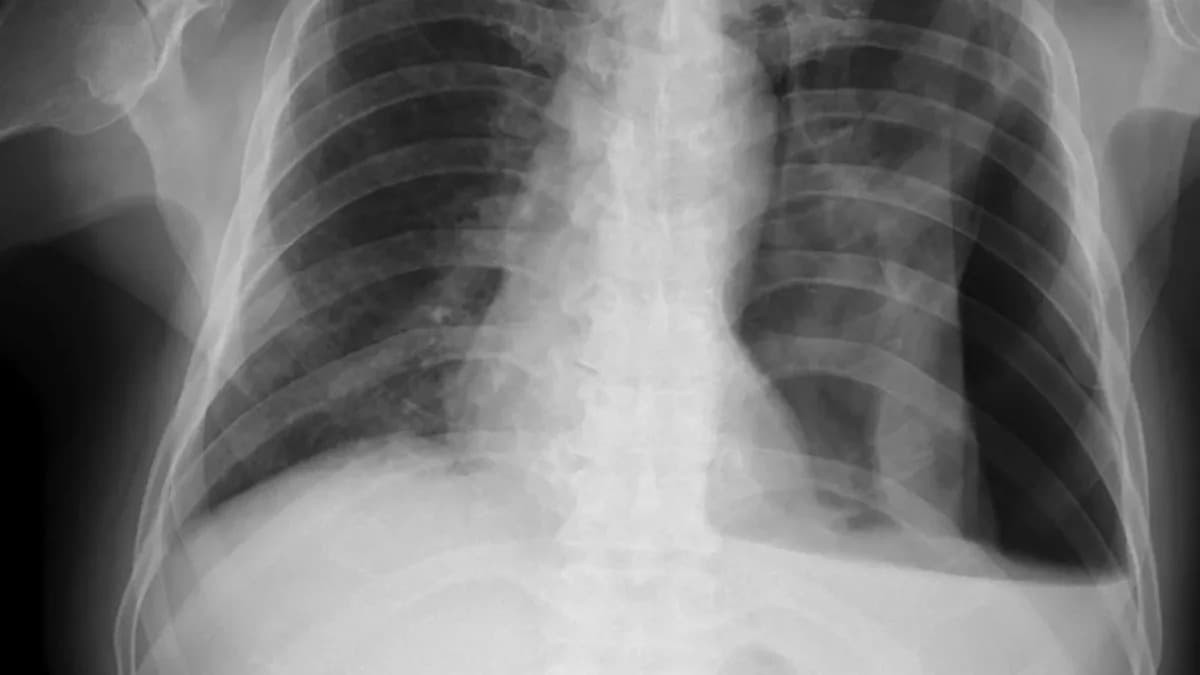
Medical Imaging Giant Aidoc Pursues Historic FDA Clearance for AI That Writes Radiology Reports
Aidoc is pushing the boundaries of medical AI regulation with an ambitious bid to secure FDA clearance for First Read, a generative AI system that not only identifies diseases in chest X-rays but also writes complete radiology reports. The company received FDA breakthrough device designation in June, positioning itself at the forefront of automated medical diagnostics that extends far beyond simple detection alerts.
Unlike traditional AI diagnostic tools that flag potential abnormalities for human review, First Read represents what Aidoc CEO Elad Walach describes as the first end-to-end AI diagnostic system. The tool employs a chain of AI models that first detect pathologies across more than 100 different diseases, then generates comprehensive radiology reports similar to those written by human radiologists. This approach transforms AI from an assistive technology into a primary interpreter, with radiologists maintaining oversight and editing capabilities.
Regulatory Pathway and Timeline
The breakthrough device designation grants Aidoc priority review status at the FDA, though the company must still meet rigorous safety and efficacy standards required of all medical devices. Aidoc is targeting FDA clearance within 18 months, a timeline that reflects both the regulatory complexity and the company's confidence in its validation data.
The designation arrives as the FDA continues developing its framework for evaluating generative AI medical devices, making Aidoc's application a potential precedent-setter for the industry. The company has raised over $300 million in the past year to support intensive model training and validation across diverse patient populations and imaging conditions.
Technical and Clinical Implications
First Read's architecture represents a significant departure from narrow AI tools designed to detect single conditions. By addressing over 100 diseases simultaneously, the system aims to replicate the comprehensive analytical approach of experienced radiologists. Following initial clearance, Aidoc plans to expand coverage to "practically every disease on CT and X-ray" within the next year and a half.
The clinical workflow positions First Read as a first interpretation that radiologists can review, edit, and finalize. This design acknowledges both the potential efficiency gains from AI automation and the critical importance of human oversight in medical decision-making. However, the approach also raises questions about automation bias, where clinicians may defer too readily to AI-generated conclusions rather than maintaining active critical engagement.
Market and Competitive Impact
Aidoc's breakthrough designation signals the FDA's willingness to advance comprehensive generative AI diagnostics through regulatory pathways despite ongoing policy development. The company's substantial capital raise and multi-year development timeline underscore the technical and financial barriers facing competitors attempting to build similar multi-disease diagnostic systems.
For healthcare providers, successful deployment could fundamentally reshape radiology workflows, potentially reducing time-to-diagnosis and addressing radiologist workforce shortages. For patients, the promise lies in faster, more consistent diagnostic accuracy across multiple conditions from single imaging studies—though realizing these benefits depends on maintaining appropriate human oversight safeguards.
As Aidoc navigates the FDA review process, the medical AI industry will be watching closely. The outcome will likely influence regulatory expectations and competitive strategies for generative AI diagnostics for years to come.
Sources
Companies in this article

Reporting & accountability
How we maintain accuracy
Health AI Central separates reported facts, analysis, and public-source data. Readers can review our standards, request a correction, or consult the relevant research methodology before relying on a claim.