

Ketamine's Anti-Suicide Effect Linked to Stress Hormone Reset in Landmark Trial
New research reveals that ketamine's rapid relief of suicidal thoughts coincides with a measurable spike in morning cortisol, opening doors for biomarker-driven mental health monitoring.
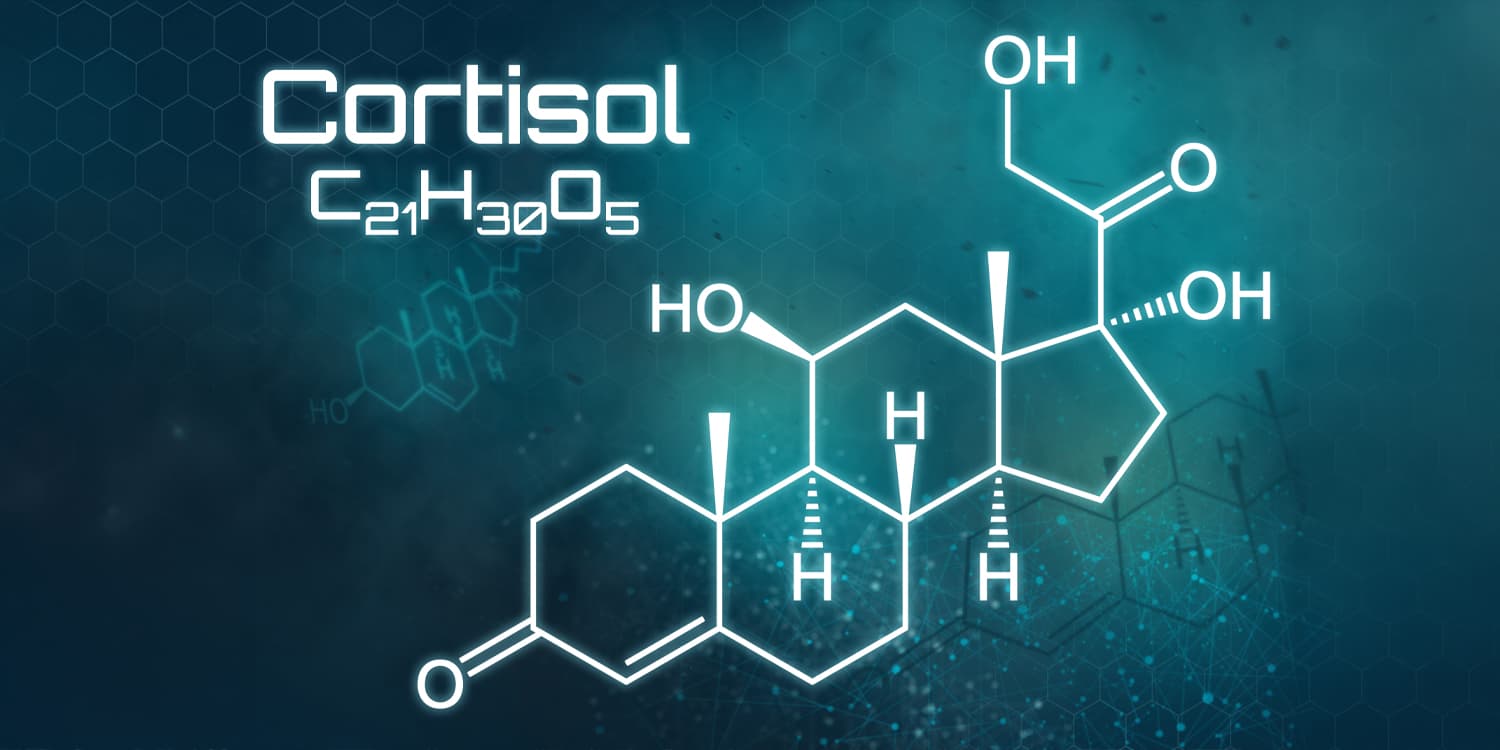
Ketamine has emerged as one of psychiatry's most promising rapid-acting treatments for severe depression and suicidal ideation, but the biological mechanisms behind its life-saving effects have remained largely mysterious. Now, a randomized controlled trial from Columbia University Medical Center has identified a potential hormonal signature: a significant increase in morning cortisol levels that appears 24 hours after treatment, precisely when ketamine's anti-suicidal effects peak.
The study, published in the Journal of Affective Disorders, tracked 63 adults with major depressive disorder and active suicidal thoughts who received either a single intravenous ketamine infusion (0.5 mg/kg) or midazolam as a control. Researchers measured cortisol through saliva samples and found that ketamine recipients showed normalized waking cortisol levels that nearly doubled from 0.42 before treatment to 0.80 at the 24-hour mark, while the control group experienced a slight decline.
A Biomarker, Not a Mechanism
While the cortisol elevation coincided with ketamine's therapeutic window, the relationship between hormone levels and symptom improvement proved surprisingly weak. Lead researcher Michael Grunebaum and colleagues found only a small, statistically nonsignificant correlation between cortisol increases and reductions in suicidal ideation, and no correlation with overall depression severity scores.
This disconnect suggests that morning cortisol may function as a biomarker—a measurable indicator of ketamine's biological activity—rather than the direct cause of symptom relief. The findings challenge traditional models that link elevated cortisol exclusively with psychiatric pathology, instead suggesting that moderate cortisol restoration may support stress system resilience in severely depressed patients.
The study also examined the cortisol awakening response, a natural morning spike in the hormone that's often blunted in depression. While neither treatment group showed significant changes in this pattern, pooled data revealed a 12% decrease loosely associated with mood improvement, hinting at complex interactions between different cortisol dynamics and therapeutic response.
Precision Psychiatry Implications
The identification of a measurable hormonal signature creates opportunities for clinical innovation. Non-invasive cortisol monitoring through saliva testing or emerging wearable biosensors could enable real-time tracking of ketamine treatment response, allowing clinicians to optimize dosing protocols for individual patients.
For AI-driven mental health platforms, cortisol dynamics represent a quantifiable feature that could be integrated into predictive algorithms alongside other biomarkers, potentially identifying which patients will respond best to ketamine therapy before treatment begins.
The research team controlled for multiple confounding factors including sampling time, tobacco and caffeine use, and stable psychiatric medications, strengthening confidence in their findings. However, the moderate effect size and weak symptom correlations indicate that ketamine's anti-suicidal mechanisms likely involve multiple biological pathways beyond stress hormone modulation alone.
As ketamine transitions from experimental treatment to mainstream psychiatric tool, understanding its biological footprint becomes critical for both safety monitoring and treatment optimization. This study represents an important step toward demystifying ketamine's rapid effects while highlighting the complexity of treating suicidal ideation—a condition that claims over 700,000 lives globally each year according to WHO estimates.
For patients and providers, the cortisol connection offers both a potential monitoring tool and evidence that ketamine's effects extend to fundamental stress response systems, possibly supporting long-term resilience beyond immediate symptom relief.
Sources
Reporting & accountability
How we maintain accuracy
Health AI Central separates reported facts, analysis, and public-source data. Readers can review our standards, request a correction, or consult the relevant research methodology before relying on a claim.