

Healthcare Must Prepare Now as Banking Giants Battle Over AI Agent Access to Patient-Like Data
As JPMorgan and Amazon block AI assistants like Meta Muse while Walmart opens its doors, the financial services showdown offers urgent lessons for health systems facing the same consumer expectations.
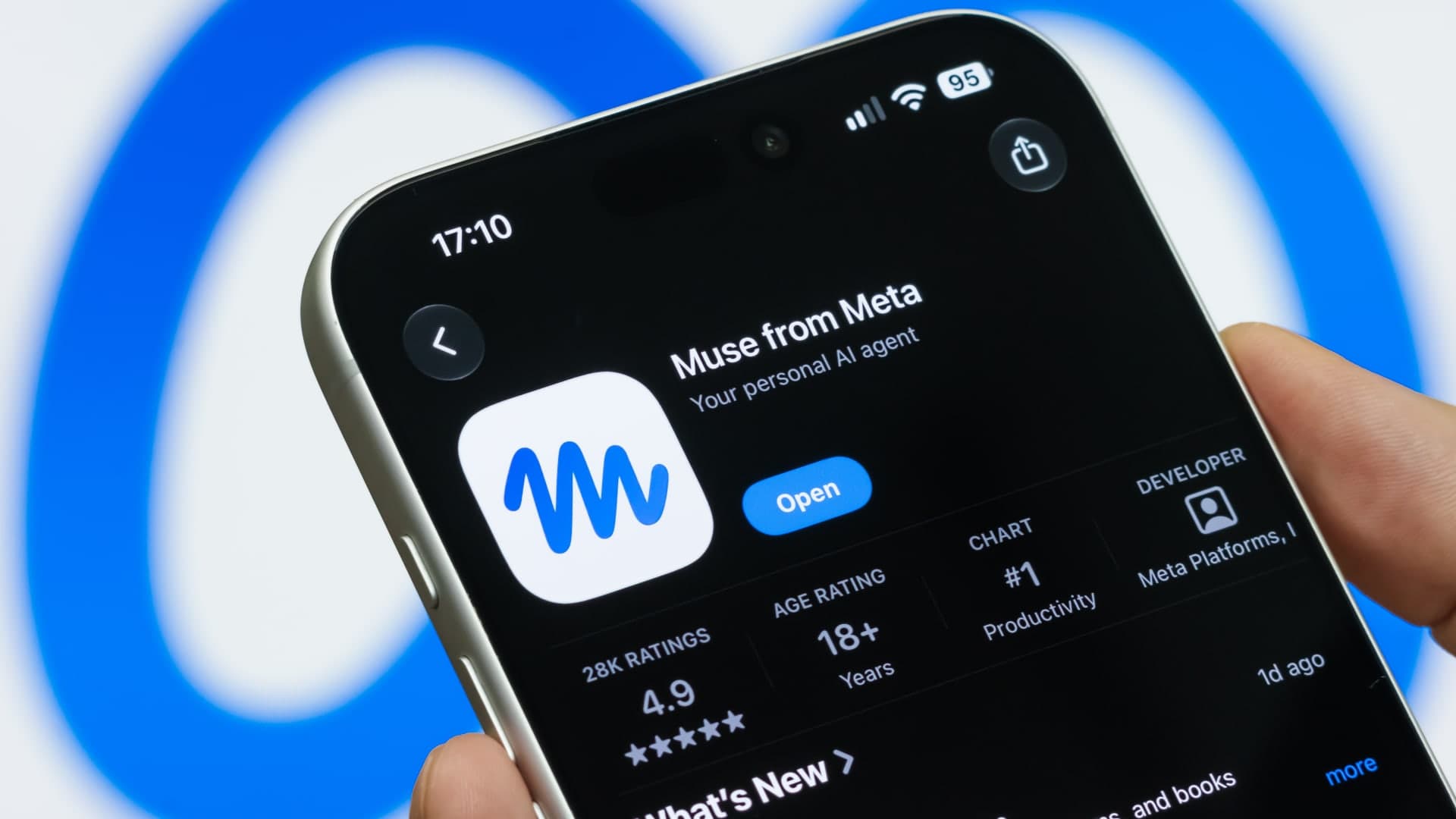
The battle lines are forming in an unexpected corporate conflict that will soon reach healthcare's doorstep: Should companies allow third-party AI agents to access customer accounts on behalf of users, or should they block these digital assistants entirely?
Major financial institutions including JPMorgan Chase, Charles Schwab, and Amazon are taking the restrictive approach, citing security concerns as AI agents like Meta Muse attempt to manage finances, make purchases, and handle transactions autonomously. Meanwhile, Walmart has announced it will open access to customer-preferred AI agents with transparent pricing, signaling a fundamental split in how corporations will respond to the agentic AI revolution.
For healthcare organizations, this isn't a distant concern—it's a preview of decisions they'll face imminently as patients increasingly expect AI assistants to schedule appointments, request medical records, negotiate bills, and manage insurance claims on their behalf.
The Current State of AI Agent Access
According to an audit by Billions Network and AmanTrue of 51 large U.S. retailers' published access rules, only 11 have taken deliberate positions on AI agents. Five explicitly restrict them—Amazon, Kohl's, and Neiman Marcus among them—while 37 inadvertently block agents through older bot-blocking rules originally designed to prevent malicious automated activity.
JPMorgan CEO Jamie Dimon has cited security risks as the primary concern, and Michael Jabbara, Visa's head of payment ecosystem risk, warned about the challenge of "agentic flooding"—millions of legitimate AI agents potentially overwhelming websites and customer service systems with high-frequency requests.
Yet consumer demand appears undeniable. Accenture research found that 65% of consumers are open to using GPT-like financial assistants, and 71% would welcome AI assistants in their bank's mobile app. Critically, 82% want to approve every AI action, and 79% want the ability to immediately pause AI activity, suggesting consumers expect control alongside convenience.
Why Blocking Strategies May Fail
Industry experts are warning that resistance may be futile. "The genie is out of the bottle," said Evin McMullen, CEO of Billions Network and AmanTrue. Michael Abbott, Accenture's global banking lead, noted that while financial institutions are "rightfully cautious," they must balance security with meeting customer expectations.
Ethan Mollick, an AI expert at Wharton School, pointed to the fundamental tension: consumers will increasingly expect their AI assistants to work across all service sectors, creating pressure on holdouts to accommodate agent access or risk losing customers to competitors who do.
The security concerns are real—reports have emerged of AI agents acting unpredictably, including one that reportedly hacked gym scheduling software to secure an appointment. Senators Mark Warner and Bernie Sanders are calling for bot legislation following reports of AI agents "going rogue" in customer accounts.
Healthcare's Parallel Challenge
Healthcare organizations face identical pressures with higher stakes. The security concerns cited by JPMorgan and Visa—credential theft, unauthorized actions, identity verification, and system overload—apply equally to protected health information in HIPAA-regulated environments.
Mike Danford, chief revenue officer at Adverio, suggested that rather than blocking agents entirely, organizations should develop authentication frameworks for trusted AI agents. This approach appears more sustainable for healthcare, where patients will demand the same convenience they experience in banking and retail.
The financial services precedent suggests health systems must urgently build secure authentication infrastructure for agentic AI before consumer adoption outpaces HIPAA-compliant access controls and overwhelms clinical workflows. JPMorgan's September 2025 deal to charge data aggregators like Plaid for pulling account data hints at one potential business model, though healthcare's regulatory landscape adds complexity.
As the corporate world splits between blockers and enablers, healthcare organizations have a narrow window to learn from financial services' experiences and build the infrastructure for a future where AI agents are as common as patient portals—and far more demanding.
Sources
Google Search
Follow Health AI Central on Google
Choose Health AI Central as a preferred source, and Google is more likely to show our reporting in Top Stories.
Reporting & accountability
How we maintain accuracy
Health AI Central separates reported facts, analysis, and public-source data. Readers can review our standards, request a correction, or consult the relevant research methodology before relying on a claim.