Georgia Hospital Tackles Paramedic PTSD with Peer Counselors and a Four-Legged Therapist
By pairing peer counselors with therapy dogs, one Georgia health system is breaking the stigma around mental health in emergency medical services.
First responders witness humanity at its most vulnerable—traumatic injuries, sudden deaths, and life-or-death emergencies that most people will never experience. Yet the emotional toll of these repeated exposures has long been an unspoken burden in emergency medical services. Now, Atrium Navicent Health in Macon, Georgia is addressing this crisis with a comprehensive peer counseling program that acknowledges a fundamental truth: paramedics need mental health support too.
Breaking the Silence on First Responder Mental Health
The healthcare system has implemented an in-house peer counseling initiative specifically designed for paramedics, EMTs, and other first responders who face occupational trauma as part of their daily routine. Unlike traditional employee assistance programs that may feel distant or impersonal, this workplace-based model provides immediate, confidential support from colleagues who understand the unique pressures of emergency medical services.
The program features trained peer counselors—fellow first responders who have received specialized training to help their colleagues process traumatic calls, manage chronic stress, and recognize early warning signs of burnout or post-traumatic stress disorder (PTSD). By embedding mental health support directly within the workplace culture, Atrium Navicent aims to normalize conversations about psychological wellbeing in an industry where stoicism has traditionally been valued over vulnerability.
Four Paws and Emotional Support
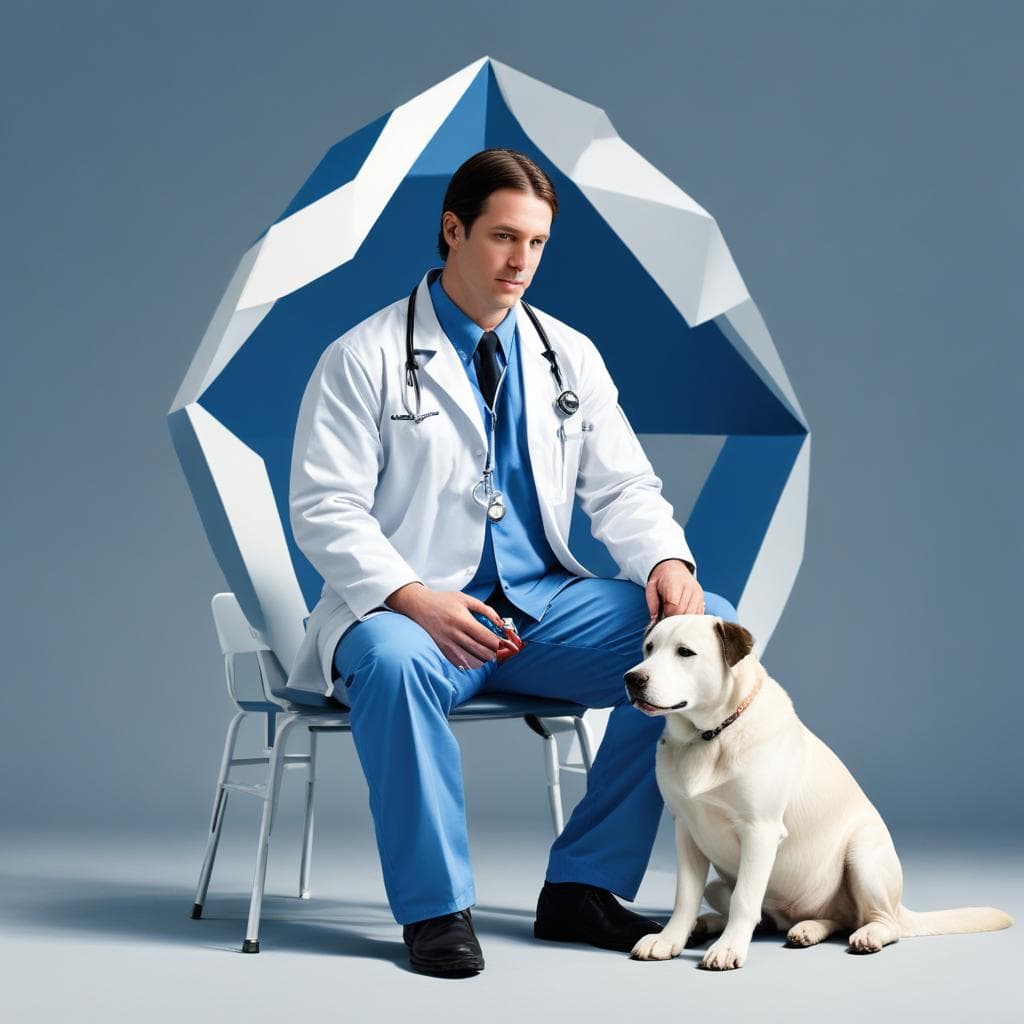
Adding a unique dimension to the program is Oakley, a therapy dog who provides animal-assisted emotional support to stressed paramedics. Research has consistently shown that interaction with therapy animals can reduce cortisol levels, lower blood pressure, and provide comfort during difficult emotional processing—making Oakley more than just a morale booster.
The multi-modal approach combining peer counseling with animal-assisted therapy demonstrates how healthcare organizations are thinking creatively about mental health interventions. This model recognizes that different individuals may respond to different types of support, and that sometimes the non-judgmental presence of a therapy dog can help first responders open up about experiences they might otherwise keep internalized.
Implications for Healthcare Workforce Mental Health
This initiative arrives at a critical time for the healthcare industry, which continues to grapple with workforce burnout, retention challenges, and the long-term psychological impacts of high-stress medical environments. The in-house peer support model offers a scalable template that other healthcare systems could adapt for their emergency departments, intensive care units, and other high-acuity settings.
The program also highlights opportunities for technology integration in occupational mental health. AI-powered screening tools could complement peer counseling by identifying patterns that suggest a first responder may be at risk for PTSD or burnout before reaching a crisis point. Digital platforms could facilitate confidential peer connections, track wellness metrics, and provide personalized resources—extending the reach of human counselors without replacing the essential human connection at the program's core.
By acknowledging that first responders have emotional limits and psychological needs, Atrium Navicent Health is pioneering an approach that prioritizes the mental health of those who care for others—a model that could reshape how healthcare organizations support their frontline workers.
References
Reporting & accountability
How we maintain accuracy
Health AI Central separates reported facts, analysis, and public-source data. Readers can review our standards, request a correction, or consult the relevant research methodology before relying on a claim.