

Federal Agencies Race to Untangle State-Level AI Healthcare Experiments Before Regulatory Collision
As states launch clinical AI testing programs, overlapping federal and state authority threatens to create a compliance nightmare for autonomous medical technology.
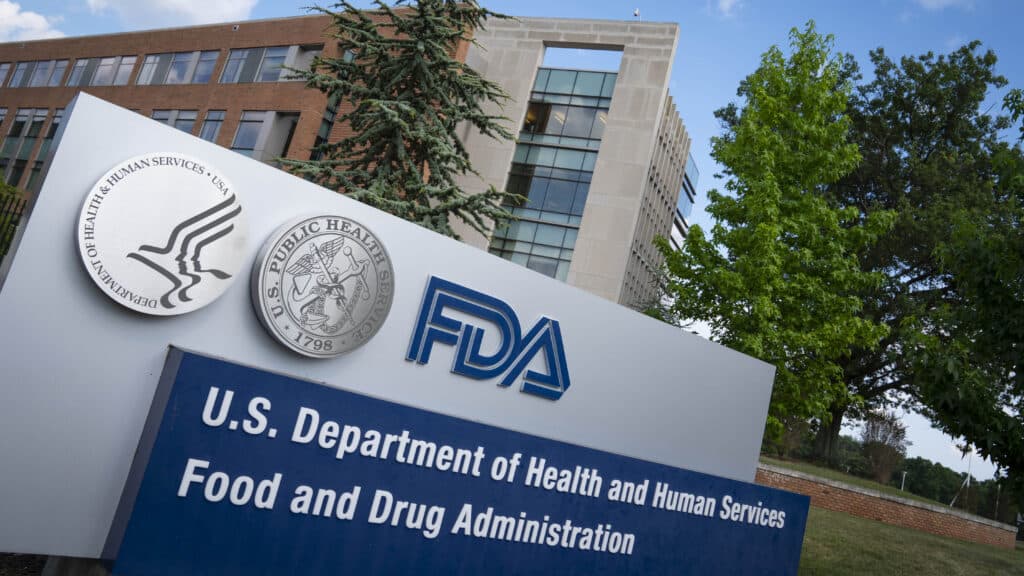
A jurisdictional clash is brewing between federal regulators and state governments over who controls the future of artificial intelligence in clinical care. The FDA and CMS are working urgently to prevent a regulatory pileup as multiple states explore "sandbox" programs to test AI systems capable of performing clinical tasks like writing prescriptions—work that traditionally requires a licensed physician.
The tension stems from a fundamental divide in American healthcare regulation: states control the practice of medicine and issue licenses to clinicians, while the FDA regulates medical devices, a category that increasingly includes AI performing clinical work. When AI operates autonomously—making decisions without human supervision—it likely falls under FDA jurisdiction as a medical device, according to STAT News. But states argue their authority over medical practice gives them a role in overseeing how these tools are deployed in clinical settings.
Trump Administration Opens Payment Doors While Regulatory Questions Linger
The Trump administration has taken steps to reduce regulatory burden on health AI and created new payment mechanisms through CMS, making it financially viable for healthcare providers to adopt AI-assisted technologies. These policy shifts have accelerated industry interest in autonomous clinical AI, but the federal-state jurisdictional overlap has created uncertainty that threatens to slow market entry for innovative products.
Health officials are now working "behind the scenes" to address the conflict before it becomes a full-blown regulatory logjam, according to the report. The challenge is particularly acute for AI developers who must navigate both federal device approval pathways and state-level medical practice regulations—a compliance maze that could vary significantly across state lines.
State Sandboxes Collide With Federal Authority
Multiple states are exploring sandbox approaches that would allow controlled testing of clinical AI within their borders, but these initiatives risk creating a patchwork of inconsistent standards. For AI products designed to operate with minimal human oversight, the question of which regulatory framework takes precedence has major implications for both market access and patient safety.
The regulatory ambiguity affects stakeholders across the healthcare ecosystem. Providers face uncertainty about which tools they can legally adopt and under what conditions. Health tech companies confront the prospect of navigating 50 different state regulatory schemes on top of federal requirements. Patients may experience inconsistent access to AI-assisted care depending on where they live, while the lack of clear standards raises questions about safety oversight.
Resolving the federal-state divide will require coordination between the FDA, CMS, and state medical boards to establish clear boundaries of authority. The outcome of these behind-the-scenes negotiations will shape how quickly autonomous clinical AI can move from pilot programs to widespread adoption—and whether the United States can maintain a coherent national framework for regulating medical AI as the technology rapidly evolves.
Sources
Google Search
Follow Health AI Central on Google
Choose Health AI Central as a preferred source, and Google is more likely to show our reporting in Top Stories.
Reporting & accountability
How we maintain accuracy
Health AI Central separates reported facts, analysis, and public-source data. Readers can review our standards, request a correction, or consult the relevant research methodology before relying on a claim.