

Eli Lilly Bets $1.1 Billion on AI-Designed Nanoparticles to Crack Drug Delivery's Toughest Challenges
The pharma giant's partnership with Hong Kong's Metis TechBio marks a major validation for machine learning platforms that generate novel lipid formulations from scratch.
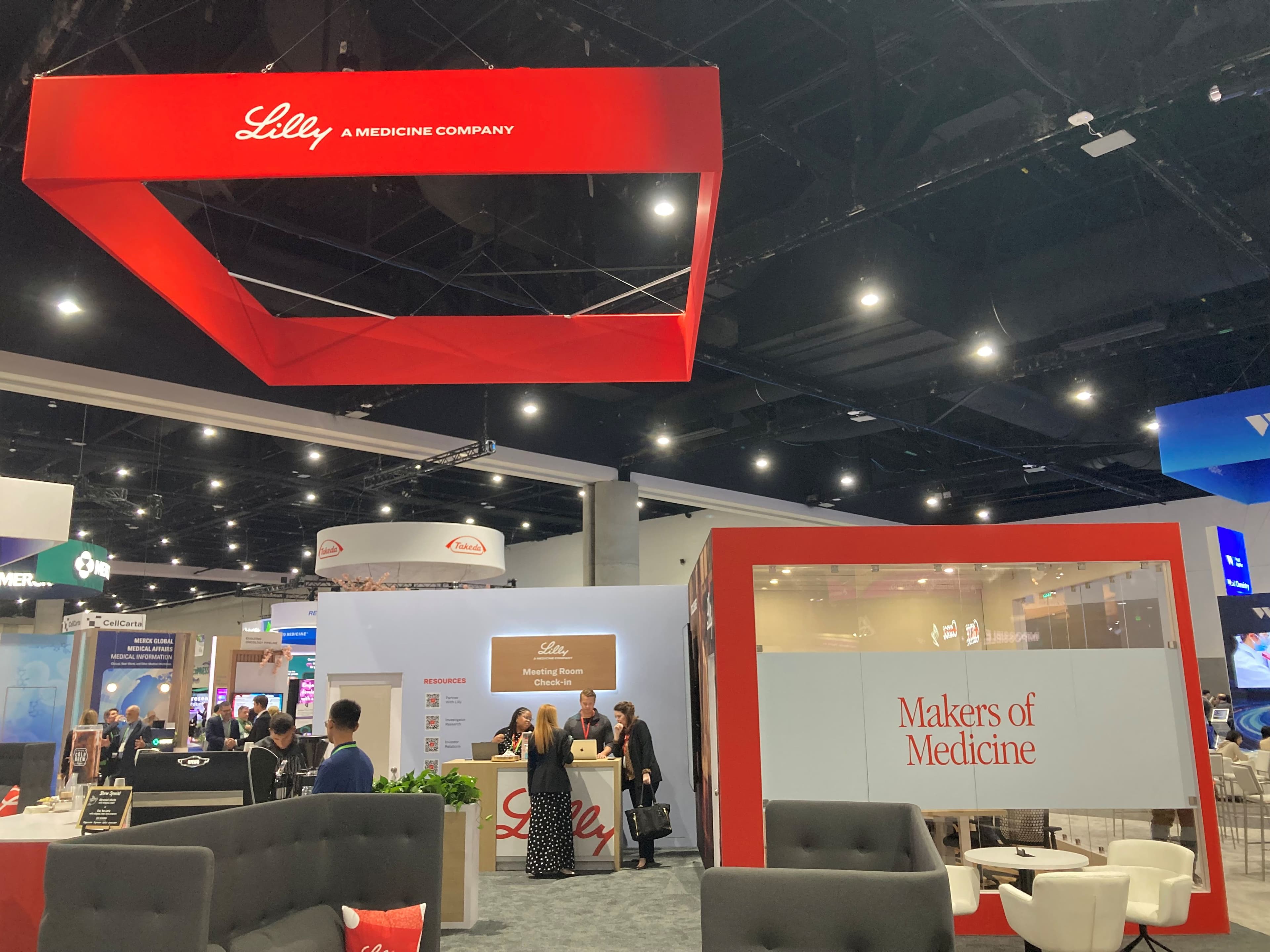
Eli Lilly has committed up to $1.1 billion to access an artificial intelligence platform that designs drug delivery nanoparticles, signaling growing pharmaceutical confidence in computational approaches to one of medicine's most persistent challenges: getting therapeutics to the right tissues at the right time.
The partnership with Hong Kong-based Metis TechBio centers on the company's AiLNP platform, which Metis describes as the world's first de novo lipid generation algorithm. The deal includes an upfront payment in the low double-digit millions of dollars, with the remainder structured as milestone payments and royalties, according to FierceBiotech.
AI Meets Materials Science in Drug Formulation
Metis TechBio's platform combines a large lipid library with end-to-end screening capabilities and what the company calls a "lipid language model"—an approach that applies generative AI principles to pharmaceutical materials design. The technology aims to optimize lipid nanoparticles (LNPs), the delivery vehicles that have proven critical for mRNA vaccines and are increasingly important for genetic medicines and RNA therapeutics.
Founded as an MIT spinout in 2017, Metis secured $86 million in Series A funding by 2021 under CEO Chris Lai. The platform's machine learning algorithms are designed to predict which lipid formulations will successfully deliver small-molecule and RNA therapeutics to specific tissues, potentially accelerating development timelines from computational design to laboratory validation.
Lilly's Strategic Push Into Precision Delivery
The Metis partnership represents the latest in a series of 2025 collaborations through which Lilly has systematically addressed drug delivery challenges across multiple therapeutic areas. Earlier this year, the pharmaceutical giant partnered with QurCan Therapeutics on blood-brain barrier delivery, Entos Pharmaceuticals on proteolipid vehicles for neurological applications, and the University of Texas at Austin on LNP structural stability research.
These partnerships complement Lilly's recent acquisitions of Verve Therapeutics and Engage Biologics, both focused on genetic material delivery technologies. The company has simultaneously expanded its AI capabilities through collaborations with Nvidia for supercomputing infrastructure and Insilico Medicine for AI-driven drug discovery.
Implications for Genetic Medicine Development
The convergence of AI-powered design and precision drug delivery addresses a critical bottleneck in genetic medicine development. While therapeutic molecules have become increasingly sophisticated, delivering them efficiently to target tissues—particularly across biological barriers like the blood-brain barrier—remains a fundamental challenge affecting both efficacy and safety profiles.
For the broader healthcare AI sector, Metis' lipid language model approach demonstrates how generative AI techniques originally developed for text and images can be adapted to materials science and pharmaceutical formulation. The $1.1 billion valuation suggests growing pharmaceutical industry confidence that computational platforms can meaningfully accelerate the traditionally empirical process of formulation optimization.
Clinical validation of AiLNP-designed formulations will ultimately determine whether the platform delivers on its promise of more effective tissue-targeted therapies for patients with conditions requiring precise drug delivery.
Sources
Companies in this article

Reporting & accountability
How we maintain accuracy
Health AI Central separates reported facts, analysis, and public-source data. Readers can review our standards, request a correction, or consult the relevant research methodology before relying on a claim.