

Can a Smart Ring Predict Who Will Succeed on Ozempic? Major Clinical Trial Aims to Find Out
Oura and UC San Diego Health launch multi-year study tracking continuous biometric data from patients on GLP-1 medications and bariatric surgery to predict treatment outcomes.
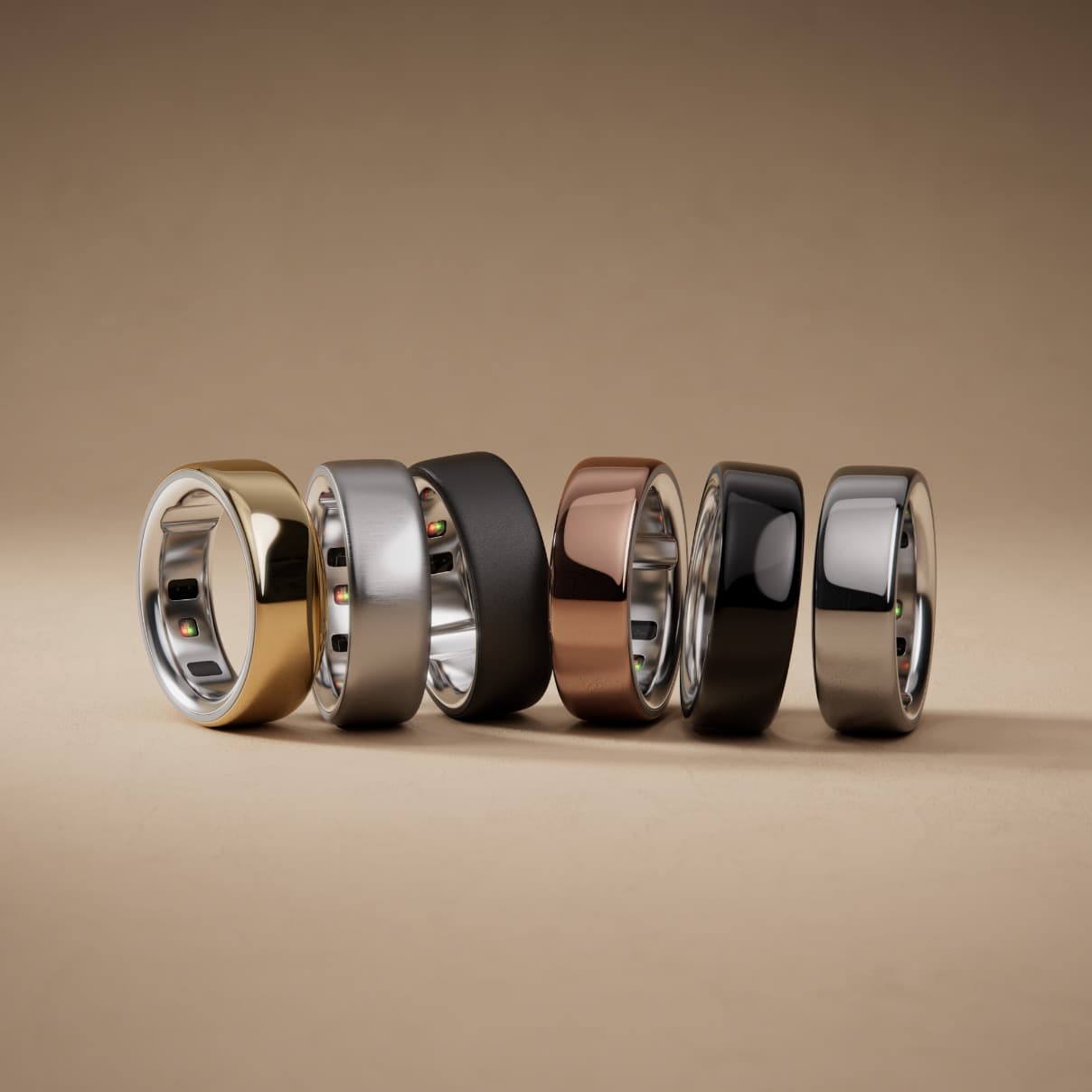
Consumer wearables are making their most ambitious leap yet into clinical medicine. Oura, the Finnish health technology company behind the popular smart ring, has partnered with UC San Diego Health to launch SMART-BMI, a multi-year clinical trial investigating whether continuous biometric monitoring can predict which obesity patients will respond best to GLP-1 medications like Ozempic and Wegovy—or to bariatric surgery.
The study represents Oura's first formal clinical trial and signals a broader industry shift: wearable devices transitioning from wellness gadgets to potential clinical decision-support tools for chronic disease management.
Tracking 50+ Metrics Between Doctor Visits
The SMART-BMI trial (registered as NCT07736729 on ClinicalTrials.gov) will monitor patients continuously using the Oura Ring, which tracks more than 50 health metrics including sleep patterns, heart rate, physical activity, and recovery signals. Researchers will correlate this stream of physiological data with primary clinical outcomes: weight loss, HbA1c levels (a measure of blood sugar control), and treatment persistence.
The collaboration addresses a critical gap in obesity care. "We're looking at what happens between clinical encounters," explained Dr. Alexander Khalessi, Chief Innovation Officer at UC San Diego Health, according to Fierce Healthcare. Traditional care relies on periodic office visits, but continuous monitoring could reveal early warning signs when treatments aren't working—or when patients are experiencing adverse effects that might lead them to discontinue therapy.
Dr. Ricky Bloomfield, Oura's Chief Medical Officer, emphasized the potential for personalization: continuous data could help clinicians understand real-time patient response patterns and adjust treatment strategies accordingly.
Building Clinical Evidence Through a New Regulatory Office
The trial is part of Oura's systematic push to generate clinical evidence for its technology. Over the past year, the company has built its Office of Regulatory and Clinical Affairs (ORCA) under Dr. Bloomfield's leadership, formalizing its approach to research and regulatory pathways.
Oura is simultaneously conducting several other clinical studies. A collaboration with Maven Clinic plans to enroll over 5,000 participants studying fertility and pregnancy outcomes. Johns Hopkins researchers are investigating whether Oura Ring data can predict rehospitalization and acute kidney injury. The company is also running a blood pressure study through its Oura Labs program.
Beyond company-sponsored research, the Oura Ring has appeared in more than 200 peer-reviewed publications, with 150-plus independent studies underway at institutions including NYU Langone, Mount Sinai, Cornell Tech, Weill Cornell, and the University of Central Florida.
From Consumer Wellness to Clinical Integration
Healthcare systems are beginning to integrate wearable data into patient care models. Mount Sinai Doctors–Concierge Care Healthspan Membership is incorporating data from the Oura Ring 5 into its services, according to Fierce Healthcare.
For Oura, clinical validation carries business implications beyond healthcare adoption. The company filed for a $2.2 billion IPO in September 2024, planning to offer 50 million shares at $40-$44 each. However, it postponed the offering in October 2024 citing market uncertainty. Demonstrating clinical utility for its devices could strengthen its value proposition to both healthcare buyers and investors.
The Bigger Picture for Precision Medicine
If the SMART-BMI trial shows that continuous biometric data can predict treatment outcomes, it could reshape how clinicians approach obesity management—and potentially other chronic conditions. The study tests whether patterns invisible during quarterly office visits might enable earlier intervention for non-responders or guide treatment selection upfront.
For the broader health tech industry, Oura's formalization of clinical evidence generation through ORCA may establish a template that regulators and healthcare systems increasingly expect from wearable manufacturers seeking to move beyond consumer wellness applications into clinical decision-making.
Sources
Google Search
Follow Health AI Central on Google
Choose Health AI Central as a preferred source, and Google is more likely to show our reporting in Top Stories.
Reporting & accountability
How we maintain accuracy
Health AI Central separates reported facts, analysis, and public-source data. Readers can review our standards, request a correction, or consult the relevant research methodology before relying on a claim.