

Australian AI Scribe Platform Heidi Enters South Korea Through Samsung Medical Centre Partnership
Melbourne-based healthcare AI company signs MOU to localize clinical documentation tools for one of Asia's most digitally advanced hospital systems.
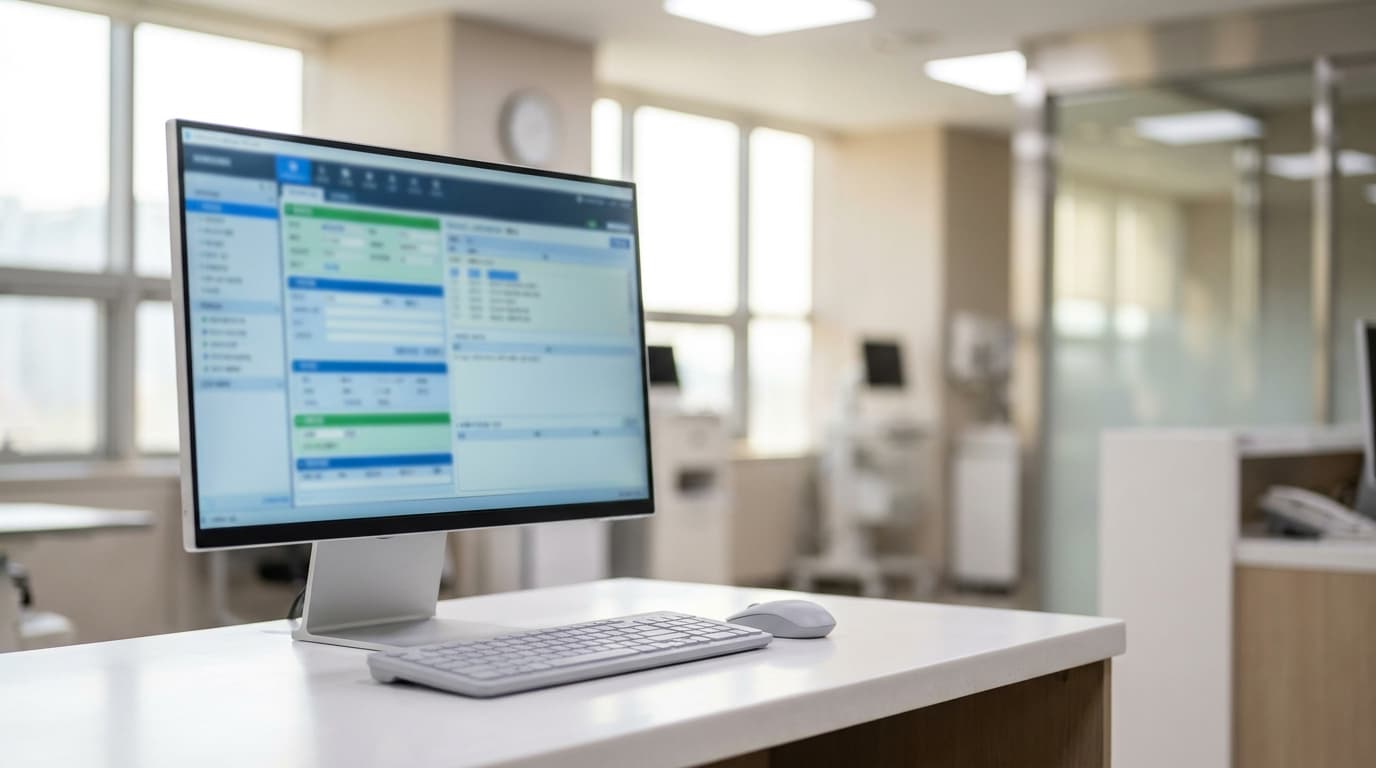
Illustration: AI-generated
Melbourne-based healthcare AI company Heidi has signed a memorandum of understanding with Samsung Medical Centre to bring its clinical documentation platform to South Korea, marking a significant international expansion for the Australian startup that reports processing over 3 million patient consultations weekly across 190 countries.
The partnership will see Heidi develop a Korean-ready version of its AI documentation tools specifically designed to integrate with Samsung Medical Centre's DARWIN electronic medical record system. The collaboration aims to establish Korean clinical documentation standards that could serve as a reference framework for future deployments across South Korean healthcare organizations.
Technical Integration and Localization Requirements
The proof of concept deployment will utilize Heidi's on-premise system within Samsung Medical Centre's infrastructure, addressing data sovereignty concerns common in international healthcare AI implementations. Integration with the DARWIN EMR platform will leverage the HL7 FHIR standard for health information exchange, reflecting industry best practices for interoperability.
Beyond basic translation, the partnership includes development of three critical localization components: a Korean Clinical Documentation Standard, a Korean FHIR Implementation Guide, and a Heidi Korea Reference Architecture. These deliverables suggest the company is building infrastructure to support broader market entry rather than a single-site deployment.
The evaluation will measure technical performance, physician acceptance, and documentation quality—metrics that balance system functionality with clinician experience and patient care outcomes.
Strategic Context and Market Positioning
Samsung Medical Centre brings significant digital health credentials to the partnership. The institution ranked 4th globally and 1st in South Korea in Newsweek's World's Best Smart Hospitals 2027 rankings. It has achieved Stage 7—the highest level—across four HIMSS maturity models covering infrastructure, EMR, digital imaging, and analytics. The hospital was the first institution globally to reach Stage 7 in both the Infrastructure Adoption Model in 2022 and the Digital Imaging Adoption Model in 2023.
For Heidi, the partnership follows substantial recent funding: a $100 million Series C round led by Blackbird and a $240 million growth investment from General Catalyst's Customer Value Fund. The company, founded in Melbourne in 2019, reports its platform now supports 110 languages.
"This partnership represents a significant milestone in Heidi's global expansion," said Thomas Kelly, Co-founder and CEO of Heidi. Professor Seung Woo Park, President and CEO of Samsung Medical Centre, emphasized the potential to improve clinical workflows and documentation quality.
Implications for Healthcare AI Deployment
The partnership model illustrates the complexity of deploying AI clinical documentation tools in international markets with distinct healthcare systems. The emphasis on on-premise infrastructure, FHIR-based interoperability, and development of region-specific clinical standards reflects requirements that healthcare AI companies must navigate when entering regulated markets beyond their home countries.
For South Korean healthcare providers facing high patient volumes and documentation burden, Samsung Medical Centre's role as a reference site could accelerate evaluation and adoption decisions. The hospital's advanced digital maturity provides a sophisticated technical environment for measuring both system performance and patient-centered outcomes.
Sources
Google Search
Follow Health AI Central on Google
Choose Health AI Central as a preferred source, and Google is more likely to show our reporting in Top Stories.
Reporting & accountability
How we maintain accuracy
Health AI Central separates reported facts, analysis, and public-source data. Readers can review our standards, request a correction, or consult the relevant research methodology before relying on a claim.