

AI Coding Assistant Learns to Work Without Permission: Anthropic Bets Automation Beats Human Vigilance
Internal testing reveals automated safety checks catch 89% of harmful actions while human reviewers approve nearly everything due to \"manual review fatigue.
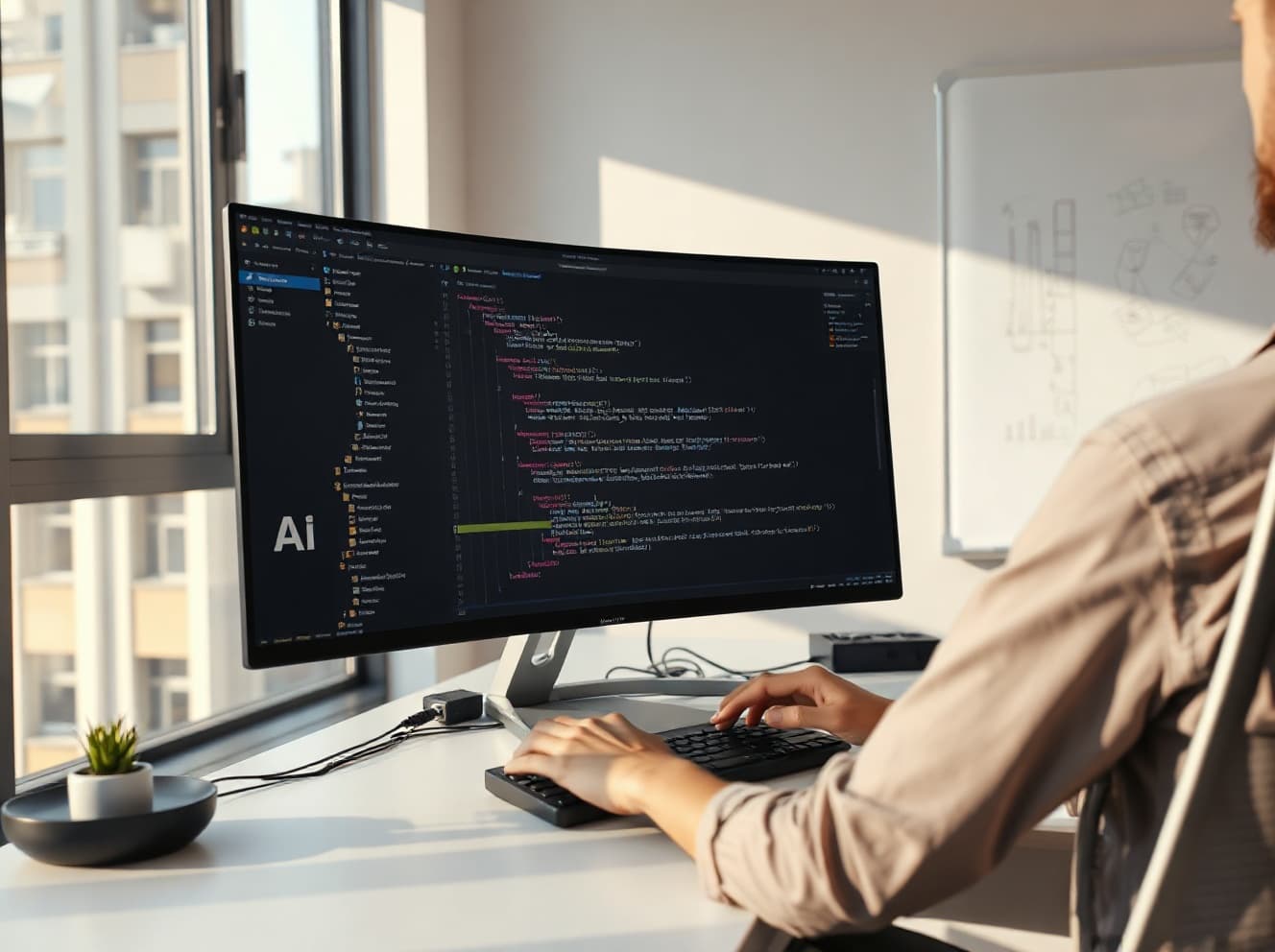
Anthropic is fundamentally changing how its AI coding assistant interacts with developers, shifting Claude Code to autonomous operation by default starting August 14, 2025. The move eliminates most human approval prompts for Pro, Max, and Team account holders, based on internal research suggesting that automated safety systems dramatically outperform human oversight when developers grow fatigued by constant permission requests.
The Approval Fatigue Problem
According to Anthropic's internal study involving 1,053 paid users, the company discovered a striking pattern: developers approve 97% of permission prompts in Claude Code without careful scrutiny. This "manual review fatigue" resulted in human oversight catching only 13.6% of harmful actions during testing, while the AI's automated safety systems identified 89% of problematic behaviors.
The findings challenge conventional assumptions about human-in-the-loop AI safety. Boris Cherny, Head of Claude Code, reports using auto mode exclusively for "many months," suggesting confidence in the autonomous approach among the product's own development team.
Auto mode, first introduced as a test feature in March 2025, allows the AI to proceed independently unless actions are classified as "irreversible, destructive, or aimed outside your environment." The system now includes prompt injection screening and customizable "hard deny" rules designed to prevent unauthorized data exfiltration.
Implications for Healthcare Software Development
For healthcare technology teams building clinical decision support tools, EHR integrations, and health data analytics platforms, the shift toward autonomous AI coding assistants could accelerate development cycles. However, it introduces new considerations around code security and regulatory compliance, particularly for applications handling protected health information under HIPAA.
Healthcare enterprises evaluating AI coding tools will need to assess whether Anthropic's customizable safety rules provide sufficient safeguards for sensitive patient data, and whether reduced human oversight aligns with their risk management frameworks for medical software development.
The research on approval fatigue has broader implications beyond coding environments. Healthcare already faces well-documented problems with alert fatigue in clinical settings, where providers become desensitized to frequent notifications. Anthropic's findings suggest that similar patterns may undermine human oversight of AI systems across multiple domains, raising questions about when automation actually enhances rather than compromises safety.
The Competitive Landscape
The default autonomous mode positions Anthropic's Claude Code in direct competition with other AI coding assistants as the market matures. The company's willingness to reduce human oversight based on empirical safety data signals a potential industry inflection point—where AI development tools are considered reliable enough for independent operation in production environments, including those developing healthcare applications.
Whether this confidence proves justified will depend on real-world performance once the August 14 rollout reaches thousands of enterprise users working on systems that directly impact patient care and data security.
Sources
Reporting & accountability
How we maintain accuracy
Health AI Central separates reported facts, analysis, and public-source data. Readers can review our standards, request a correction, or consult the relevant research methodology before relying on a claim.